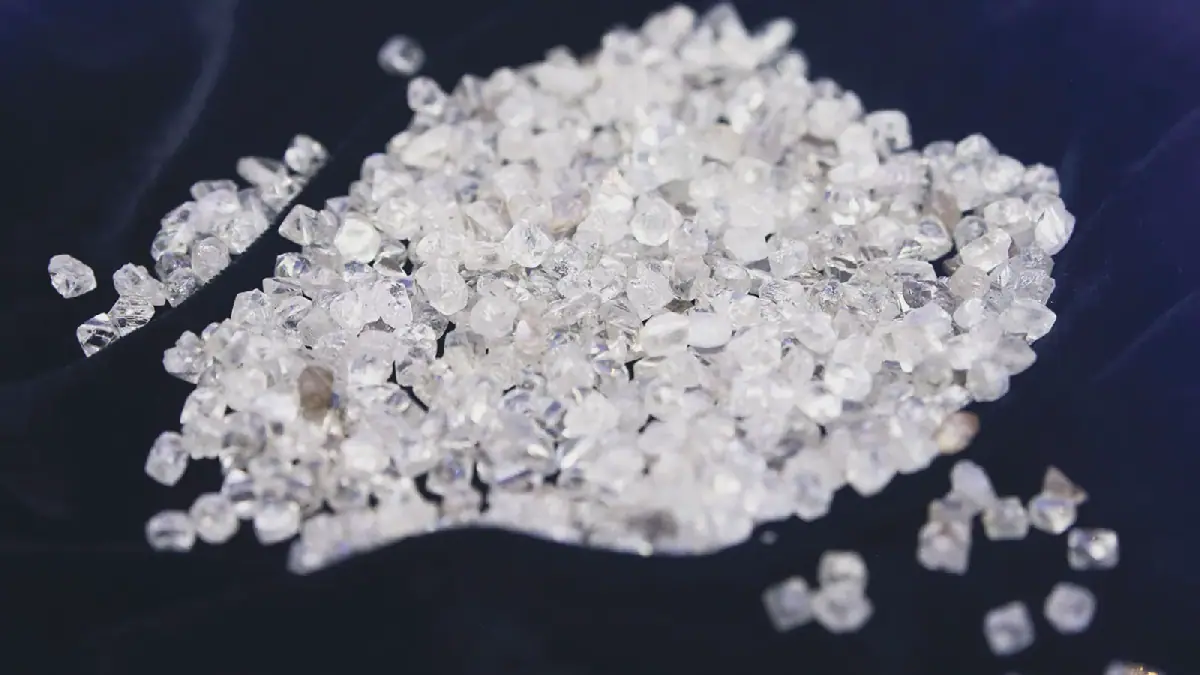
Botswana's state-owned Okavango Diamond Company has returned to profitability, driven by a significant increase in diamond sales and renewed buyer interest. Since January 2026, the company has sold 8.11 million carats, generating $645.2 million in revenue. This marks a substantial improvement over the same period last year, with sales volume more than doubling. The rebound is a rare positive development for an industry facing weak demand, excess supply, and growing competition from laboratory-grown diamonds.
The company's improved sales and buyer participation over the past few months have lifted it back into profit after a challenging period. ODC chairman Yoram Dvash noted that the latest revenue figure compares favorably with the $457 million recorded for all of 2025. Spot auctions contributed $147.2 million in revenue and approximately 1.85 million carats sold, providing ODC with a flexible route to customers alongside its regular sales arrangements.
As a key player in the diamond industry, ODC markets 30% of the rough diamonds produced by Debswana, a joint venture owned equally by the Botswana government and De Beers. The company's recovery is welcome news for Botswana's economy, which relies heavily on diamonds for public revenue and foreign exchange. The government is seeking a greater say in the diamond trade, with plans to double its shareholding in De Beers to 30% as part of a proposed transaction involving Anglo American's sale of its stake.
The surge in buying may signal a lasting improvement in demand, but it could also reflect customers returning after a period of caution. Selling more carats will not necessarily mean stronger profits if rough diamond prices stay low or costs rise. The planned increase in Botswana's De Beers stake requires careful consideration, as greater ownership could bring more influence over marketing and strategy but also expose the country to more commercial risk.
Clear transaction terms and rigorous financial scrutiny will be essential for Botswana's increased stake in De Beers. For now, ODC's results provide a boost to the economy, but the country must use this momentum to strengthen local diamond processing, build other export industries, and reduce its dependence on rough stones. Without this effort, a profitable year may prove to be a temporary reprieve rather than a lasting turnaround.
ODC's improved performance is a positive development for Botswana, but the country's task now is to capitalize on this momentum. Strengthening local diamond processing and diversifying its economy will be crucial in reducing its reliance on diamonds. This will require careful planning and execution, but the potential rewards are significant.
The diamond industry is facing significant challenges, including weak demand, excess supply, and growing competition from laboratory-grown diamonds. ODC's recovery offers a glimmer of hope, but the company and the Botswana government must navigate these challenges carefully to ensure a sustainable and profitable future. Key to this will be careful management of the company's finances and a focus on long-term sustainability.
Key points
- ODC has generated $645.2 million in revenue since January 2026, selling 8.11 million carats.
- The company markets 30% of the rough diamonds produced by Debswana, a joint venture with De Beers.
- Botswana plans to double its shareholding in De Beers to 30% as part of a proposed transaction involving Anglo American's sale of its stake.
Reporting sources
- ODC returns to profit as diamond sales rebound · weekendpost.co.bw