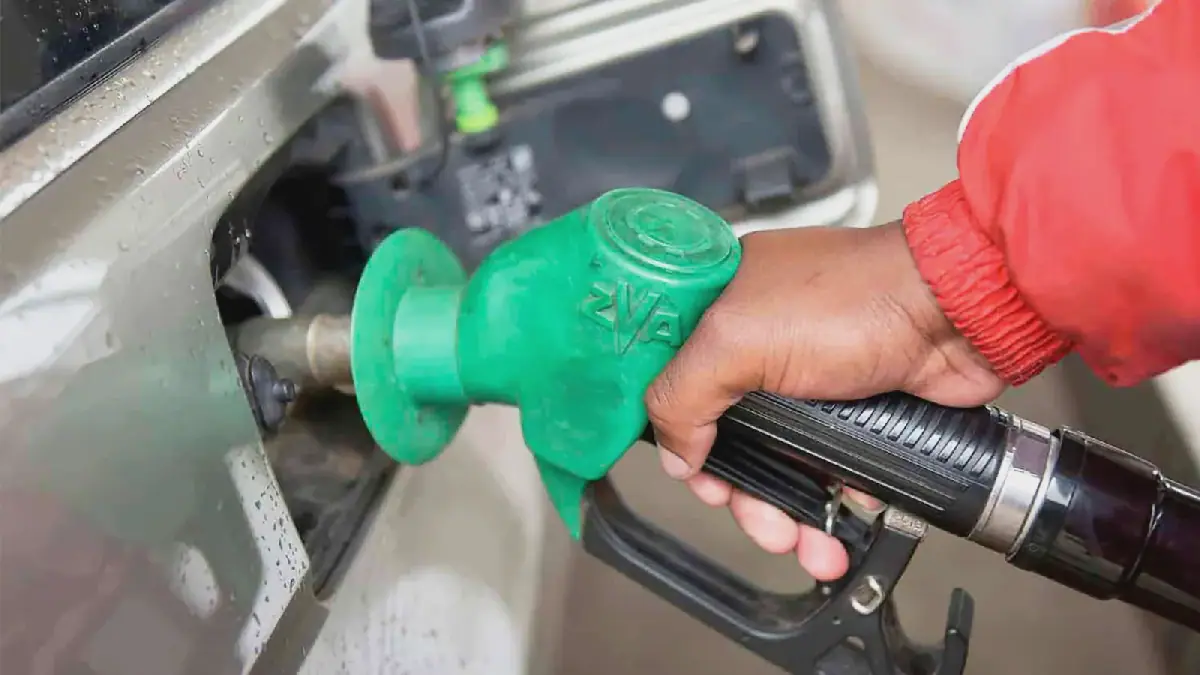
The Botswana Energy Regulatory Authority (BERA) has announced that retail prices for Unleaded Petrol 95 and Diesel 50ppm will increase on October 23. Petrol will rise by 154 thebe per litre, while diesel will increase by 283 thebe per litre. The new price for Unleaded Petrol 95 will be 1,975 thebe per litre, or P19.75, and Diesel 50ppm will cost 2,376 thebe per litre, or P23.76. This change will affect households, transport operators, and businesses.
The price increase is attributed to the rising cost of moving fuel across a conflict-ridden global market. Oil prices have climbed sharply due to renewed attacks in and around the Middle East, raising fears of crude supplies and refined fuel shipments disruptions. Brent crude rose above $112 a barrel, its highest level since May, while West Texas Intermediate briefly moved above $100. These global events have a direct impact on Botswana's fuel prices.
Botswana imports refined petroleum products, and the cost of these products is shaped by international benchmark prices, freight, insurance, exchange rates, and delivery expenses. The country is considered a price taker, meaning domestic consumers cannot insulate themselves entirely from movements in overseas markets. The International Energy Agency reported that freight and crude costs have risen sharply, and global diesel markets remain under significant strain due to supply disruptions and low inventories.
The increase in fuel prices will have far-reaching effects beyond motorists filling private cars. Companies that move goods by road are likely to face higher operating costs, which can filter through supply chains into food, building materials, and other everyday goods. Diesel is used by trucks, buses, farms, mines, construction companies, and backup generators, making its higher increase of 283 thebe per litre particularly impactful.
Botswana's regulated fuel prices are calculated through a pricing system that tracks the cost of bringing petroleum products into the country. The Basic Fuel Pricing methodology incorporates international product prices, transport costs, taxes, levies, industry costs, and dealer margins. This system can soften sudden shocks but cannot erase them. When the regulated price falls below the cost of importing and distributing fuel, an under-recovery accumulates.
The country has already experienced how quickly fuel prices can influence the broader economy. In July, a reduction in domestic fuel prices helped push Botswana's headline inflation lower. However, the central bank has warned that fuel pressures remain an upside risk to inflation, which was still above its medium-term target range in September. A sustained rise in fuel prices could complicate this progress.
For motorists, the calculation is immediate. A driver purchasing 50 litres of petrol will pay P77 more than before the adjustment, and a 50-litre diesel purchase will cost P141 more. The unchanged price of illuminating paraffin offers limited relief for households that rely on it, but families may still encounter higher transport fares and increased prices for goods delivered by road.
Key points
- The price increase is driven by heightened volatility in international oil markets and a substantial rise in refined petroleum product prices due to geopolitical tensions in the Middle East.
- The impact of the fuel price increase will extend beyond motorists to companies that move goods by road, potentially leading to higher operating costs and increased prices for everyday goods.
- The Botswana Energy Regulatory Authority's pricing mechanism and the National Petroleum Fund help cushion consumers from short-term fluctuations, but prolonged cost increases can make such protection difficult to sustain.