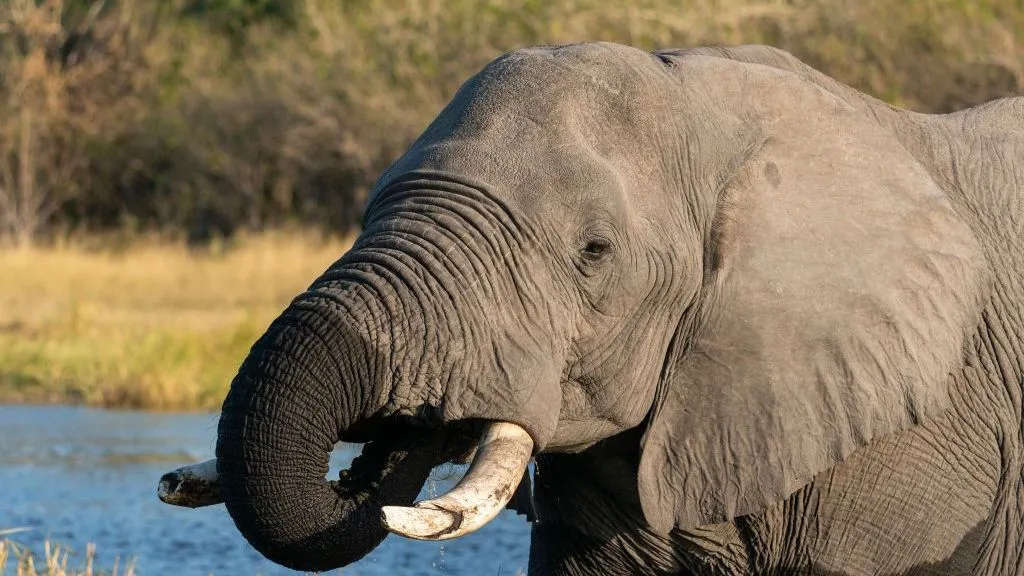
Animal rights activists have expressed concerns over Botswana's decision to allow the slaughter of 23 elephants for its independence celebrations. The southern African country, home to the world's largest elephant population, marked 60 years of independence from Britain on Wednesday. A licence issued by the Ministry of Environment and Tourism authorises the hunting of 23 elephants and other wild animals for "complimentary purposes".
The Botswana-based Elephant Protection Society has warned that the decision could undermine conservation efforts. Chairman Oaitse Nawa told the BBC that elephants need greater protection, and that slaughtering them for celebratory feasting could encourage poaching by creating the impression that killing elephants is acceptable when sanctioned by the government.
Nawa also highlighted the impact of human-wildlife conflict on elephant social structures. "Elephants have lost their social structures because they are always being pushed from one place to another by gunshots," he said. Several social media users in Botswana have expressed concerns about eating game meat amid an outbreak of foot-and-mouth disease, which has prompted authorities to impose measures to contain its spread.
Some community members have also questioned the allocation of elephant meat for the anniversary celebrations. Tshenatshe Monwela, an elder in Maun, a tourism town in north-western Botswana, told local media that his community should have received buffalo instead. He argued that elephants have particular cultural and ecological significance and that Botswana's historic role in protecting the country's wildlife and livestock should have been recognised in the government's allocation of meat.
Botswana's government has organised a series of events to mark the country's diamond jubilee, including a carnival in the capital, Gaborone, as well as cultural performances, concerts, and sporting events. The game meat is expected to be served as part of the traditional feasting associated with the Independence Day celebrations. The 23 elephants were allocated in eight districts across the country.
Local media have published images showing residents gathering around elephant carcasses, some with knives in hand and sharing the meat. In Chobe, a wildlife-rich district in northern Botswana, a local MP raised concerns after residents reportedly collected portions directly from a carcass at a school. He suggested that the meat should instead be processed into 5kg or 10kg packages to improve hygiene and ensure fairer distribution.
The MP, Simasiku Mapulanga, posted on Facebook that the system risked creating congestion and disadvantaging elderly people, pregnant women, and people with disabilities. He called on the hunter and relevant leadership to ensure that future distributions are properly organised. Elephant meat is common in some wildlife-rich communities, particularly when meat from legal sources is scarce.
Key points
- The Botswana government authorised the killing of 23 elephants for its 60th independence anniversary celebrations.
- Animal rights activists have expressed concerns that the decision could undermine conservation efforts and encourage poaching.
- Some community members have questioned the allocation of elephant meat, citing cultural and ecological significance, and concerns over hygiene and fair distribution.