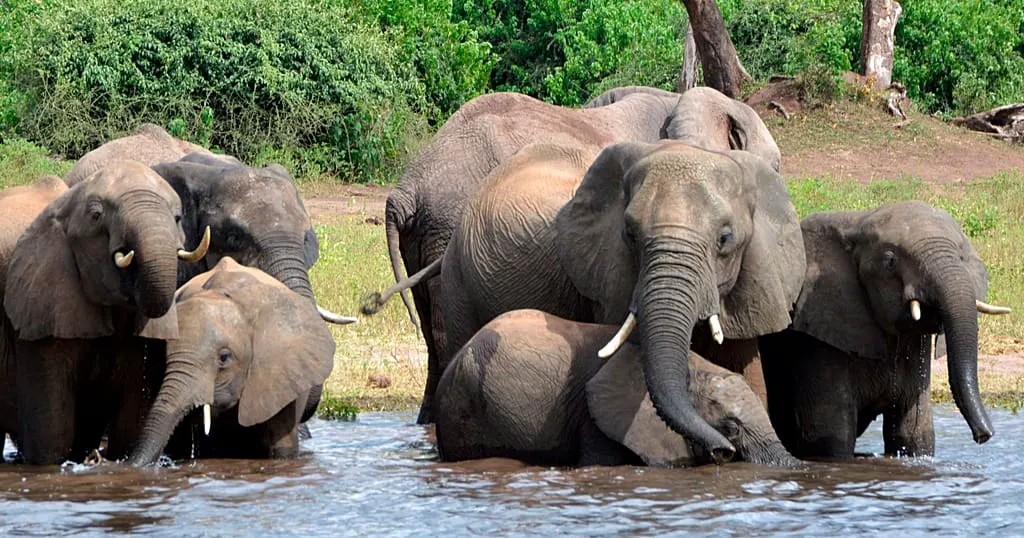
The government of Botswana has faced intense criticism for authorizing the killing of 23 elephants during its 60th Independence Day celebrations. On Wednesday, the southern African nation marked its six-decade milestone of independence from the United Kingdom with various festivities nationwide. As part of the celebrations, the Ministry of Environment and Tourism issued a license permitting the hunting of 23 elephants across eight districts to provide meat for feasting.
The decision has sparked outrage among animal rights activists, who argue that it could undermine conservation efforts and encourage poaching. The Elephant Protection Society told the BBC that the move could have far-reaching consequences for elephant populations in the country. The organization also warned that killing members of a herd could make other elephants aggressive, posing a risk to human communities.
Botswana is home to the world's largest elephant population, with approximately 130,000 animals. Authorities have often argued in favor of regulated hunting as a means of managing numbers. However, the timing of the decision, coinciding with an outbreak of foot-and-mouth disease in the country, has raised concerns about the potential spread of illness.
Social media users have also expressed concern about the potential consequences of the elephant killings. Several users questioned the government's decision, citing the importance of conservation and the potential risks associated with killing members of a herd. The backlash has highlighted the challenges faced by governments in balancing conservation efforts with the needs of local communities.
The government has not confirmed how many elephants were effectively killed during the celebrations. However, the issuance of licenses for the hunting of 23 elephants has sparked a heated debate about the country's conservation policies. The Elephant Protection Society has urged the government to reconsider its decision and prioritize conservation efforts.
Botswana's conservation policies have been a subject of debate in recent years. While the government has argued that regulated hunting is necessary to manage elephant populations, animal rights activists have raised concerns about the potential consequences of such practices. The country's experience with conservation has been shaped by its history and geography.
The controversy surrounding the elephant killings has highlighted the need for a nuanced approach to conservation in Botswana. With the country's elephant population facing various threats, including poaching and habitat loss, the government faces a challenge in balancing conservation efforts with the needs of local communities. The incident has sparked a renewed debate about the country's conservation policies and the need for sustainable solutions.
Key points
- The Botswana government issued a license authorizing the hunting of 23 elephants during its 60th Independence Day celebrations, sparking criticism from animal rights activists.
- The decision has raised concerns about the potential consequences for conservation efforts and the spread of illness, given the ongoing outbreak of foot-and-mouth disease in the country.
- Botswana is home to the world's largest elephant population, with approximately 130,000 animals, and the government has argued that regulated hunting is necessary to manage numbers.