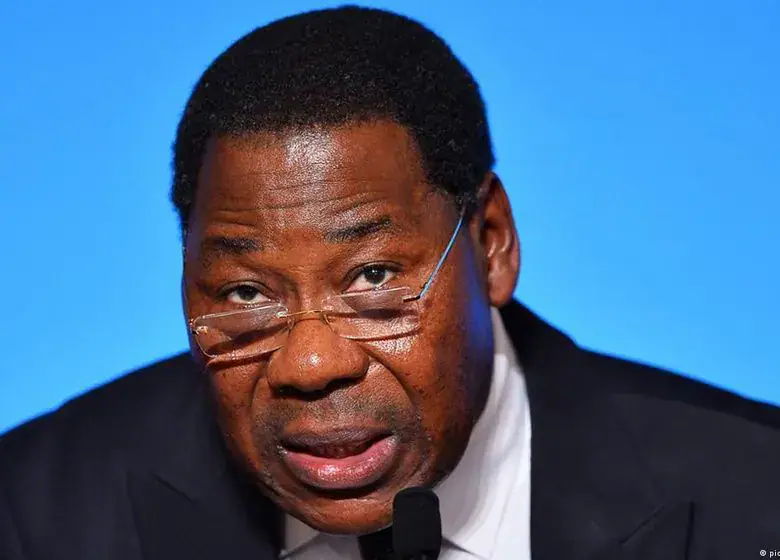
Former Benin President Thomas Boni Yayi has congratulated José María Neves on his re-election as President of Cape Verde. In a Facebook message on November 17, 2026, Yayi praised Cape Verde's democratic tradition, saying it honors Africa. He described Neves as his "brother and friend" and commended him for a "brilliant re-election" after a "transparent and inclusive" presidential election. Yayi's message highlights Cape Verde's democratic model, which stands out in West Africa where political crises and institutional disruptions are common.
José María Neves won a second term with 63.8% of the votes, according to provisional results. He was first elected in 2021 and previously served as Prime Minister from 2001 to 2016. Neves' main opponent, Joana Rosa Amado, received 31.4% of the votes. Amado, the first woman to run for the presidency in Cape Verde, conceded defeat on Sunday evening. The election was marked by a high abstention rate of 68%, which Neves has pledged to address by modernizing the electoral system and promoting greater citizen participation.
In his post-election statement, President Neves reaffirmed his commitment to promoting freedoms, democracy, and the rule of law. He also aims to foster inclusive growth, improve family incomes, reduce social inequalities, and combat poverty. Neves' re-election is seen as a continuation of his efforts to maintain Cape Verde's stability and democratic traditions. The country has a reputation for being a stable and democratic nation in West Africa.
Boni Yayi's congratulatory message also underscores the significance of Cape Verde's democratic model. The former Benin President's comments highlight the country's ability to hold transparent and inclusive elections, which is not always the case in other West African nations. Yayi's praise for Neves and Cape Verde's democracy serves as a testament to the country's commitment to democratic values.
The high abstention rate in the election has raised concerns about citizen engagement in the democratic process. President Neves has acknowledged this issue and pledged to address it by modernizing the electoral system and promoting greater citizen participation. This move is expected to help increase voter turnout in future elections and strengthen Cape Verde's democracy.
José María Neves' re-election has been well-received by the international community, with several leaders congratulating him on his victory. The President's commitment to promoting democracy, freedoms, and inclusive growth is seen as a positive development for Cape Verde and the wider West African region. Neves' second term is expected to build on his previous efforts to maintain stability and promote economic growth in the country.
The re-election of José María Neves has also sparked discussions about the future of democracy in West Africa. Cape Verde's democratic model is often cited as an example of stability and good governance in the region. The country's ability to hold free and fair elections, as well as its commitment to democratic values, serves as a model for other nations in the region.
Key points
- Former Benin President Thomas Boni Yayi praises Cape Verde's democracy after José María Neves' re-election.