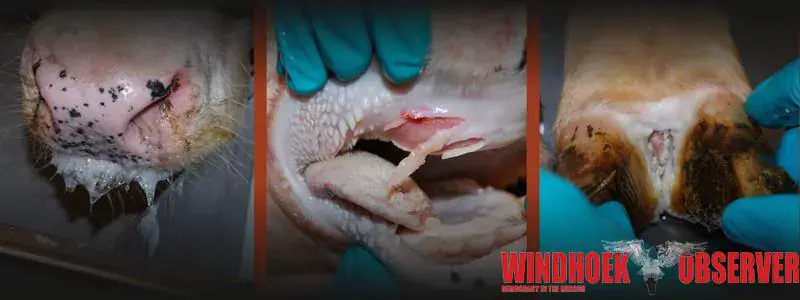
The Bank of Namibia has instructed commercial banks to offer loan repayment moratoriums of up to 24 months to farmers and businesses impacted by the Foot-and-Mouth Disease outbreak and anticipated El Niño-induced climatic conditions. This directive, issued under Determination BID-2, aims to provide relief to those facing financial distress due to these challenges.
The decision follows discussions between the agricultural and banking sectors, which highlighted the struggles of financially strained farmers and businesses. The Bank of Namibia requires banks to assess the financial circumstances, income losses, and repayment capacity of affected borrowers before granting relief. This approach seeks to ensure that support is provided to those who need it most.
Under the new guidelines, banks can offer repayment holidays ranging from one to 24 months and restructure existing loans to make repayments more manageable. This will help borrowers improve their ability to repay their debt. However, interest will continue to accrue at the contractual interest rate during loan restructuring, unless otherwise agreed upon in writing by the bank and borrower.
Eligibility for this relief extends beyond farmers directly affected by the Foot-and-Mouth Disease or adverse weather conditions to businesses operating within the agricultural value chain. Companies whose income, operations, or cash flows depend significantly on agricultural activity can also apply for assistance. To qualify, borrowers must demonstrate that their income has been adversely affected by the disease outbreak or climatic conditions.
The Bank of Namibia has also introduced measures to protect borrowers' credit ratings during this period. Banks are required to report clients granted relief under the determination as performing rather than non-performing for its duration. However, this protection is subject to existing requirements under BID-2 where there is a material deterioration in a borrower’s credit quality.
Banks must provide written reasons when an application for relief is declined. Borrowers dissatisfied with the handling of their applications may lodge complaints through their banks’ internal complaints processes or other applicable dispute resolution mechanisms. This ensures transparency and accountability in the relief application process.
The central bank's intervention aims to support the agricultural sector's viability, protect livelihoods, and limit risks to financial system stability. Agriculture is a significant contributor to employment, food security, and economic growth in Namibia. The Foot-and-Mouth Disease outbreak and adverse climatic conditions pose considerable risks to farmers and businesses across the agricultural value chain.
Key points
- The Bank of Namibia has directed commercial banks to grant up to 24-month loan repayment moratoriums to farmers and businesses affected by the Foot-and-Mouth Disease outbreak and anticipated El Niño-induced climatic conditions.
- Eligibility for relief extends to businesses operating within the agricultural value chain, not just farmers directly affected by the disease or weather conditions.
- The intervention aims to provide regulatory flexibility to banks to support the continued viability of the agricultural sector and protect livelihoods.