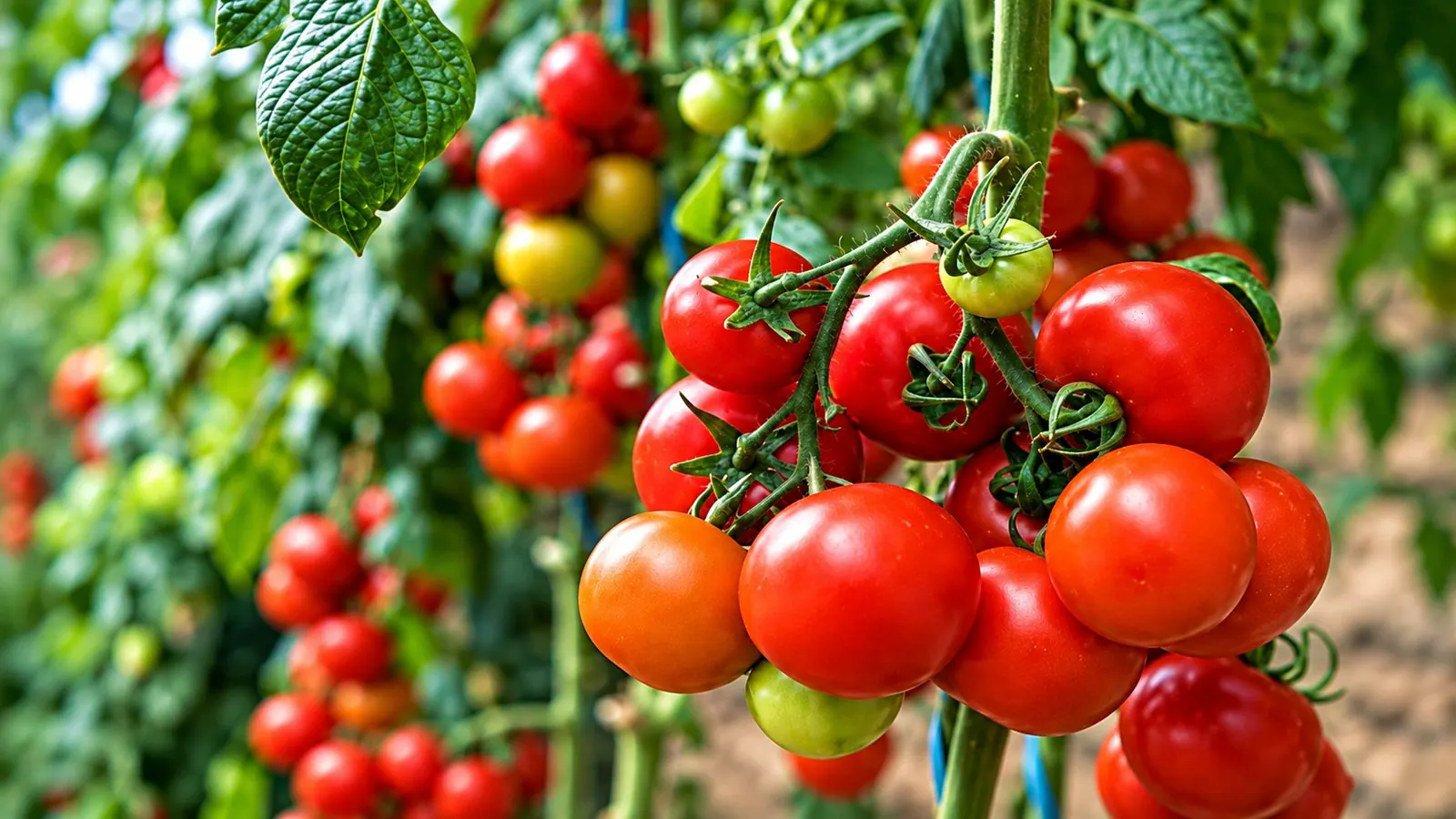
For nearly two decades, Amidu Salifu Azeko has been planting tomatoes and peppers on his two-acre plot at Bolgatanga-Nyariga in the Upper East Region. His dry-season routine of nursery, transplant, and harvest has been the same, but it now hinges on a factor outside his control: the Vea Irrigation Dam's water supply. The dam is his main source of water, and its ongoing rehabilitation and construction work has disrupted access to water, cutting into production during a critical season for tomato growth.
Azeko is not alone in facing this challenge. Desmond Akubire, a farmer from Zaare, also in the Upper East Region, has grown tomatoes for about 25 years and relies on the Vea Dam for water using a machine due to broken canals. He believes that incorporating technology into production could increase output, alongside financial support and improved seeds. However, diseases have steadily reduced his yields over the years. Iddrisu Akolgo of Nyariga receives weather forecasts and begins harvesting roughly three months after planting, but disease remains a persistent challenge for him as well.
The experiences of these farmers point to a larger national issue: Ghana has the potential for tomato cultivation but still relies on imported tomatoes and tomato paste to meet demand. With over 400,000 hectares suitable for tomato cultivation, average yields remain between seven and 10 tonnes per hectare, far below what improved practices could achieve. Researchers at the Council for Scientific and Industrial Research (CSIR) attribute this to various factors, including limited use of irrigation infrastructure. Only about 9,000 hectares of the 15,000 hectares covered by Ghana's 22 public irrigation schemes are currently in use.
The gap between potential and actual production affects tomato prices in local markets, causing volatility due to supply fluctuations. This can swing from scarcity to gluts within the same season, depending on the region harvesting and whether water, disease, or storage problems have occurred elsewhere. The situation highlights the need for sustainable solutions to support farmers and increase production.
The Ghana Tomato Self-Sufficiency Initiative (GHATSI) is a government program aimed at building a year-round tomato value chain linking farmers to irrigation, inputs, finance, insurance, processing, logistics, and guaranteed buyers. The program's first-phase target is 100,000 tonnes. However, the sources do not provide a specific completion date for the Vea Dam rehabilitation or when disrupted water access for farmers like Azeko will be restored.
The Vea Irrigation Dam is a significant water source in the Upper East Region, supplying water to dry-season vegetable farms, including tomato and pepper plots around Bolgatanga and Zaare. The Council for Scientific and Industrial Research (CSIR) is Ghana's main public research body for agriculture and science, and its Crop Research Institute studies issues affecting farmers nationwide, such as seed quality, soil fertility, and crop varieties.
Researchers note that over 85 percent of tomato seed planted in Ghana is imported commercial hybrid seed, which can lead to dependency on imported food. The CSIR scientist describes this dependency as a challenge for Ghana's food security. The situation calls for innovative solutions to support local farmers and increase production to meet the country's demand for tomatoes.
Key points
- Ghana's tomato farming potential is hindered by limited access to water and irrigation infrastructure.
- The country's reliance on imported tomatoes and tomato paste is a significant challenge to food security.
- The Ghana Tomato Self-Sufficiency Initiative aims to increase production and reduce the gap between potential and actual output.