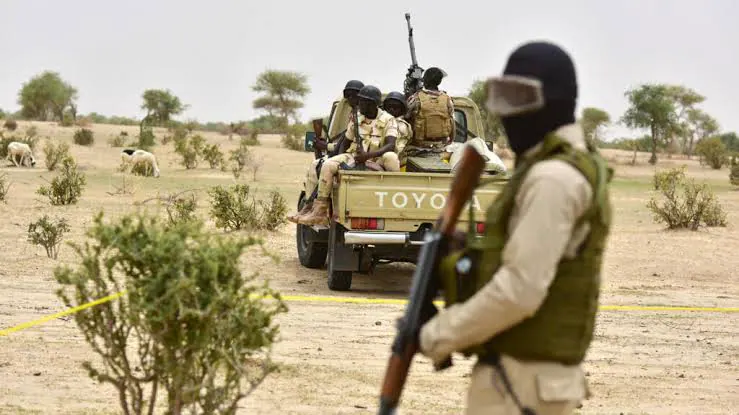
At least 28 villagers were killed in an attack by suspected Boko Haram militants in northeast Nigeria's Borno state last week. According to a local anti-jihadist militia leader, Babakura Kolo, 15 bodies were initially found and buried in the village of Marte on Thursday, while 13 more bodies were discovered over the weekend. The victims were reportedly shot and killed while collecting firewood in the surrounding bushes.
The attack occurred in the state of Borno, which has been the epicenter of a 17-year jihadist insurgency led by Boko Haram and its rival, the Islamic State in West Africa (ISWAP). The violence has resulted in thousands of deaths and displaced millions of people in the region. The militants have increasingly targeted farmers, fishermen, loggers, herders, and scrap metal collectors, accusing them of espionage and providing information to the military.
According to Mustapha Grema, a resident of Marte, the victims had ventured into the surrounding bushes to collect firewood, a vital resource for many displaced families who rely on it for cooking and other basic needs. The area has seen similar attacks in recent months, including the killing of 17 people collecting firewood in Gwoza in April and six loggers in Malam Maja.
The Nigerian government has claimed successes against various armed groups, including the killing of a senior Islamic State leader earlier this year with US military support. However, researchers argue that the violence is escalating, and the security situation remains a major concern. The attack in Borno state highlights the ongoing security challenges in the region.
The incident is likely to be a major issue in the upcoming presidential election in January, with security and the economy being key priorities for the incumbent president, Bola Tinubu, who is seeking a second term. The election will take place against the backdrop of ongoing violence and insecurity in various parts of the country.
Boko Haram and ISWAP have been responsible for numerous attacks on civilians and military personnel in Nigeria and neighboring countries. The groups' ideology is opposed to Western education and values, and they have carried out numerous attacks on schools, universities, and other targets in the region.
The Nigerian military has been working to combat the insurgency, with support from international partners. However, the security situation remains a major challenge, and the government faces pressure to address the root causes of the violence and provide adequate protection for civilians.
Key points
- At least 28 villagers were killed in the attack by suspected Boko Haram militants in northeast Nigeria's Borno state.
- The attack highlights the ongoing security challenges in the region, with Boko Haram and ISWAP continuing to target civilians.
- The incident is likely to be a major issue in the upcoming presidential election in January.