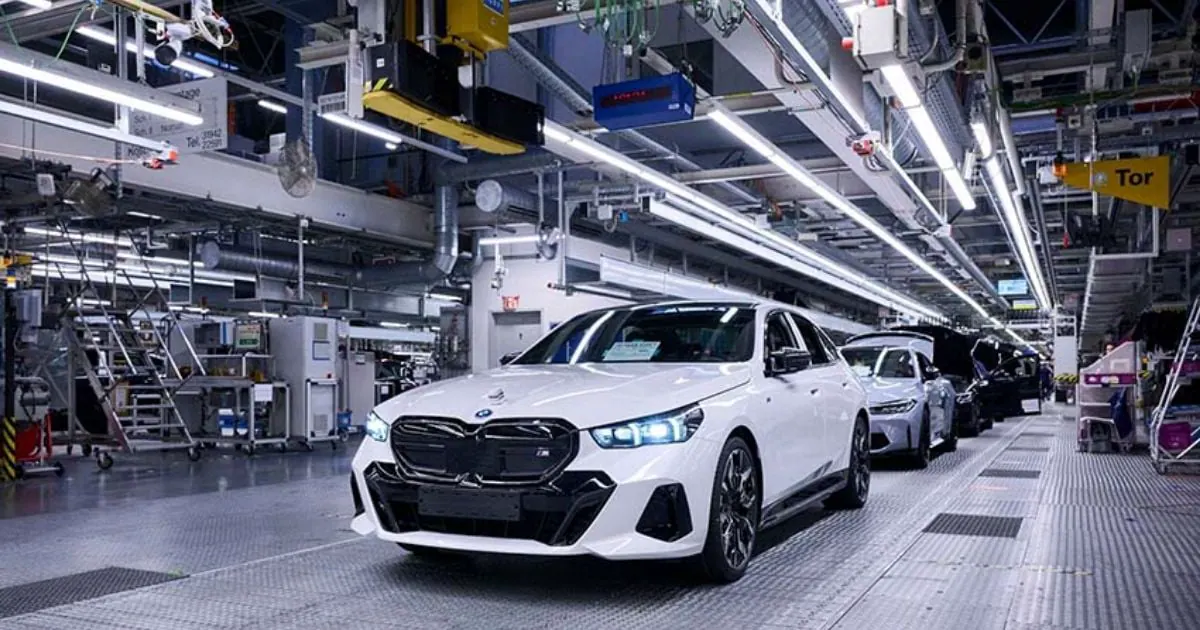
The German automaker BMW is reportedly planning to re-enter the Algerian market, with a potential new factory in the works. According to a report by Africa Intelligence, BMW is studying the project of a new factory in Algeria, alongside preparations for the resumption of its sales. This development could see the brand move beyond commercial distribution and establish a local production base. However, no definitive investment decision has been made yet.
The potential factory project is part of a new regulatory framework in Algeria, which requires automakers to achieve a minimum local integration rate of 10% within two years, 20% within three years, and 30% within five years. The regulations also mandate the integration of stamping, welding, and painting operations, as well as the production of electric vehicles. This new framework marks a significant shift away from exclusive vehicle imports.
BMW's potential return to the Algerian market is also driven by the country's growing automotive industry. The Fiat factory in Tafraoui, for example, has seen significant growth, with production increasing from 17,000 vehicles in 2024 to 53,000 in 2025. The Stellantis group aims to further expand production to 135,000 units by 2028. BMW's re-entry into the market would see it operate within this new regulatory framework, which prioritizes local production and integration.
Globally, BMW has reported a 0.5% increase in vehicle deliveries in 2025, with 2.464 million vehicles sold. Electric and hybrid models accounted for 26% of global sales, with 18% of those being fully electric. The company has experience with local production partnerships, including in Egypt, and is likely to leverage this expertise in its potential Algerian factory.
While BMW's plans for a new factory in Algeria are still in the evaluation phase, the company is actively preparing for its commercial comeback. The next steps will be crucial, including the appointment of an authorized representative, submission of the project dossier, and obtaining prior authorization. The final decision on the factory project will depend on various factors, including site selection, partnership, models, and production capacity.
The Algerian government has introduced a new regulatory framework to encourage local production and integration in the automotive sector. The decree executive 22-384 of November 2022, modified in May 2024, sets out specific requirements for automakers, including local content targets and production obligations. This framework aims to reduce reliance on vehicle imports and promote domestic manufacturing.
The potential return of BMW to the Algerian market is seen as a significant development, with the company poised to play a major role in the country's growing automotive industry. With its experience in local production partnerships and commitment to electric and hybrid models, BMW is well-positioned to capitalize on Algeria's new regulatory framework and growing demand for vehicles.
Key points
- BMW is planning to re-enter the Algerian market with a potential new factory, marking a significant shift from mere commercial distribution to local production.
- The new factory project is part of a new regulatory framework in Algeria, which requires automakers to achieve minimum local integration rates and produce electric vehicles.
- BMW's potential return to the Algerian market is driven by the country's growing automotive industry and its own experience with local production partnerships.