The Blue Nile civil society initiative has issued a distress call, citing the dire humanitarian situation in the region, particularly in Qaysan, where thousands of civilians are facing severe shortages of food, water, shelter, and healthcare. According to Ali Hajo, Secretary-General of the initiative, despite their repeated appeals, there has been no significant response from international humanitarian organizations. The situation has been exacerbated by the spread of diseases and epidemics, which are worsening with the onset of rains.
The initiative reports that over 43,000 civilians, mostly women, children, and the elderly, have been displaced, with many living in harsh conditions without access to basic necessities. Hajo expressed his disappointment and concern, stating that the situation is catastrophic and requires immediate attention. The initiative had previously issued a statement two weeks ago, but so far, there has been no substantial response from humanitarian organizations.
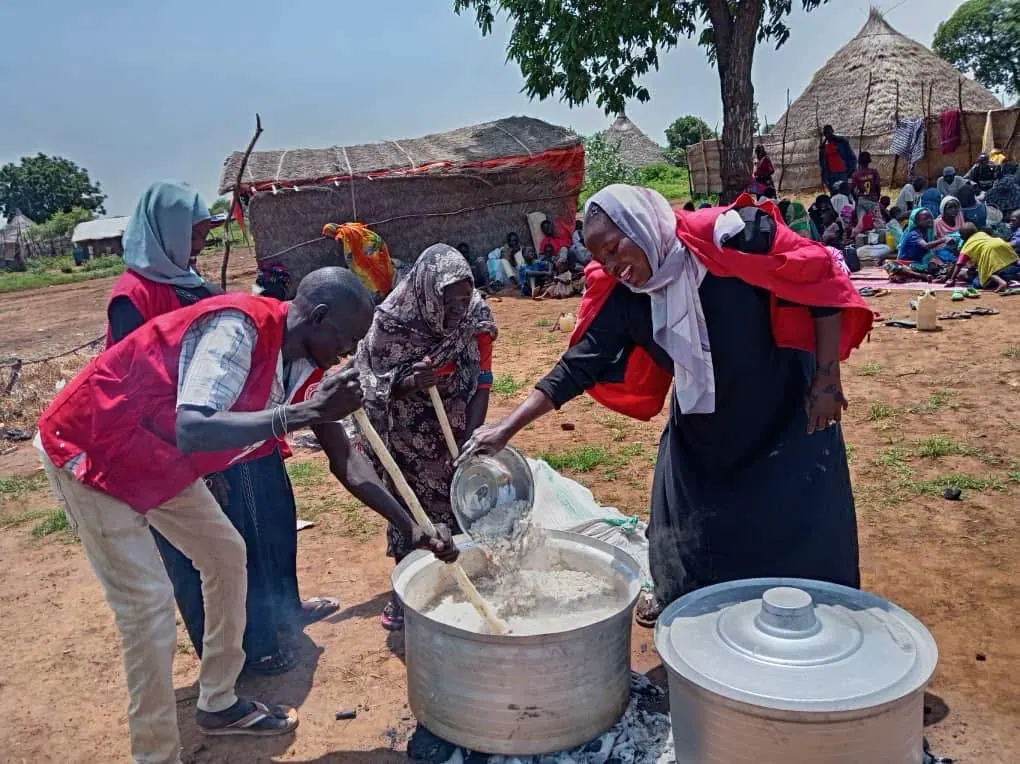
The Sudanese Red Crescent Society, Blue Nile branch, has been providing hot meals to displaced persons in camps in Wad Al-Mahi province, including in the village of Balqwa. However, the initiative stresses that this effort is insufficient to address the scale of the crisis. According to information gathered by the Popular Movement for the Liberation of Sudan, the number of displaced persons stands at approximately 42,271, comprising 3,803 families, including 24,266 children and 11,713 women.
The humanitarian situation in Qaysan is dire, with widespread shortages of food, clean water, and healthcare. The initiative warns of a looming humanitarian catastrophe, particularly with the continued displacement of civilians, including women, children, and the elderly. The situation is further complicated by the spread of diseases and epidemics, which are likely to worsen with the continued rains.
The Blue Nile civil society initiative has renewed its appeal to international humanitarian organizations, regional and international bodies, and donor agencies to intervene urgently to provide aid and alleviate the suffering of civilians. They emphasize the need for immediate action to provide food, water, shelter, and healthcare, as well as to ensure the protection of civilians, particularly women, children, and vulnerable groups.
The initiative has called on humanitarian agencies to conduct a thorough needs assessment to determine the scale of the crisis and prioritize response efforts. They also stress the importance of coordinating with local civil society organizations to monitor needs and track humanitarian responses. The initiative has expressed its willingness to collaborate with humanitarian agencies and donors to provide accurate information on the situation and facilitate effective response efforts.
The situation in Blue Nile remains critical, with thousands of civilians facing severe humanitarian challenges. The lack of response from international humanitarian organizations has exacerbated the crisis, and the initiative's distress call highlights the urgent need for action to prevent a catastrophic humanitarian disaster.
Key points
- The Blue Nile civil society initiative reports that over 43,000 civilians have been displaced due to the conflict.
- The initiative warns of a looming humanitarian catastrophe due to the spread of diseases and epidemics.
- The Sudanese Red Crescent Society has been providing hot meals to displaced persons in camps.