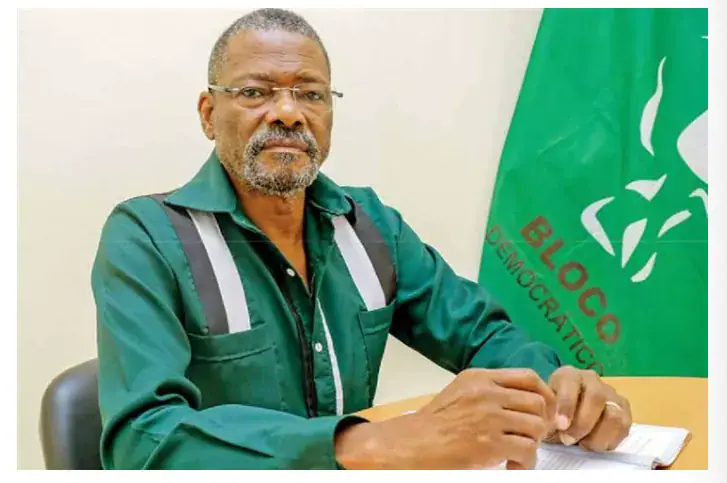
The Bloco Democrático (BD) has expressed concerns over Angola's proposed 2027 budget, valued at approximately 37.34 billion kwanzas. According to the party, the government's budgetary policy does not ensure improved living conditions for citizens or equitable distribution of public resources. The BD's Commission Política stated that the main issue lies not in the volume of available financial resources but in the quality of the government's choices, public expenditure efficiency, and ability to transform investments into concrete results for the population.
The BD questioned the government's economic growth projections of 5.5 percent, emphasizing the need to assess how this growth will contribute to job creation, wage increases, poverty reduction, and improved purchasing power for families. The party believes that economic growth must translate into social development and better living conditions for Angolans. Furthermore, the BD expressed concerns about the weight of public debt servicing on the budget, which reduces funding for essential sectors like healthcare, education, and social protection.
The party called for greater transparency in debt management and the presentation of results from public investments. Regarding economic diversification, the BD deemed it insufficient to define priorities without providing adequate financing for national producers. The party identified limited access to bank credit, alleged business discrimination, and direct adjustment as factors hindering productive activity development. Additionally, the BD criticized the fiscal policy applied to the banking sector, which favors financial institutions' results without significantly impacting the real economy.
The BD advocated for reinforcing agriculture, manufacturing, small and medium-sized enterprises, and access to productive credit to reduce dependence on imports and create sustainable jobs. In the social sector, the party insisted that allocated resources for education and healthcare should translate into constructing schools, equipping hospitals, hiring professionals, and improving public service quality. For the youth, the BD pushed for effective employment opportunities, vocational training, and entrepreneurship, criticizing programs with undemonstrated results.
The party also expressed concerns about territorial inequalities and advocated for a more balanced distribution of public investment across provinces and municipalities. Priorities include improving access to water, electricity, roads, healthcare, and education. The BD's position emphasizes that the proposed budget does not address the pressing needs of the population, particularly in rural areas. The party urged the government to reconsider its budgetary priorities to ensure a more equitable allocation of resources.
The Bloco Democrático's critique of the 2027 budget proposal highlights the need for a more nuanced approach to economic development and social welfare in Angola. The party's suggestions focus on promoting sustainable economic growth, reducing inequalities, and improving public services. As the government prepares to finalize the budget, it faces pressure to address the concerns raised by the opposition party and other stakeholders. The BD's stance reflects the concerns of various sectors of Angolan society.
The proposed 2027 budget has sparked debate among Angolan citizens, with many calling for a more transparent and inclusive budgeting process. The government's response to the BD's critique and other concerns will be crucial in shaping the country's economic and social trajectory. As Angola navigates its economic challenges, the Bloco Democrático's critique serves as a reminder of the need for effective resource allocation and a more equitable distribution of public resources.
Key points
- The Bloco Democrático criticizes Angola's 2027 budget proposal for failing to address pressing social needs and promote equitable resource allocation.
- The party advocates for greater transparency in debt management and public investment, as well as increased financing for national producers and productive sectors.
- The BD's critique highlights the need for a more nuanced approach to economic development and social welfare in Angola.