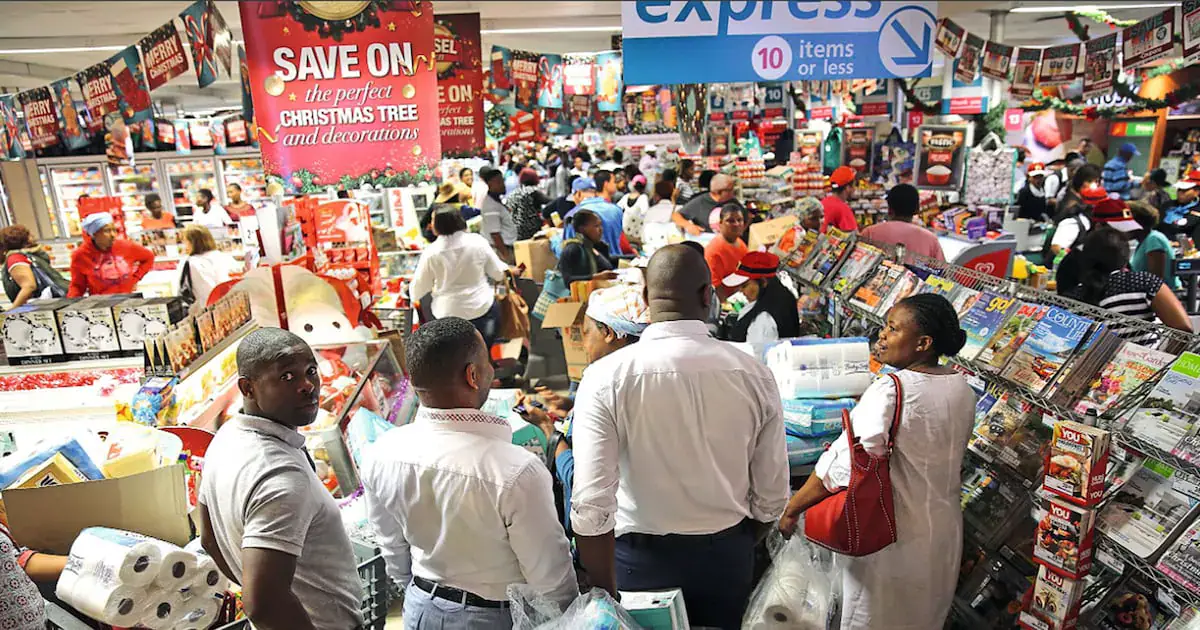
As Black Friday approaches, South Africans are being warned about the dangers of shopping their way into debt. The annual shopping event, set to take place on November 27, features deep discounts and special promotions from major retailers. However, experts caution that these bargains can be a financial trap for households already struggling to make ends meet.
A recent survey by JustMoney, an online personal finance platform, found that 69% of respondents shop based on special offers. The survey also revealed that 65% of respondents experience financial difficulties every month, up from 61% last year. Furthermore, 43% of respondents need to borrow money before month-end, and 83% cannot afford an unexpected R10,000 expense from their savings.
Sarah Nicholson, head of customer experience at JustMoney, emphasizes that consumers should not confuse spending less on an item with actually saving money. She warns that spending R1,000 on an item that wouldn't have been bought otherwise doesn't save R1,000, even if the advertised discount is attractive. Nicholson advises consumers to prioritize essential expenses, such as food, transport, and electricity, over tempting promotions.
The debt figures make the warning more urgent, with 51% of respondents spending more than 40% of their take-home pay on debt repayments, compared to 38% in 2025. A further 37% of respondents do not know the interest rate on their biggest loan. Nicholson cautions that store accounts, credit facilities, and buy-now-pay-later offers can make purchases appear affordable while adding to consumers' monthly financial commitments.
Consumers are also being warned about psychological tactics used to push them into buying. Countdown clocks, messages claiming that only a few items remain, and eye-catching discounts create a sense of urgency and pressure shoppers to make quick decisions they may later regret. The excitement of finding a bargain can make spending feel like saving, even when the purchase was never necessary.
Scammers are also exploiting the shopping season, with 47% of respondents having lost money to scams. Consumers are urged to check that online retailers are legitimate, avoid suspicious links, and never share their PINs or one-time passwords. Nicholson advises shoppers to set a strict budget, make a list of essential purchases, and compare prices across retailers before spending.
To avoid financial pitfalls, consumers should calculate the full cost of credit, including interest and fees, and check whether repayments can be managed alongside existing debit orders and debt. They should also check retailers' return policies and remember that buying goods on special does not remove their legal rights if products are defective. Under the Consumer Protection Act, consumers can generally return defective or unsafe goods within six months of delivery and request a repair, replacement, or refund.
Key points
- Consumers are warned to prioritize essential expenses over tempting promotions.
- 51% of respondents spend more than 40% of their take-home pay on debt repayments.
- Shoppers are advised to set a strict budget and compare prices across retailers before spending.