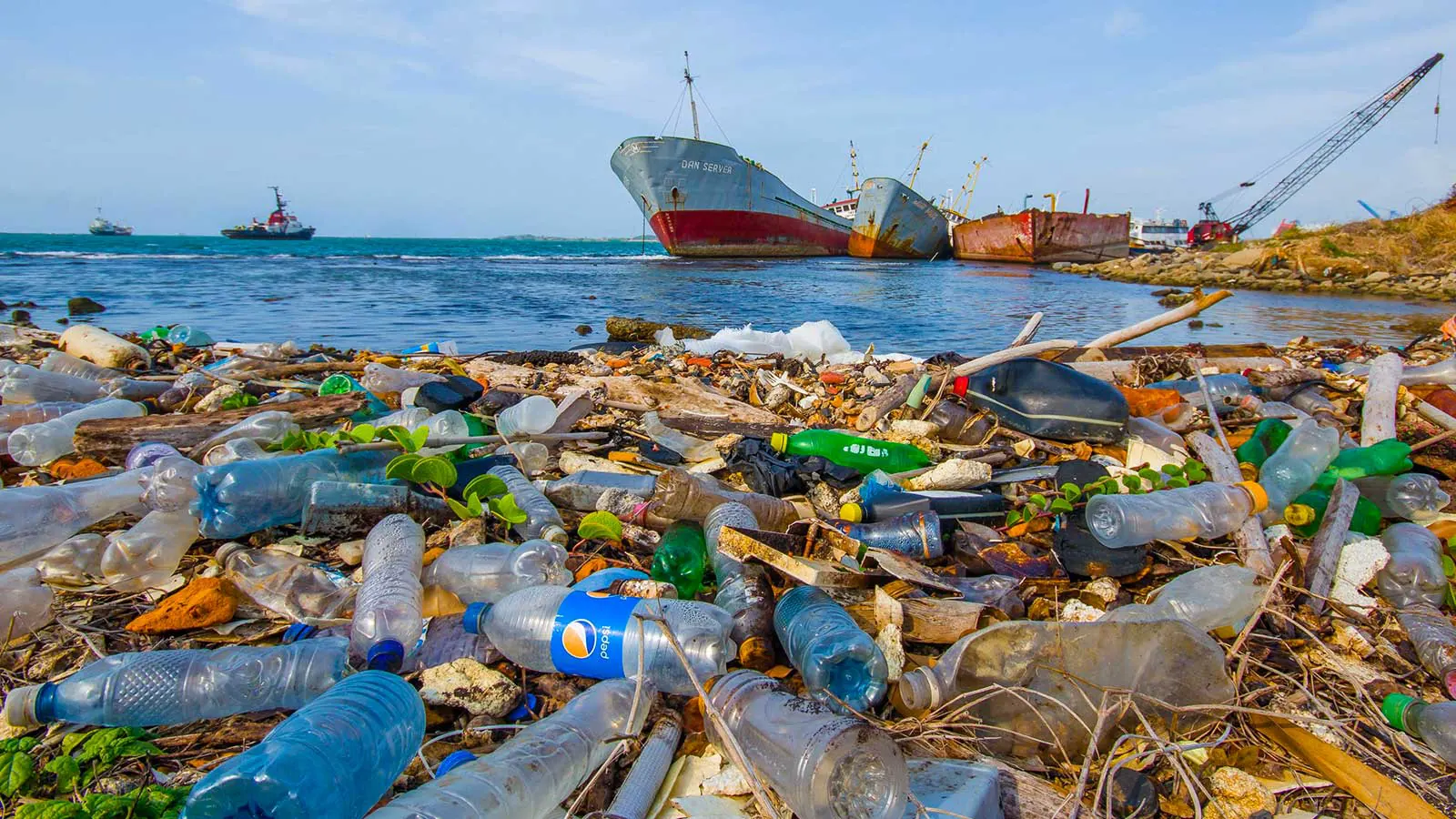
The 9th Global Sea Forum wrapped up on September 25, 2026, in the port city of Bizerte, Tunisia. The two-day event brought together experts and stakeholders to discuss the pressing issue of plastic pollution in the Mediterranean Sea. According to alarming statistics, the Mediterranean, which accounts for only 1% of the world's oceans, receives 7% of microplastics and approximately 230,000 tons of plastic waste annually.
The forum highlighted the crucial role of municipalities in addressing plastic pollution. Cities such as Bizerte, Mahdia, Kerkennah, Monastir, Djerba, and Greater Tunis participated in an interactive workshop on the SHARE4MED project, an decision-making tool for coastal cities. The creation of the Circe.Med association, a Mediterranean network dedicated to circular economy, was also announced. This development marked a significant step towards regional cooperation and knowledge sharing.
Discussions on the second day focused on the future international treaty against plastic pollution. Julio Cordano, a representative of the United Nations, presented the current state of negotiations. Experts from Algeria, Libya, and Egypt shared their research on the impacts of microplastics. Thematic sessions covered topics such as Tunisian hotspots, European Union policies on blue economy, and citizen initiatives. The PlasticMed Lab project was praised as an innovation laboratory aimed at reducing plastic dependence and promoting sustainable alternatives.
The forum's sessions emphasized the need for collective action to address plastic pollution. Participants stressed that reducing pollution at the source is more effective than aiming for total elimination, which was deemed unrealistic. The importance of adopting a regional approach to tackle the issue was also underscored. The presence of international personalities, including Olivier Poivre d'Arvor, special envoy for the oceans, and Nadia Hai, chargé d'affaires for Mediterranean matters in France, confirmed the event's regional significance.
The forum adopted a roadmap for 2027, aiming to strengthen regional cooperation and accelerate ecological transition. Key proposals include the creation of a "Plastic Credit Exchange," intended to finance green infrastructure and encourage responsible investments. This initiative seeks to provide financial incentives for sustainable practices and reduce plastic waste.
The event concluded with a call to action, urging governments, businesses, and citizens to work together to combat plastic pollution. The Global Sea Forum - Bizerte 2026 has positioned Tunisia as a major player in Mediterranean mobilization against plastic pollution. The forum's outcomes are expected to contribute to the development of effective strategies for reducing plastic waste and promoting sustainable practices in the region.
The 9th Global Sea Forum has demonstrated the commitment of regional stakeholders to addressing the pressing issue of plastic pollution in the Mediterranean Sea. By sharing knowledge, expertise, and best practices, participants have taken a significant step towards developing effective solutions to this environmental challenge. The roadmap for 2027 provides a framework for continued cooperation and progress.
Key points
- The Mediterranean Sea receives 7% of microplastics and approximately 230,000 tons of plastic waste annually.
- The forum adopted a roadmap for 2027, aiming to strengthen regional cooperation and accelerate ecological transition.
- The creation of the Circe.Med association marks a significant step towards regional cooperation and knowledge sharing on circular economy.