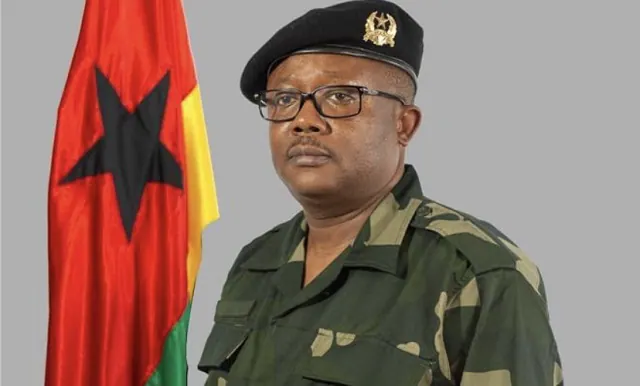
The military high command of Guinea-Bissau announced on October 1 that former President Umaro Sissoco Embalo would not be allowed to return to the country on October 4 as previously planned. The decision was made due to concerns over the current security situation and potential risks to public order. The military stated that it had evaluated the national situation and concluded that the necessary security conditions were not met for Embalo's safe return.
The military also reaffirmed its commitment to maintaining security measures adopted during the political transition. These measures include a strict ban on political demonstrations, gatherings, and meetings until further notice. The military warned that any acts of disobedience or non-compliance with the orders would be the sole responsibility of the perpetrators, subject to existing legal consequences.
The decision to block Embalo's return was justified as a preventive measure to preserve public order, ensure national security, and prevent any situation that could compromise the country's stability. The military appealed to the civic responsibility of the Guinean population and sought collaboration from the international community, diplomatic corps, civil society, and traditional authorities to maintain peace and public order.
Former President Umaro Sissoco Embalo reacted to the decision, reaffirming his intention to run in the presidential election scheduled for December. He called on his supporters to remain calm and avoid any actions that could lead to instability or clashes. Embalo emphasized the importance of preserving human life and urged his followers to continue their struggle through peaceful and democratic means.
Embalo, who was ousted in a military coup on November 26, 2025, currently lives in exile in Rabat, Morocco. Despite the setback, he expressed confidence in pursuing his political fight through peaceful channels. He also hoped that the judicial authorities would examine his candidacy with impartiality and independence, respecting the principles of justice.
The general elections in Guinea-Bissau are scheduled for December 6, according to the transition authorities' calendar. This election aims to mark the end of the military period and the return to constitutional order. Embalo's situation has sparked concerns about the country's transition and stability, with many stakeholders closely monitoring the developments.
The international community and local stakeholders are watching the situation closely, as the country's stability and democratic progress hang in the balance. The country's transition and upcoming elections will be crucial in determining its future trajectory. Key players, including Embalo and the military, will play a significant role in shaping the country's path forward.
Key points
- The military high command of Guinea-Bissau blocked the return of former President Umaro Sissoco Embalo, citing security concerns.
- Embalo, who was ousted in a military coup in 2025, plans to run in the presidential election scheduled for December.
- The general elections in Guinea-Bissau are set to take place on December 6, aiming to mark the end of the military period and the return to constitutional order.