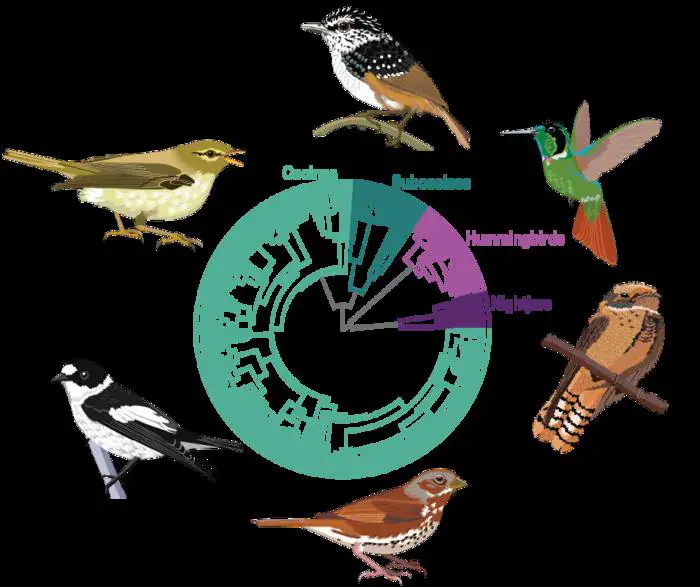
A recent study published in Science has discovered that birdsong shares surprising similarities with human speech and music. Researchers have long recognised that some songbirds produce sounds with patterns resembling human speech and music, but the reasons behind these similarities were unclear. The study, which analysed over 74,500 sound units from 367 bird species, found that speech-like and musical patterns are widespread among birds, including species that do not learn their vocalisations from others.
The research team, led by Logan James, a postdoctoral researcher at McGill University in Canada, assembled one of the largest datasets used for this type of comparison. The dataset included recordings from two groups capable of vocal learning - songbirds and hummingbirds - as well as two groups whose vocalisations do not depend on learning in the same way. The team compared these recordings with a global dataset of human speech and singing, containing over 15,000 sound units from 52 languages.
The researchers examined four main characteristics of the bird songs and human speech and music: pitch changes between consecutive sounds, rhythmic regularity, changes in sound duration, pitch and loudness, and whether these properties alternate between higher and lower values or remain stable. They found that birds frequently exhibit similar patterns to humans, including smaller pitch changes between consecutive sounds and relatively regular rhythms.
The study also found that sounds towards the ends of bird songs tended to last longer, resembling the lengthening of final sounds in human speech and musical phrases. These patterns appeared across different groups of birds, regardless of whether they learned their vocalisations. This finding challenges the assumption that vocal learning alone explains the similarities between birdsong and human communication.
However, the researchers emphasise that their findings do not mean birds speak or sing in the same way humans do. Rather, the study examined how sounds are organised through time, pitch and rhythm. Direct comparisons revealed clear similarities between birds and humans, alongside important differences. For example, pitch intervals were generally smaller in human singing, while the lengthening of sounds at the ends of phrases was typically more pronounced in human speech and singing.
The study also found that birdsong was generally more similar to human speech than to human singing in the way pitch and other sound properties changed over time. Hummingbird vocalisations were also more similar to human speech and singing than those of some songbirds, which have traditionally been considered among the most useful animal models for studying human vocal communication.
The researchers suggest that the widespread occurrence of these patterns may reflect shared physical constraints involved in producing complex sequences of sounds. Both humans and birds must coordinate breathing, muscle movements and their vocal organs efficiently. These demands may encourage very different species to develop similar ways of organising sounds, even without inheriting those patterns from a recent common ancestor.
Key points
- The study found that speech-like and musical patterns are widespread among birds, including species that do not learn their vocalisations from others.
- The researchers examined four main characteristics of bird songs and human speech and music, and found that birds frequently exhibit similar patterns to humans.
- The study suggests that the similarities between birdsong and human communication may arise from general constraints on sound production rather than vocal learning alone.