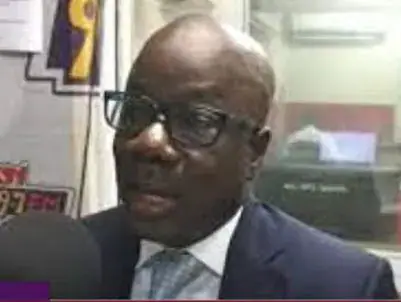
The African Centre for Parliamentary Affairs (ACEPA) has expressed support for the proposed biometric attendance system for Members of Parliament (MPs) in Ghana, citing its potential to significantly reduce absenteeism and improve participation in parliamentary proceedings. According to Dr. Rasheed Draman, Executive Director of ACEPA, the system will ensure that legislators are physically present in the Chamber before their attendance is recorded. This move aims to address longstanding concerns about MPs' absence from parliamentary sittings.
Dr. Draman noted that Parliament had previously introduced a clocking system to monitor attendance, but it did not fully achieve its purpose because some MPs signed in without actively participating in proceedings. The biometric system, he explained, will tie attendance to the unique features of each MP, making it more difficult for anyone to register attendance without being present. This, he believes, will promote greater accountability among legislators and encourage them to remain committed to their constituents' and the nation's interests.
The proposed biometric attendance system is part of broader efforts to strengthen discipline and improve participation in parliamentary business. Speaker of Parliament, Mr. Alban Sumana Kingsford Bagbin, recently announced plans to introduce the system during his address at the opening of the Third Meeting of the Second Session of the Ninth Parliament. The initiative aims to enable Parliament to accurately monitor attendance and participation levels of MPs while addressing public concerns about lawmakers who fail to attend parliamentary sittings regularly.
Absenteeism has long been a concern in Ghana's Parliament, with recurring reports of low attendance affecting the conduct of business in the House. Parliamentary leaders, governance experts, and civil society organizations have repeatedly called for stricter measures to ensure MPs attend sittings, contribute meaningfully to debates, scrutinize government policies, and effectively represent their constituents' interests. The biometric attendance system is expected to help address these concerns and improve the overall effectiveness of Parliament.
Dr. Draman emphasized that improving attendance is essential to strengthening Parliament's oversight, lawmaking, and representative functions. He noted that debates and decision-making processes are often affected when the required number of MPs are absent from the Chamber. The biometric attendance system, he believes, will help to promote a culture of accountability and attendance among MPs, which is critical for the effective functioning of Parliament.
The introduction of the biometric attendance system is also expected to help reduce the number of cases where MPs are referred to Parliament's Privileges Committee for investigation and possible sanctions due to absenteeism. Over the years, concerns about absenteeism have led to some MPs being referred to the Committee, which has resulted in sanctions being imposed on some lawmakers. The biometric attendance system is expected to help reduce such cases and promote a culture of accountability among MPs.
The biometric attendance system is set to be implemented in Ghana's Parliament as part of efforts to strengthen discipline and improve participation in parliamentary business. The system is expected to improve attendance, promote accountability, and enhance the overall effectiveness of Parliament. Key stakeholders, including parliamentary leaders, governance experts, and civil society organizations, have welcomed the initiative, citing its potential to improve the functioning of Parliament and promote good governance in Ghana.
Key points
- The biometric attendance system will tie attendance to the unique features of each MP, making it more difficult for anyone to register attendance without being present.
- The system aims to address longstanding concerns about MPs' absence from parliamentary sittings and promote greater accountability among legislators.
- The initiative is part of broader efforts to strengthen discipline and improve participation in parliamentary business in Ghana's Parliament.