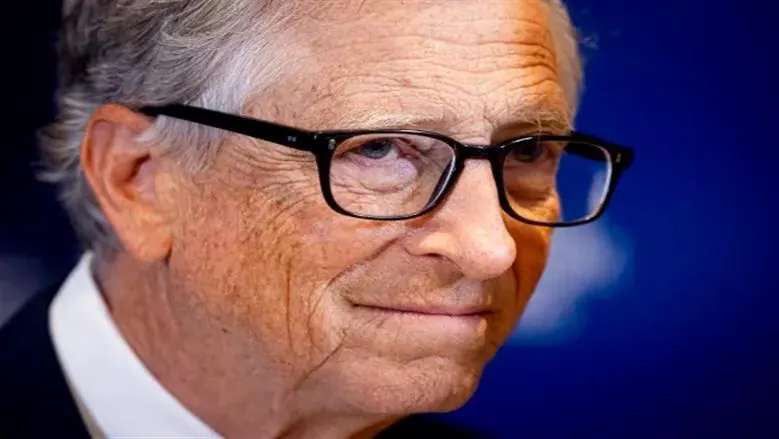
In a recent interview with NBC's "Meet the Press," billionaire and Microsoft co-founder Bill Gates issued a warning about the potential dangers of artificial intelligence (AI). He stated that AI has become powerful enough to cause catastrophic events that could result in the deaths of a large number of people. Gates emphasized that his concern lies in the possibility of malicious individuals exploiting AI tools for their own gain.
According to Gates, the combination of advanced AI capabilities and the potential for misuse by individuals with malicious intentions presents an unprecedented challenge. He noted that history has not seen a technology that combines such power with the potential for abuse. Gates' comments were not meant to suggest that 1 billion deaths are imminent or inevitable, but rather to highlight the potential risks associated with AI.
Gates stressed the need for government regulation and oversight of AI technology. He believes that self-regulation by companies is insufficient and that governments, law enforcement, and policymakers must be involved in establishing clear rules and guidelines for AI development and use. Gates argues that mandatory safety and monitoring mechanisms can help mitigate the risks associated with AI.
The potential risks of AI on humanity are multifaceted. One concern is the potential loss of jobs due to automation, particularly in sectors where tasks are repetitive or can be easily automated. Additionally, AI can be used to spread misinformation, as it can generate convincing fake texts, images, and videos. Furthermore, AI systems can raise concerns about data collection, analysis, and usage, potentially infringing on individuals' privacy.
AI can also be exploited for malicious purposes, such as developing more sophisticated phishing and identity theft tactics. Gates' warning highlights the need for a proactive approach to addressing the potential risks and consequences of AI. As AI technology continues to evolve and become more pervasive, it is essential to consider the potential implications and take steps to mitigate them.
The Egyptian government, like others around the world, will likely be monitoring the development of AI and its potential applications. As AI becomes increasingly integrated into daily life, it is crucial to strike a balance between harnessing its benefits and minimizing its risks. This may involve investing in education and training programs that prepare workers for an AI-driven economy.
Ultimately, the responsible development and deployment of AI will require a collaborative effort from governments, industry leaders, and civil society. By working together, it is possible to harness the potential of AI while minimizing its risks and ensuring that its benefits are equitably distributed.
Key points
- Bill Gates warns of potential risks of artificial intelligence, citing possibility of 1 billion deaths
- Gates urges government regulation and oversight of AI technology
- AI poses multifaceted risks to humanity, including job loss, misinformation, and privacy concerns