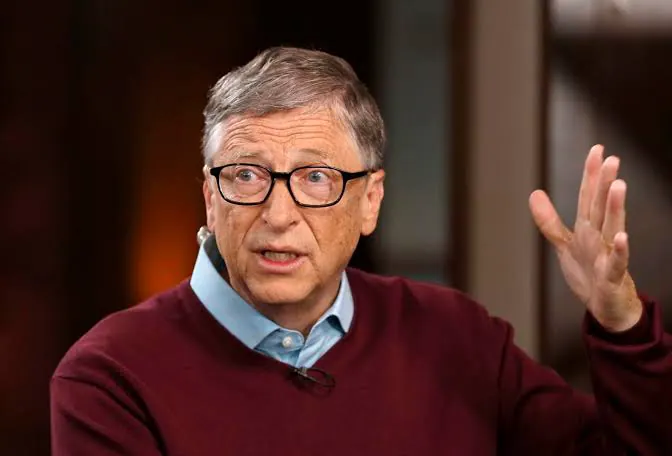
Microsoft co-founder Bill Gates has expressed concerns that artificial intelligence (AI) could lead to a rise in cyberattacks in 2027. In a recent interview with CNN's Jake Tapper, Gates described AI as one of the most dangerous technologies ever invented. He emphasized the need for stronger safeguards to prevent criminals from misusing the technology. Gates' warning comes as the world continues to grapple with the potential risks and benefits of AI. The Nigerian technology landscape is also bracing for the impact of AI.
According to Gates, the biggest immediate threat is not AI becoming uncontrollable, but rather criminals using advanced AI systems to carry out cyberattacks after removing their safety protections. He noted that the front that will probably see the most dramatic impact in the next year is cyberattacks. Gates warned that the world could face many unexpected problems as criminals find new ways to use AI. His comments have sparked a renewed debate about the need for stricter regulations to govern the use of AI.
Gates called for stricter rules to prevent AI from being used to launch cyberattacks and carry out bioterrorism. He disagreed with US President Donald Trump's position that voluntary oversight by technology companies was enough to manage AI risks. Gates argued that stronger protections were necessary to prevent the misuse of the technology and reduce the dangers it could pose to society. His comments have been echoed by other technology leaders who have raised concerns about the risks of AI.
In an August post, Gates warned that the world was not adequately prepared for the major changes AI could bring, particularly its possible effects on jobs and employment. He noted that AI had the potential to significantly impact the job market, and that governments and companies needed to work together to mitigate this impact. Gates' comments have sparked a renewed debate about the need for governments and companies to invest in education and retraining programs to prepare workers for an AI-driven economy.
The Nigerian government has been working to develop a national strategy for AI, with a focus on promoting the development and use of AI in the country. However, the government has also acknowledged the need to address the potential risks associated with AI, including the risk of cyberattacks. In recent years, Nigeria has seen a significant increase in cyberattacks, with many of these attacks targeting financial institutions and other critical infrastructure.
Gates is among several technology leaders who have raised concerns about the risks of artificial intelligence. Other leaders, including Elon Musk and Mark Zuckerberg, have also warned about the potential dangers of AI. Their comments have sparked a renewed debate about the need for governments and companies to take a more proactive approach to regulating AI and mitigating its risks.
The international community is also taking steps to address the potential risks associated with AI. The United Nations has launched a initiative to promote the development and use of AI in a way that is safe and beneficial to humanity. The initiative aims to bring together governments, companies, and civil society organizations to develop a global framework for the development and use of AI.
Key points
- Bill Gates warns that AI could lead to a rise in cyberattacks in 2027.
- Gates calls for stronger measures to prevent criminals from misusing AI technology.
- The world is not adequately prepared for the major changes AI could bring, particularly its possible effects on jobs and employment.