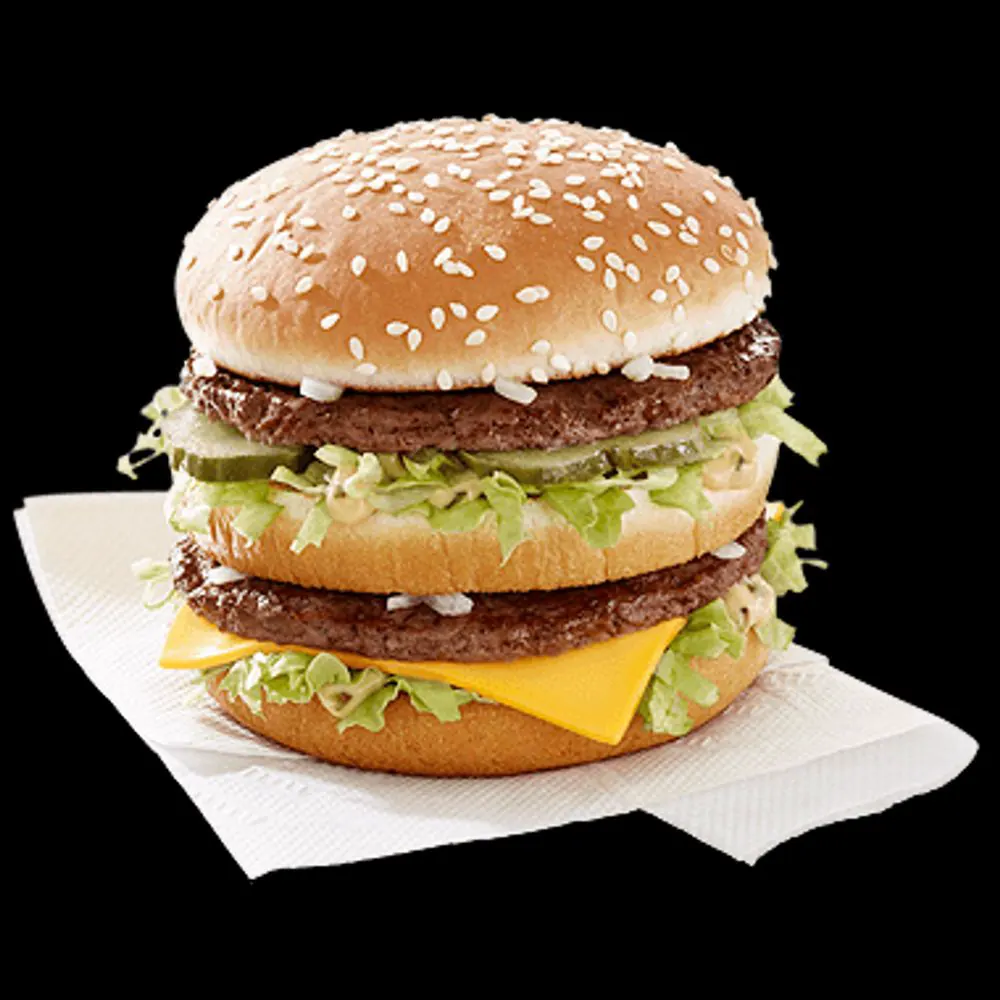
According to recent data, the price of a Big Mac in South Africa has increased significantly over the years. In 2010, the burger cost R18.45, while in 2020, it cost R31. By 2026, the price had risen to R56.90. This represents a substantial increase of 45.5% since 2020, outpacing cumulative inflation of 36.16% over the same period. The rising cost of the Big Mac has implications for South African consumers.
The Big Mac Index, a 40-year-old economic indicator, compares the price of the burger in different countries to assess relative currency values. Historically, South Africa's ranking in the index has suggested that the rand should be stronger than it is. Economists attribute the rand's devaluation to commodity-linked volatility, political risk, and structural deficits in the South African economy. These factors contribute to the country's economic instability.
Despite the price increase, South Africans still pay less for a Big Mac compared to most countries. At R56.90, the local price translates to approximately $3.49, making South Africa the 10th-cheapest of the 54 countries included in the July index. In contrast, the same burger costs $6.22 in the US and £5.49 in Britain, equivalent to around $7.40. The price difference highlights variations in the cost of living across countries.
Analyzing historical data, the price of a Big Mac in South Africa has fluctuated over the years. Between 2000 and 2018, the price remained relatively stable, with minimal changes. However, from 2020 onwards, the price began to rise rapidly, reaching R33.50 in 2021, R39.90 in 2022, and R49.90 in 2023. The R10 increase between 2022 and 2023 was the largest one-year jump in rand terms since South Africa was first included in the index.
If the Big Mac price continues to rise at an average annual rate of 16.9%, as observed between 2020 and 2024, it could reach around R130 by 2030. This projection is based on the price increasing from R31 in 2020 to R51.90 in 2024. While it is uncertain where prices will go, the trend suggests that consumers may face higher costs for everyday items in the future.
The impact of rising prices on consumers' monthly budgets should not be underestimated. A statement noted that a Big Mac is one of those treats that people notice when the price increases. As prices continue to rise, consumers may need to adjust their spending habits to accommodate the increased cost of living. This could have broader implications for the economy and consumer behavior.
The Big Mac price increase is a reminder of the importance of monitoring inflation and its effects on everyday items. As the price of a Big Mac continues to rise, consumers and economists will be watching closely to see how it affects the broader economy. The trend may also influence how businesses and policymakers approach pricing and economic decision-making in the future.
Key points
- South Africans may be paying R130 for a Big Mac by 2030 if prices continue to rise at current rates.
- The price of a Big Mac in South Africa has increased by 45.5% since 2020, outpacing cumulative inflation of 36.16%.
- Despite the price increase, South Africans still pay less for a Big Mac compared to most countries.