The Big Issue's Big Grow project has been trialled at three sites in Norwich city centre, including Colegate Church, St Giles' Church, and the New Routes charity shop. Despite varying harvests, the project fostered a sense of joy, pride, and achievement among participants. The initiative also created a natural environment for discussing difficult issues, such as access to NHS dental care in the city. Norwich Charitable Trusts provided funding for outreach mobile dental clinics, which treated 27 people, including former Big Issue vendor Simon.
The Big Grow project has demonstrated the positive impact of growing food on individuals and communities. Development expert Hugh Locke argues that helping smallholder farmers adopt regenerative agriculture and agroforestry could produce additional food needed for population growth by 2050 while restoring the natural world. His work with the Smallholder Farmers Alliance in Haiti shows that this approach can lead to greater yields, household incomes, and healthier land.
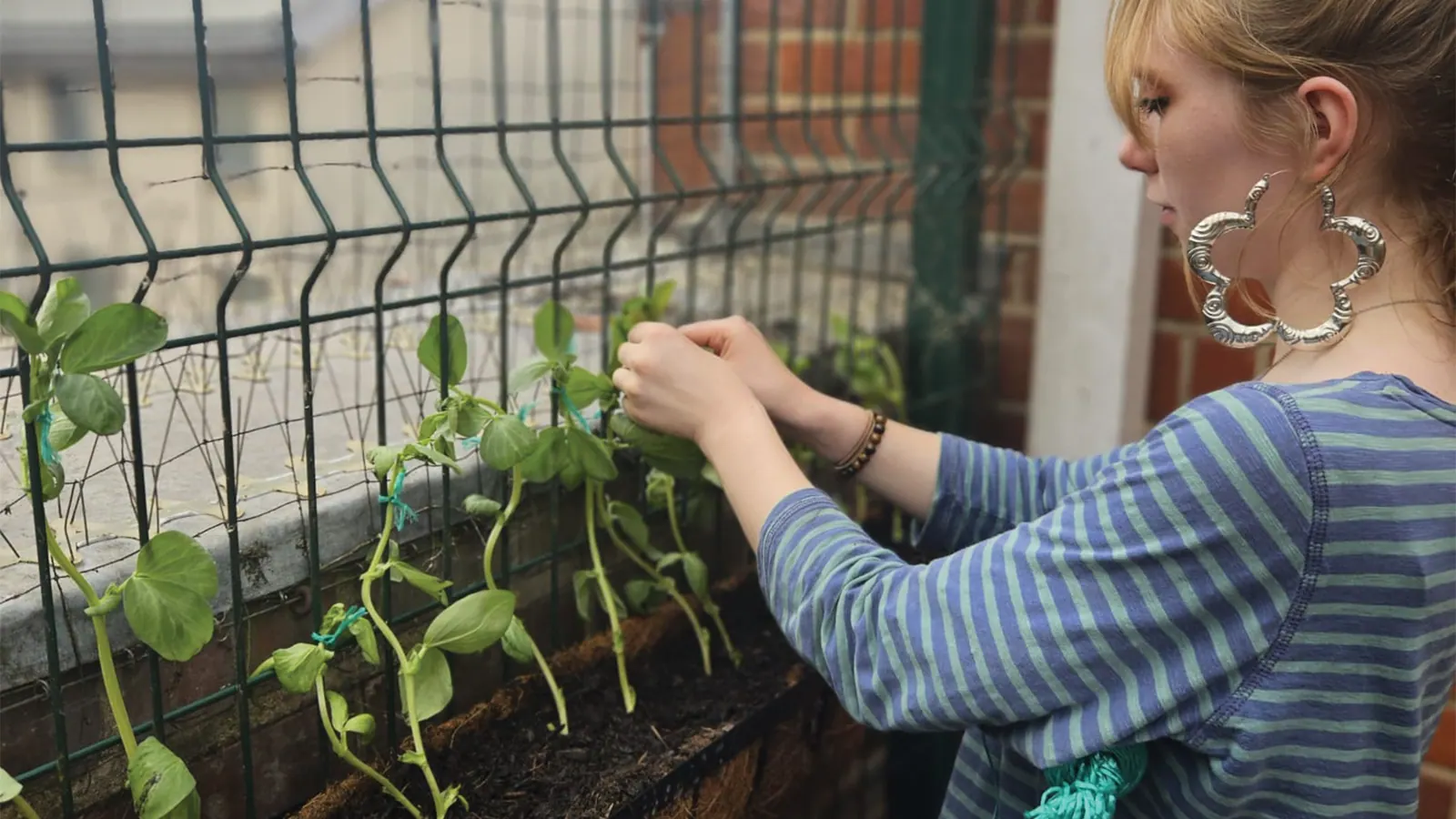
This year, the Big Grow project has expanded to Jane Austen School in Norwich, where students are working on a food-growing project. The school has no green space, but student Tatiana Hardy envisioned a rooftop garden where pupils could grow food, learn about natural systems, and adapt to a changing climate. With funding from Bupa Foundation Green Community Grants, the project has become a year-long elective within the school curriculum.
The project at Jane Austen School aims to educate young people about food production, local and seasonal food, food preservation, and environmental conservation. Claire Honess, sixth form pastoral mentor, championed the vision from the beginning, emphasizing that this is not a one-off gardening session but a sustained learning experience. Students will learn about Norfolk's harvesting traditions, water conservation, and biodiversity.
The Big Grow project's success in Norwich has shown that even small patches of urban land can produce more than just fruit and vegetables. The initiative has brought the community together, promoting a sense of ownership and responsibility. By working with local organizations and schools, the Big Grow project is making a positive impact on the environment and the people involved.
The project's expansion to Jane Austen School is particularly significant, as it involves a new generation of young people in urban gardening and environmental conservation. By incorporating the Big Grow project into the school curriculum, students will gain hands-on experience and develop essential skills in food production, sustainability, and community engagement.
The Big Grow project's achievements demonstrate the potential for urban gardening initiatives to strengthen communities and promote environmental resilience. As the project continues to grow, it is likely to inspire similar initiatives in other urban areas, contributing to a more sustainable and community-focused approach to food production and environmental conservation.
Key points
- The Big Grow project has treated 27 people through outreach mobile dental clinics, providing 130 dental procedures.
- The project has expanded to Jane Austen School, where students are working on a year-long food-growing project.
- Development expert Hugh Locke argues that helping smallholder farmers adopt regenerative agriculture and agroforestry could produce additional food needed for population growth by 2050.