Egyptian company Beyti has announced investments of over EGP 7bn in the country, with plans to spend EGP 8.7bn by 2027. The company, a subsidiary of Almarai, highlighted its contribution to local manufacturing, employment, and sustainable economic development. Beyti provides around 6,000 direct jobs and 19,000 indirect jobs, and exports products to more than 45 countries. The company sources 67% of its raw and packaging materials locally, supporting the local economy.
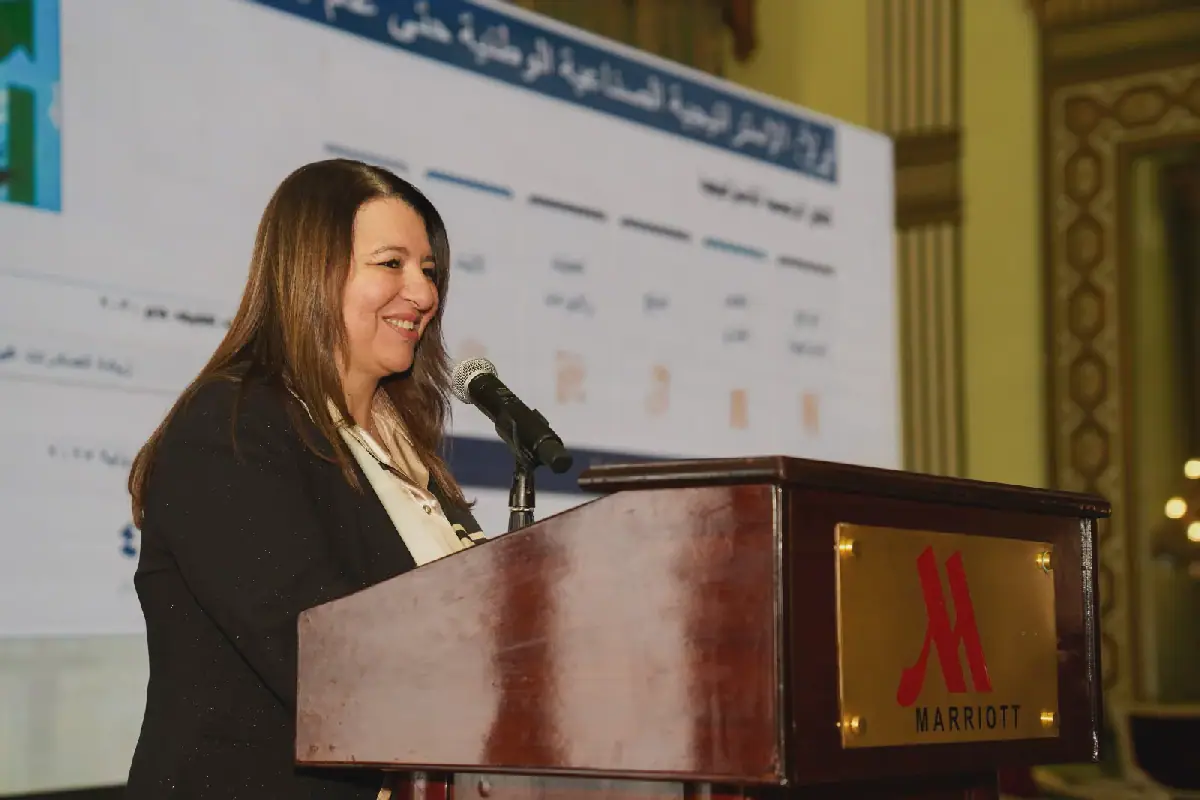
The investment figures were announced during an awareness session organised by Beyti, under the title “From Ambition to Impact: Beyti’s Leadership in Embedding Environmental and Social Sustainability Standards”. The session featured government officials, including Nermine Abou El Atta, Adviser to the Minister of Industry for Sustainable Development, and Saber Osman, Assistant to the Minister of Local Development and Environment for Sustainability and Social Responsibility. Discussions focused on national frameworks for sustainable manufacturing in the food and beverage sector.
The awareness session highlighted the importance of sustainable manufacturing and environmental and social responsibility in the food and beverage sector. Beyti’s General Manager, Chris Abboud, emphasized that sustainability is embedded in the company’s business operations and value creation. Abboud noted that the company’s “Doing Better Every Day” strategy focuses on people, environmental protection, and product safety. The company aims to achieve measurable impact through clear targets, practical measures, and effective partnerships.
Beyti has pursued several initiatives to improve energy efficiency and reduce emissions. In 2020, the company began partially switching to natural gas, targeting a 30% reduction in carbon dioxide emissions. This move is part of the company’s efforts to reduce its environmental impact and promote sustainable practices. By investing in cleaner energy sources, Beyti aims to minimize its carbon footprint and contribute to Egypt’s sustainable development goals.
In 2021, Beyti invested in a 7.6-megawatt solar power plant, which supplies around 20% of the factory’s energy needs. The company targets an increase in this share to 30% by 2028. The solar power plant is the largest grid-connected solar power plant in Egypt’s food and beverage sector. This investment demonstrates Beyti’s commitment to renewable energy and reducing its reliance on non-renewable sources.
Beyti has also made significant strides in reducing waste and promoting recycling. The company joined the Egyptian Used Beverage Carton (UBC) Pact during COP27 and supported the nationwide “Dawar El 3elba Tdorlak” campaign to encourage carton recycling. Since 2022, Beyti has prevented approximately 290 tonnes of plastic waste annually and recycles around 25,000 tonnes of secondary packaging cartons each year. These efforts contribute to Egypt’s waste reduction and recycling goals.
Looking ahead, Beyti’s 2030 sustainability vision targets a 25% reduction in its carbon footprint, a 20% improvement in resource efficiency, zero waste sent to landfills, and 100% recyclable packaging. The company aims to achieve these goals through its sustainability strategy and partnerships with government and private-sector stakeholders. By prioritizing sustainability, Beyti is contributing to Egypt’s Vision 2030 and promoting environmentally responsible business practices.
Key points
- Beyti has invested EGP 7bn in Egypt and plans EGP 8.7bn spending by 2027.
- The company provides around 6,000 direct jobs and 19,000 indirect jobs, and exports products to more than 45 countries.
- Beyti targets a 25% reduction in its carbon footprint and zero waste sent to landfills by 2030.