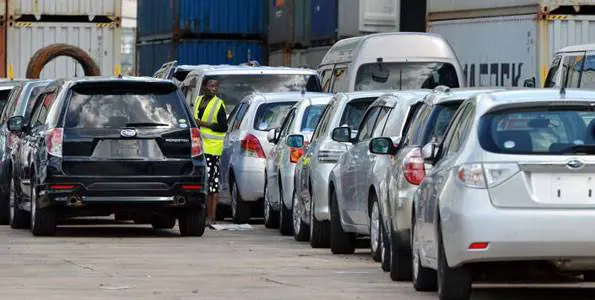
The Ghana Standards Authority's decision to enforce stricter vehicle import standards from October 1, 2026, has generated significant discussion. The new regulations aim to improve road safety, air quality, and consumer protection by restricting the importation of used vehicles over 15 years old. However, some argue that age alone is not a reliable indicator of a vehicle's safety or environmental impact.
According to Eng. Joseph K. Awuni, a mechanical engineer with experience in vehicle maintenance and technical training, two vehicles of the same age can be in vastly different mechanical conditions. A well-maintained older vehicle can be safer and more reliable than a poorly maintained newer one. Therefore, the focus should shift from the vehicle's age to its overall condition.
Ghana's automotive market heavily relies on imported used vehicles, with over 90% of vehicles imported being used and only about 10% being new. For many Ghanaians, used vehicles are a necessary and affordable means of mobility and income generation. A rigid age threshold could lead to higher vehicle acquisition costs, increased transport operating costs, and reduced availability of affordable replacement vehicles.
The Ghana Standards Authority's new standards target vehicles that have been flood-damaged, burnt, structurally compromised, or assembled from spare parts. However, Ghana must balance the need to control the importation of damaged and unsafe vehicles with the economic reality of its automotive market. The goal should be to remove unsafe and excessively polluting vehicles from the market while making vehicle ownership progressively safer and more affordable.
To achieve this, Eng. Awuni suggests several alternatives to the age-based approach. These include adopting a condition-and-compliance approach, strengthening pre-shipment inspections, making emissions testing enforceable, and creating a transparent vehicle-health grading system. Additionally, progressive penalties and strengthened local automotive capacity could help balance safety, environmental, and economic objectives.
The discussion on Ghana's vehicle import policy should involve various stakeholders, including the Ghana Standards Authority, Driver and Vehicle Licensing Authority, Ministry of Transport, vehicle importers, dealers, mechanics, and consumer groups. A broader evidence-based conversation is necessary to develop a smarter policy that protects lives, the environment, and industry while recognizing economic reality.
Ultimately, Ghana deserves a vehicle import policy that balances competing interests and priorities. By considering multiple factors beyond vehicle age, Ghana can create a more effective and equitable policy that promotes road safety, environmental protection, and economic growth.
Key points
- A rigid age threshold for vehicle imports could have unintended consequences, including higher costs for Ghanaians and reduced availability of affordable vehicles.
- A condition-and-compliance approach could provide a more effective and equitable way to regulate vehicle imports.
- Strengthening local automotive capacity and promoting progressive penalties could help balance safety, environmental, and economic objectives.