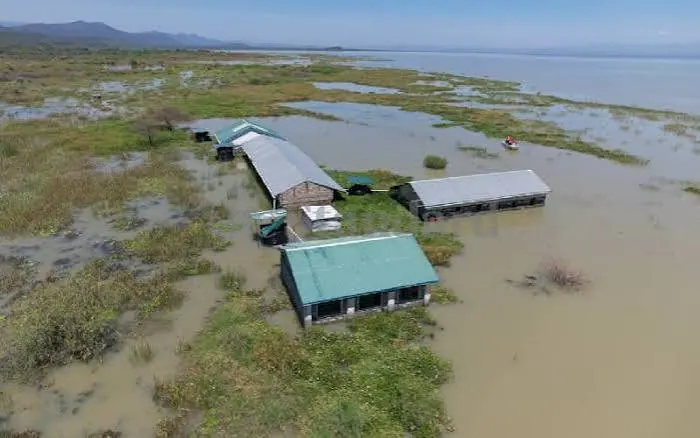
Kenya is bracing for the impact of El Niño, a weather phenomenon expected to bring heavy rainfall and potentially devastating consequences. The World Meteorological Organisation has confirmed that El Niño is firmly established and is likely to strengthen further, with a nearly 100 per cent chance of persisting through to February 2027. This has raised concerns about the potential impact on the country's infrastructure and population.
The Kenya Red Cross has warned that 46 of the country's 47 counties are at risk, with over 2 million people potentially negatively affected by the expected long rainy season. The organisation has called for preparedness and mitigation measures to be put in place to minimise the impact of the impending disaster. This warning comes as the country prepares for the October to December rainfall period, which is expected to be particularly heavy.
The government has a critical role to play in protecting citizens from the impact of El Niño. This includes investing in infrastructure, maintaining drainage systems, providing reliable early warnings, coordinating emergency response, and supporting communities when disasters strike. However, there is also a need for individuals and businesses to take responsibility for their own preparedness and mitigation measures.
El Niño is expected to bring rainfall that could be 60 per cent to 80 per cent higher than normal across much of East Africa. This has significant implications for the country's infrastructure, including roads, bridges, and buildings. The government and individuals must take steps to protect these critical assets from the potential damage caused by heavy rainfall and flooding.
Insurance can play a critical role in helping individuals and businesses protect their financial progress in the event of a disaster. However, there is a tendency in Kenya to think about insurance after something has gone wrong. This approach can leave individuals and businesses vulnerable to financial shocks and can hinder their ability to recover from a disaster.
Preparedness is not only about surviving the event, but also about being able to recover from it. This requires a broader culture of risk management and financial planning, which includes insurance as a key component. Insurers have a responsibility to make protection easier to understand, more accessible, and more relevant to the risks people actually face.
Ultimately, the question for every household and every business is simple: if the rain comes as forecast, are you prepared? The warning has been given, and the forecasts are available. It is now up to individuals and businesses to take responsibility for their own preparedness and mitigation measures, and to take action to protect themselves from the potential impact of El Niño.
Key points
- 46 of Kenya's 47 counties are at risk from El Niño, with over 2 million people potentially affected.
- El Niño is expected to bring rainfall that could be 60 per cent to 80 per cent higher than normal across much of East Africa.
- Insurance can play a critical role in helping individuals and businesses protect their financial progress in the event of a disaster.