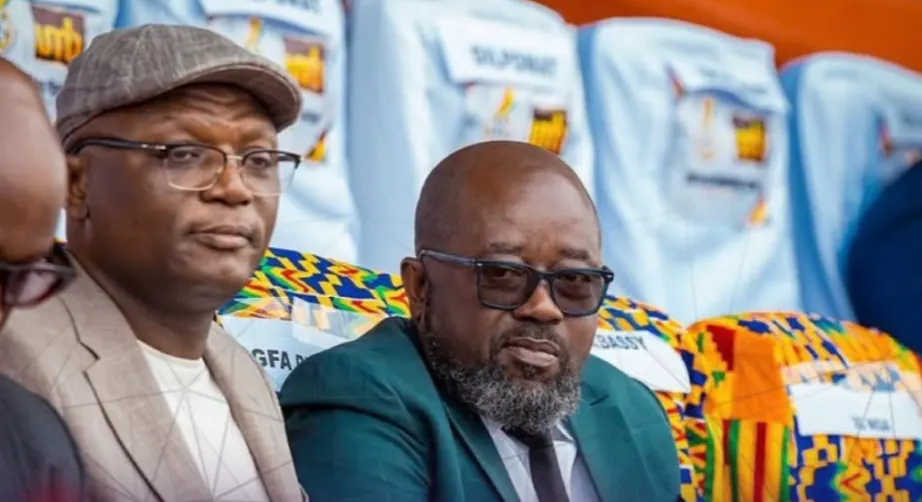
The Ghana Football Association (GFA) faces mounting pressure to reform following the exit of coach Carlos Queiroz and a dismal 4-2 loss to The Gambia. The GFA's decision-making Executive Council met with Sports and Recreation Minister Kofi Adams to find a solution to the Black Stars' decline. The meeting aimed to chart a new course for the team and address the broader crisis in Ghanaian football. The GFA and government are under scrutiny to restore integrity, competitiveness, and public trust.
Ghana's football crisis extends beyond coaching changes, with six coaches in seven years failing to achieve sustained success. The current FA leadership has faced allegations of influencing player selections and promoting personal interests. These claims require evidence and due process. The GFA and government have agreed to form a joint committee to search for Queiroz's successor. Greater state involvement in national teams funded by public money is logical, but appointing another coach without addressing structural weaknesses risks another temporary fix.
The decline of Ghanaian football is evident in the national teams' performances. The Black Starlets, Black Satellites, Black Meteors, and CHAN team have struggled to qualify for major continental competitions. At club level, Medeama SC and Nations FC were eliminated at the first hurdle of the CAF Champions League and Confederation Cup, respectively. The domestic game has lost its role as a reliable talent pipeline, and Ghana continues to struggle in CHAN, reserved for home-based players.
The Sports Writers Association of Ghana (SWAG) demands a comprehensive review of national-team management, clear accountability, and transparent appointment of coaches. The government should exercise firmer supervision over national teams funded by public money, without interfering in operational matters. Public money must be matched by accountability, transparent processes, and results. The GFA has achieved some successes, including increased private investment and redevelopment of the Ghanaman Centre of Excellence.
The GFA's current administration has made efforts to improve football in Ghana, including increased private investment and coaching education initiatives. However, these advances will have limited value unless Ghana rebuilds from the bottom up, focusing on juvenile and colts football, academies, domestic clubs, and age-group national teams. The pathway to success must become more important than opportunistic recruitment of Europe-based dual nationals.
The Gambia defeat has served as a warning that Ghana football has reached a crossroads. The GFA must restore integrity, confidence, and order to the governance structure, open the system to scrutiny, and rebuild the domestic game. The task is not simply to appoint another coach but to bring even fierce critics into a credible reform process. Without institutional reset, another coaching change will only postpone the reckoning.
The government and GFA face a critical task in reforming Ghanaian football. The SWAG's demands for comprehensive reforms and greater accountability are clear. The GFA President, Kurt Simeon-Okraku, and his Executive Council must take bold steps to address the crisis. The future of Ghanaian football depends on the success of these reforms and the ability of the GFA to restore public trust.
Key points
- The GFA must prioritize comprehensive reforms and accountability to address the crisis in Ghanaian football.
- The government should exercise firmer supervision over national teams funded by public money.
- Rebuilding Ghanaian football requires a focus on juvenile and colts football, academies, domestic clubs, and age-group national teams.