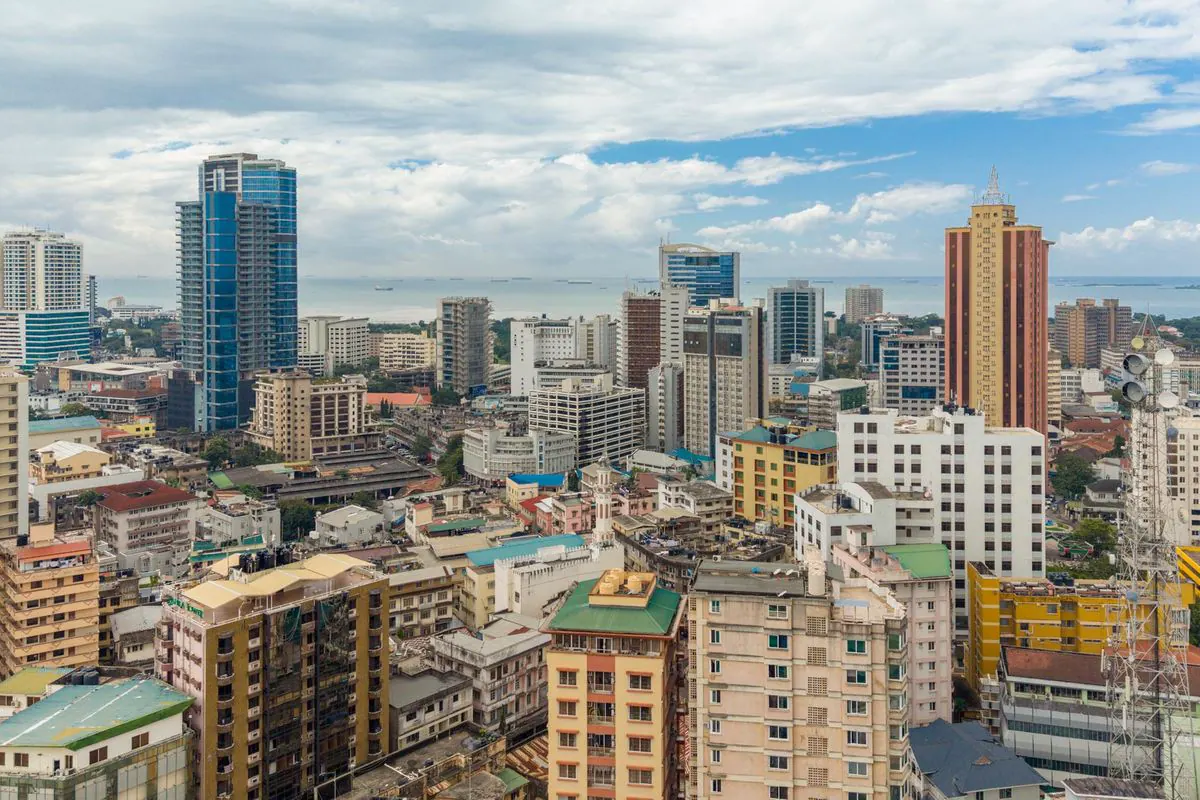
Tanzania's real estate landscape is undergoing a significant transformation, with new residential and commercial developments emerging in Dar es Salaam and other urban centers. This growth has provided buyers and investors with a wider range of options than ever before. However, experts argue that the conversation around real estate needs to mature, moving beyond the sheer numbers of projects and focusing on the quality of developments.
The traditional approach has emphasized the quantity of developments, viewing them as a sign of progress and investment in the sector. However, this approach has limitations, as more supply does not necessarily create a strong property market. Quality is now considered equally important, encompassing factors such as location, architecture, unit sizes, and amenities. These elements have a significant impact on the long-term value of a property.
Buyers in Tanzania are becoming increasingly informed and selective, seeking more than just square meters. They want to understand what they are getting for their money, considering lifestyle, running costs, rental potential, and resale prospects. For investors, the lowest price per square meter is not always the best deal; a well-designed and well-managed property in the right location may cost more initially but can provide better long-term returns.
Developers in Tanzania must understand the needs of their target audience to create successful real estate projects. This requires engaging with potential buyers, tenants, and investors to determine what they are looking for in a property. Experienced real estate professionals can play a crucial role in this process, providing valuable insights into market trends and preferences.
The next phase of Tanzania's real estate market presents opportunities for growth and development. Dar es Salaam is seeing increasingly sophisticated residential developments, while infrastructure investment, tourism, and urbanization are creating opportunities across different parts of the property market. However, adding more units will not be enough; developments that stand out will be those that prioritize quality and understand the needs of their target audience.
To achieve this, developers must focus on building with the end user in mind, considering factors such as unit sizes, layouts, and amenities. Buyers must also look beyond the initial price and brochure, asking the right questions to ensure they are making an informed decision. Investors, meanwhile, must recognize that a good property investment is not just about buying at the lowest possible price but about investing in a property that will retain its appeal and value over time.
As Tanzania's real estate sector continues to grow, there is a need for developers, investors, and buyers to think beyond the immediate transaction and consider the long-term implications of their decisions. By prioritizing quality and understanding the needs of their target audience, stakeholders can create a more mature and sustainable property market that adds lasting value to the country's economy and communities. Hellen Kiwia, CEO of Zara Real Estate Limited, emphasizes the importance of this shift in approach.
Key points
- Tanzania's real estate market is shifting focus from quantity to quality
- Developers must understand the needs of their target audience to create successful projects
- Prioritizing quality and long-term value is crucial for a sustainable property market