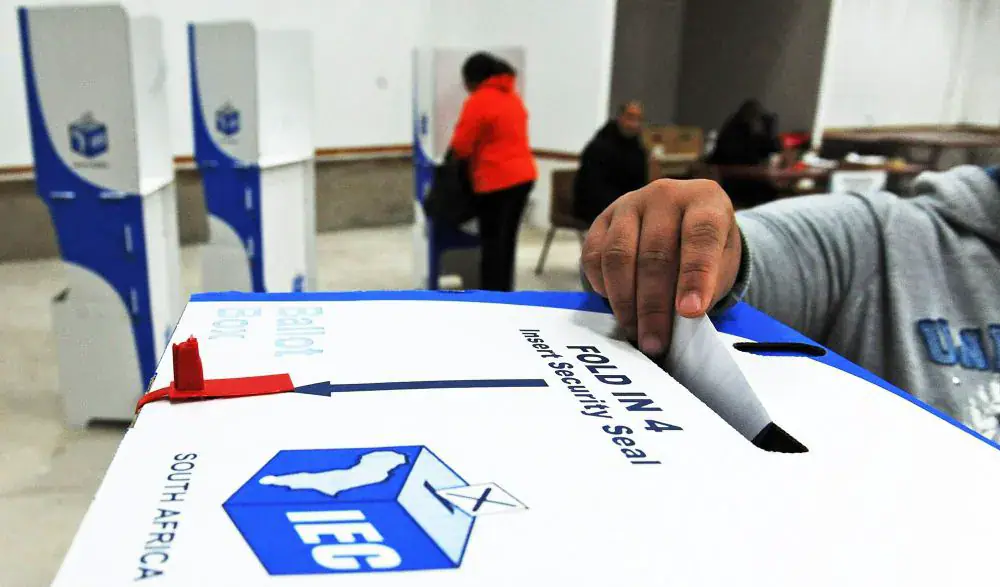
As South Africans prepare to vote in the 2026 local government elections, the question remains whether voters understand what they are actually voting for. The vote is not just a choice between political parties, but a choice about which interests, priorities, and economic realities will shape the municipality they live in. Voters must be careful who they vote for, as some parties are asking for votes without demonstrating an understanding of what keeps households, businesses, and municipalities functioning.
Local elections are not a popularity contest, but a decision about who will manage essential services such as roads, water, electricity, waste, and public spaces. However, political campaigns often make the ballot appear to be about something much simpler: who can promise the most, who can identify the most convenient enemy, or who can offer the most immediate reward. Voters have different concerns, including unemployment, food prices, reliable water and electricity, crime, and municipal failures.
A promise to remove foreign nationals does not automatically create jobs, factories, or expand production. Similarly, a promise of free services does not explain how those services will be funded, maintained, and delivered. South Africa's unemployment crisis makes this distinction particularly important, as people are desperate for work and may be swayed by emotionally powerful messages that identify foreigners as the reason they cannot find employment.
However, blaming migrants does not answer the harder questions about why the economy is not generating enough jobs, why businesses are struggling to expand, and what municipalities are doing to support local economic activity. The same scrutiny should apply to parties promising free services, as free at the point of use does not mean free to provide. Someone, somewhere, must finance the system, and a party that promises benefits without explaining the revenue, borrowing, transfers, or cost savings that will fund them is asking voters to accept a promise without a financing plan.
There is a striking contradiction in South Africa's local government politics, as political parties want control of municipalities but appear more interested in appealing to voters through popular promises than in engaging the households and businesses whose economic contributions help keep those municipalities functional. The ratepayer has become an almost inconvenient constituency, expected to pay, absorb rising costs, and tolerate declining services.
Homeowners, formal businesses, commercial property owners, and many middle-income households have legitimate questions about why municipal bills are rising when services are deteriorating. They also question why they must pay municipal charges and then spend additional money securing private alternatives. These concerns go to the financial survival of municipalities, which need a functioning economy, businesses that employ people, and households that can afford their bills.
Ultimately, South Africans are going to the polls at a moment when the country's economic vulnerabilities are becoming increasingly difficult to ignore. The ballot is not simply about what a party says it will give, but what it can realistically deliver, what it will cost, what it will prioritize, and how voters will hold it accountable. A vote is a form of public authority entrusted to political representatives and should not be treated as a small favour exchanged for a meal, slogan, or appealing promise.
Key points
- Voters must understand what they are voting for in the 2026 local government elections.
- Local elections are not a popularity contest, but a decision about who will manage essential services.
- A vote is a form of public authority entrusted to political representatives and should be treated with care.