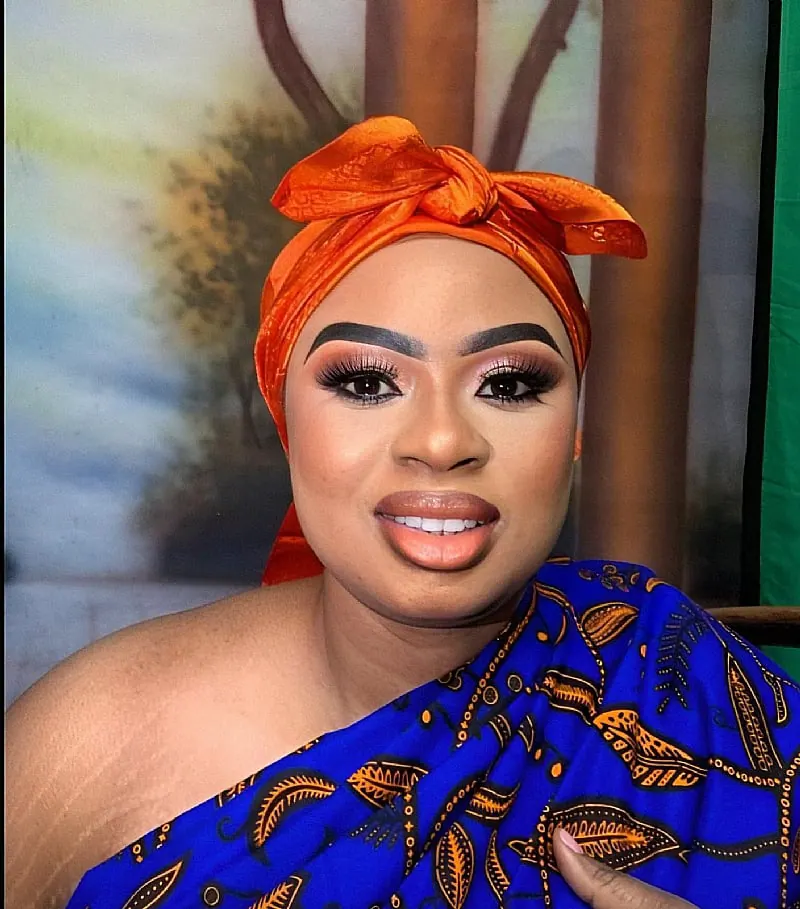
Beposo Ankaasehemaa, a traditional leader in Ghana, has issued a strong call for increased breast cancer awareness, early detection, and timely treatment as the world marks October Breast Cancer Awareness Month. In a message to commemorate the month, she urged women and the general public to become more vigilant about changes in the breast and seek professional medical attention whenever they notice anything unusual. This year's awareness message is anchored on the theme "Every Story Is Unique, Every Journey Matters," highlighting the need to treat every breast cancer patient with dignity, compassion, and respect.
Breast cancer remains a significant global health challenge, affecting millions of women across different countries and communities. According to Obaapanin Akua Nyanta Oforiwaa, the disease develops when abnormal cells in breast tissue grow uncontrollably and form a tumour, which can eventually invade surrounding tissues and spread to other parts of the body. The disease does not have one single cause but can be influenced by several biological, genetic, reproductive, environmental, and lifestyle factors.
The Beposo Ankaasehemaa noted that among the risk factors for breast cancer are increasing age, obesity, alcohol consumption, tobacco use, family history, previous radiation exposure, and certain reproductive factors. Inherited genetic mutations, including BRCA1, BRCA2, and PALB2, may also increase a person's risk. However, she cautioned that the absence of a family history does not eliminate the possibility of developing breast cancer, as many women diagnosed with the disease have no known major risk factor.
Obaapanin Akua Nyanta Oforiwaa urged the public to pay close attention to possible warning signs of breast cancer, including a new lump or thickening in the breast or underarm, changes in the size, shape, or appearance of a breast, dimpling, redness, or other unusual skin changes, changes in the nipple or surrounding area, and unusual nipple discharge, including bloody discharge. While acknowledging that most breast lumps are not necessarily cancerous, she stressed that persistent or unusual changes should never be ignored.
A major focus of the awareness message was the importance of early detection. According to Obaapanin Akua Nyanta Oforiwaa, recognizing symptoms early and obtaining timely medical assessment can significantly improve the chances of successful treatment. She encouraged individuals to follow appropriate screening recommendations based on their age and personal risk, including mammography where recommended and available.
The Beposo Ankaasehemaa further encouraged the public to adopt healthier lifestyles that can help reduce some breast cancer risks. She advocated regular physical activity, maintaining a healthy body weight, limiting alcohol consumption, avoiding tobacco, and eating a healthy diet. People with strong family histories of breast cancer or known genetic risks should seek professional advice for appropriate risk assessment and care.
Obaapanin Akua Nyanta Oforiwaa also drew attention to the emotional, social, and financial consequences of breast cancer. She noted that patients may experience fear, anxiety, stress, fatigue, body-image concerns, and financial difficulties during their treatment journey. She therefore called for a comprehensive approach to breast cancer care that includes not only medical treatment but also psychological support, rehabilitation, social assistance, and palliative care when necessary.
Key points
- The Beposo Ankaasehemaa urges early detection and treatment of breast cancer to improve chances of successful treatment.
- Breast cancer can be influenced by several biological, genetic, reproductive, environmental, and lifestyle factors.
- Adopting healthier lifestyles can help reduce some breast cancer risks.