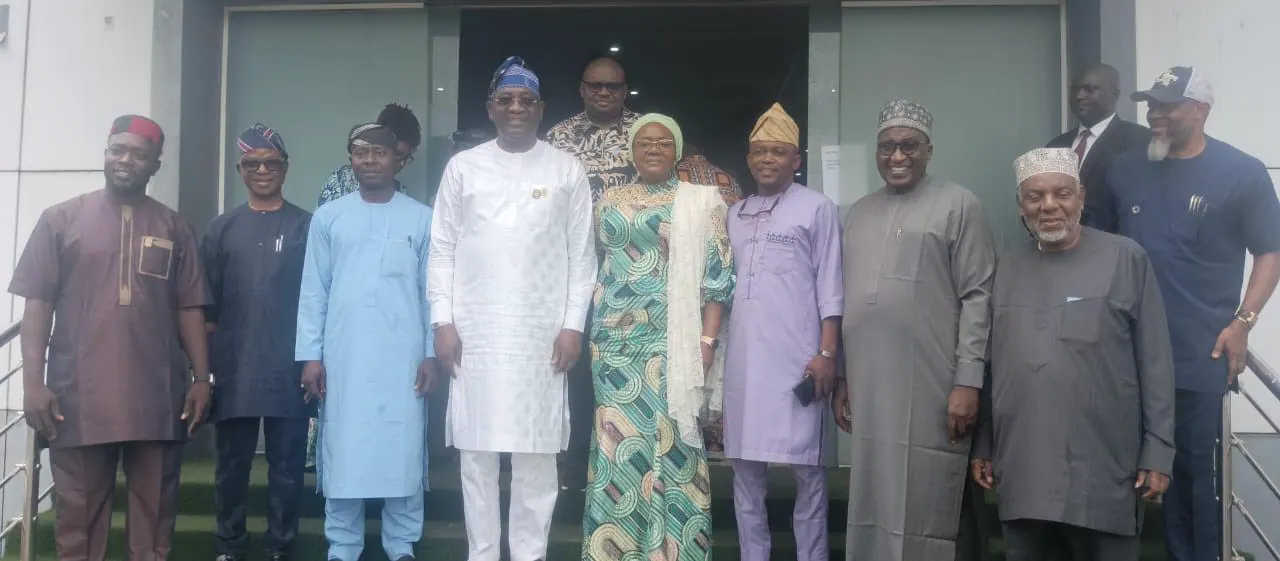
The Benue State Government has taken a significant step towards ensuring lasting peace and development in the state by inaugurating the Benue Peace Implementation Committee (BPIC). The committee's primary responsibility is to implement agreements reached to resolve conflicts in the state. Governor Rev. Fr. Hyacinth Alia, represented by his Deputy, Sam Ode, described the inauguration as a crucial step in moving from the signing of peace agreements to their actual implementation.
The Governor commended the Centre for Humanitarian Dialogue (HD) for its sustained partnership with the state in promoting dialogue, conflict resolution, and reconciliation. He cited several peace agreements reached in Agatu, Konshisha, and Oju, as well as the recently signed Benue State Natural Resource Sharing Agreement. The Governor emphasized that the success of these agreements depends on effective coordination, monitoring, accountability, community participation, and sustained commitment by all stakeholders.
The Governor identified key priorities for the committee, including institutional coordination, monitoring and reporting, inclusivity and community ownership, early warning and response, and sustainability. He stressed that his administration is committed to not only responding to conflicts but also preventing them through dialogue, early warning mechanisms, addressing grievances, and strengthening institutions. The Governor believes that peace is essential for the state's development, including agriculture, investment, infrastructure, education, healthcare, and overall growth.
The committee's Terms of Reference outline its responsibilities, which include coordinating, overseeing, and monitoring the implementation of the Benue State Natural Resource Peace Agreement and its Implementation and Monitoring Plan. The committee will provide strategic leadership for dialogue, mediation, early response to emerging conflicts, and confidence-building among communities. It will also track compliance with key commitments, including climate-smart natural resource management and strengthening community-led dialogue and peacebuilding mechanisms.
The committee is expected to support equitable, transparent, and sustainable management of natural resources, including land and water, as a means of addressing some of the drivers of conflict. The committee will also identify emerging conflict trends and facilitate timely interventions to prevent escalation, while promoting peaceful coexistence through inclusive dialogue and stakeholder engagement. The committee is required to prepare quarterly progress reports on the implementation of the Peace Agreement and submit annual reports to the state government.
The Country Manager of HD Nigeria, Chris Agoha, welcomed participants and called for sustainable peace, reconciliation, and conflict prevention in Benue State. He explained that the committee emerged through broad consultations with stakeholders and comprises people committed to restoring Benue's reputation as a peaceful and hospitable state. Agoha urged members to work hard not only to prevent violence but also to promote justice, trust, and mutual respect among Benue communities.
Other stakeholders, including the Secretary to the State Government (SSG), Deborah Aber, and the Tor Tiv, Tor Jechira, HRM Edward Ujege, commended HD for its commitment to peacebuilding and pledged their support for the peace initiative. They emphasized the importance of youth empowerment and skills acquisition in addressing unemployment, a major contributor to conflicts, and called for deepened engagement with women and youths in the committee.
Key points
- The Benue State Government inaugurates the Benue Peace Implementation Committee to ensure effective implementation of peace agreements.
- The committee will provide strategic leadership for dialogue, mediation, and early response to emerging conflicts.
- The committee's success depends on effective coordination, monitoring, accountability, community participation, and sustained commitment by all stakeholders.