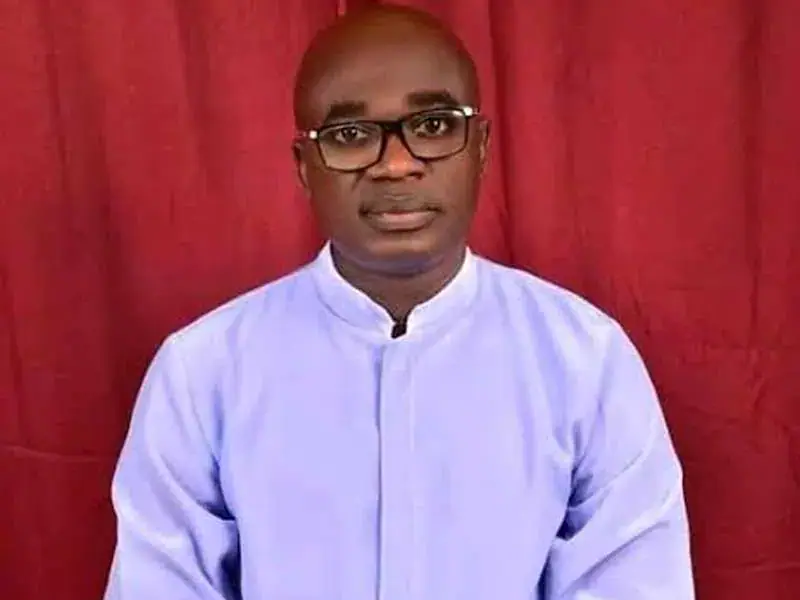
Governor Hyacinth Alia of Benue State is navigating a complicated political terrain as he prepares for the 2027 gubernatorial election. Since his emergence as governor on the platform of the All Progressives Congress (APC) in May 2023, Alia has faced a changing political environment. As an incumbent governor, Alia's journey towards securing another four years in Government House, Makurdi, is surrounded by political uncertainties, internal party disagreements, strained relationships with influential stakeholders, and an increasingly competitive opposition.
A major challenge confronting Governor Alia is his troubled relationship with Senator George Akume, the Secretary to the Government of the Federation. Their political alliance was instrumental in APC's victory in Benue State in 2023, but the relationship deteriorated over disagreements concerning appointments, political influence, party leadership, and control of the APC structure in the state. The disagreement has developed into a major struggle for supremacy within the ruling party, with reconciliation efforts stalled and parallel party structures and leadership disagreements threatening party cohesion.
The absence of influential stakeholders at the inauguration of Alia's 2027 re-election campaign council on November 6, 2026, raises questions about the level of political cohesion within the ruling party. Several influential APC stakeholders, including Akume, serving senators, and members of the House of Representatives from Benue State, were conspicuously absent. A campaign council is expected to demonstrate a united front, but the absence of key stakeholders may undermine Alia's re-election bid.
Alia faces a delicate balancing act: maintaining his political independence while avoiding a complete breakdown of relationships with influential APC stakeholders. As an incumbent governor, Alia may control the machinery of government, but controlling government is not necessarily the same as controlling the political party that produced him. The governor must navigate these complexities to ensure a successful re-election bid.
The 2027 gubernatorial election in Benue State is expected to be competitive, with the opposition likely to capitalize on any divisions within the ruling party. Alia's ability to navigate the complicated political terrain and unite his party will be crucial to his re-election bid. The governor's relationship with Akume and other influential stakeholders will be critical in determining the outcome of the election.
Alia's emergence as governor in 2023 was historic, as he transitioned from a Catholic priest to a politician. His popularity among ordinary people and his relatively new political personality helped dismantle the People's Democratic Party's longstanding dominance of Benue politics. However, his re-election bid will depend on his ability to adapt to the changing political landscape and build a united front within his party.
The road to the 2027 governorship election in Benue State is becoming increasingly complicated for Governor Alia. With internal party disagreements, strained relationships with influential stakeholders, and a competitive opposition, Alia must navigate these challenges to ensure a successful re-election bid. The outcome of the election will depend on Alia's ability to unite his party and build a strong coalition of supporters.
Key points
- Governor Alia faces a troubled relationship with Senator George Akume, which may impact his re-election bid.
- The absence of influential stakeholders at Alia's re-election campaign council inauguration raises questions about party cohesion.
- Alia must balance his political independence with maintaining relationships with influential APC stakeholders to ensure a successful re-election bid.