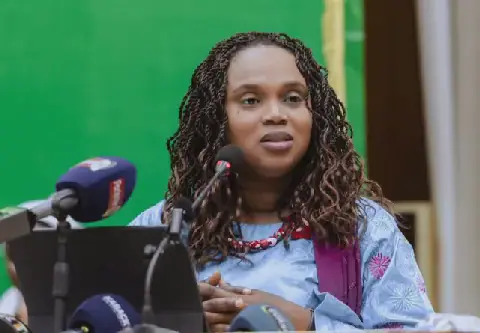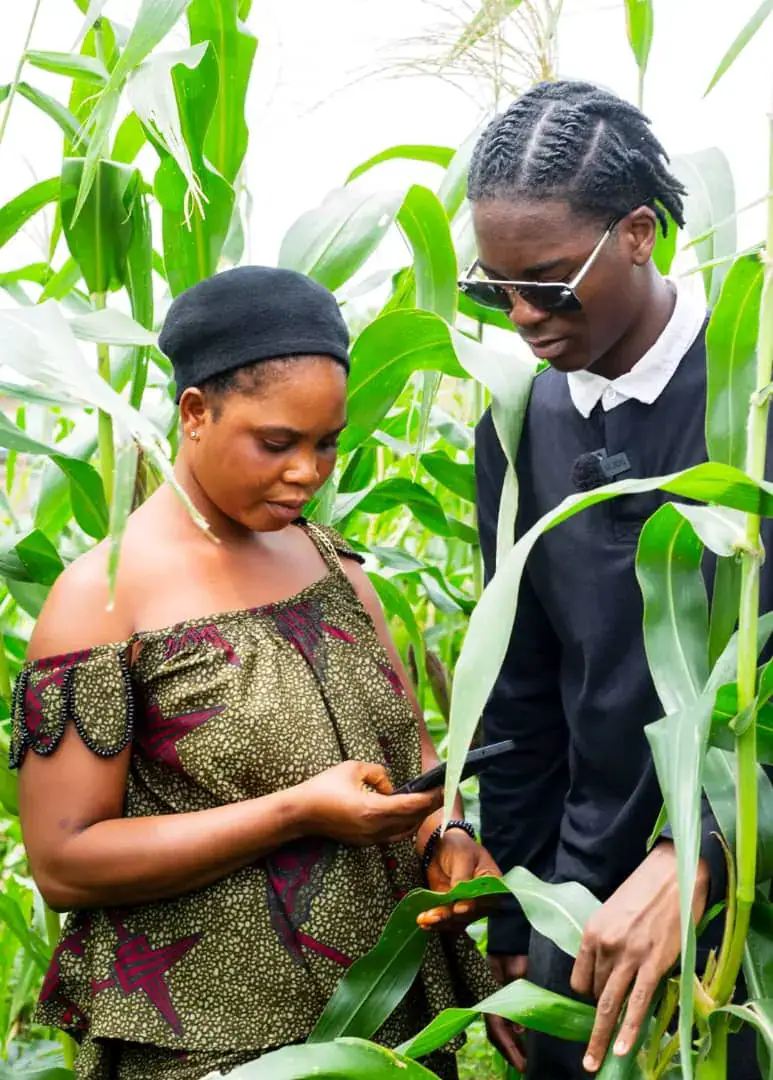
Dodi Daguia, a passionate and accomplished speaker, is leading an initiative to harness innovation to tackle pressing African challenges. As head of Youth4Peace, he and his team are developing an AI system called PlantGuard AI. This technology aims to assist maize producers in identifying diseases and pests affecting their crops, even in areas with no internet connectivity. The stakes are high, as maize is a staple food for over 300 million Africans.
The fall armyworm alone is estimated to destroy between 8.3 and 20.6 million tonnes of maize per year in Africa, resulting in economic losses of up to $6.2 billion. PlantGuard AI addresses this issue by providing on-the-ground intelligence to support food security. The AI model, developed using Google's TensorFlow Lite, can be embedded in a smartphone, allowing users to assess crop damage offline. This innovation has the potential to significantly reduce crop losses and enhance food security.
PlantGuard AI boasts two significant innovations. Firstly, it can operate entirely offline, making it accessible in areas with limited internet connectivity. Secondly, it assesses the severity of observed damage using a scale from 0 to 5, tailored to the specific threat. For example, it measures the spotted area for rust, examines central whorl damage for the fall armyworm, and considers the timing of infection for the streak virus. This approach enables users to receive accurate diagnoses and recommendations.
A pilot phase of PlantGuard AI commenced in July 2026, involving 25 producers, including 9 women, who tested the application with the support of agronomists and local development associations. The current version can recognize six major categories of maize diseases and pests. The application is designed to be user-friendly, requiring only a photograph of a leaf to be taken from a distance of about 20 centimeters. Results are provided in under a second, along with a confidence rate and color code.
The development of PlantGuard AI is ongoing, with plans to consolidate the solution during the short rainy season in 2026 and release it on the App Store and Play Store before the long rainy season in March 2027. In the long term, the team aims to extend the application to other crops, such as soybeans and cassava. This innovation has the potential to make a significant impact on food security in Africa.
Dodi Daguia's organization, Youth4Peace, focuses on empowering young people through innovation and solidarity. The organization's vision is to unlock potential, turn ideas into impactful action, and build solutions for tomorrow. Youth4Peace has four priorities: preparing young people for future jobs, revealing talent and stimulating creativity, making innovation a lever for sustainable development, and supporting vulnerable children.
Youth4Peace has implemented various initiatives to support its priorities, including educational and solidarity programs in Oumako and Sakété. These initiatives aim to introduce young people to future jobs, digital technology, and artistic expression. By providing opportunities for young people to develop new skills and explore their creativity, Youth4Peace is helping to build a brighter future for Africa.
Key points
- PlantGuard AI can detect maize diseases and pests without an internet connection.
- The AI system provides a severity scale from 0 to 5 to assess crop damage.
- Youth4Peace aims to empower young people through innovation and solidarity.