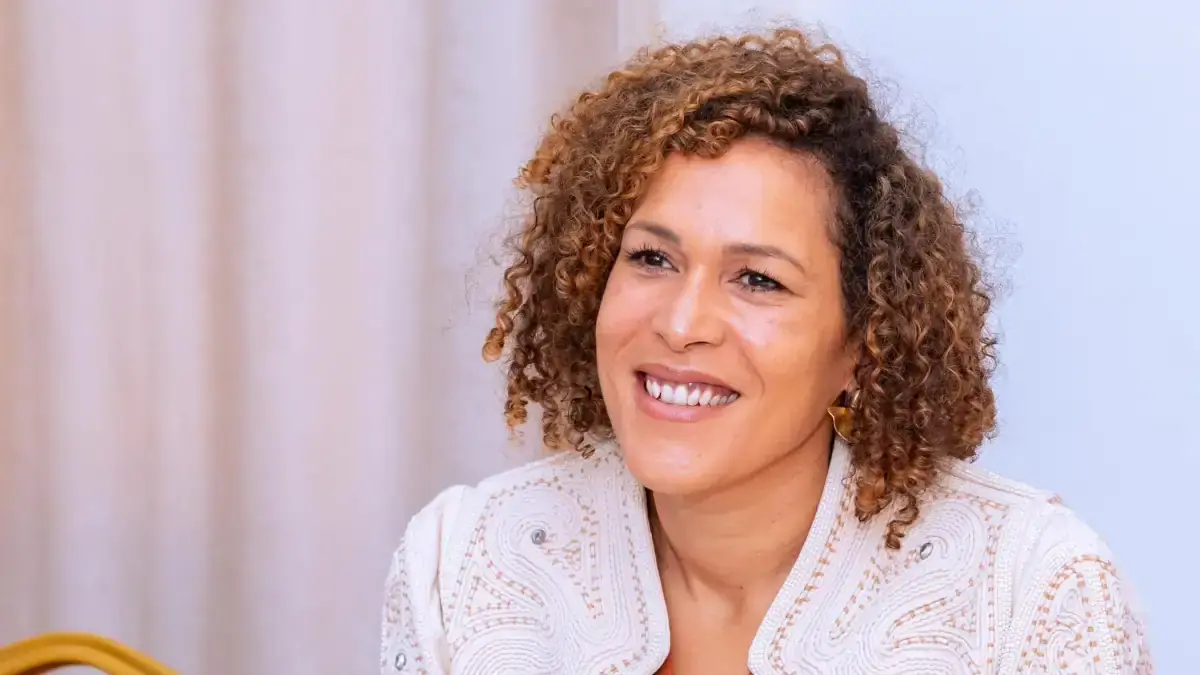
On September 24, 2026, Benin's Foreign Minister, Corinne Amori Brunet, addressed a ministerial session of the African Union's Peace and Security Council in New York, emphasizing the need for accelerated intelligence sharing among African states to effectively counter terrorism. This call to action was made during a meeting held on the sidelines of the 81st session of the United Nations General Assembly. The minister's remarks come at a critical time, with Africa bearing the brunt of global terrorism victims.
The African continent has become the epicenter of global terrorism, with the Sahel region alone accounting for over half of the world's terrorism-related victims in 2025. This alarming statistic has led the US Africa Command to describe the Sahel as the global jihadist threat's epicenter. Benin, currently presiding over the Peace and Security Council (PSC) of the African Union, is leveraging its position to push for enhanced regional cooperation.
As the chair of the PSC, Benin has been proactive in addressing security challenges. Earlier in September, Cotonou hosted a ministerial seminar on the role of women in peace processes, as part of the Swakopmund Process. This initiative underscores Benin's commitment to fostering peace and stability in the region. The country's proactive stance is seen as a crucial step towards addressing the complex security landscape in Africa.
Minister Amori Brunet highlighted the vulnerability of armed groups exploiting delays in information sharing and coordination gaps between neighboring countries. She stressed that good neighborliness does not imply a compromise of sovereignty but requires timely alerts and seamless collaboration between security services and judicial authorities. The minister also underscored the human dimension of border areas, which are often viewed as mere lines separating sovereignties but are, in fact, vibrant spaces for local populations.
The importance of intelligence sharing was also emphasized by Mahmoud Ali Youssouf, President of the African Union Commission. He called for improved cooperation among member states, regional economic communities, and continental mechanisms. Youssouf noted that sharing intelligence and institutional preparedness are cornerstones of the continent's strategy to combat violent extremism. His remarks align with Benin's advocacy for enhanced regional cooperation.
The situation in Africa's border regions demands a nuanced approach, with local actors playing a critical role in shaping security responses. Minister Amori Brunet's intervention at the UN reflects Benin's commitment to advancing the peace and security agenda. By pushing for enhanced intelligence sharing, Benin aims to bolster regional cooperation and address the complex security challenges facing the continent.
As Africa continues to grapple with the scourge of terrorism, Benin's advocacy for intelligence sharing and regional cooperation has gained significance. The country's efforts, as reflected in its proactive stance at the UN and within the African Union, underscore its dedication to fostering peace and stability in the region. The emphasis on collaboration and information sharing is seen as a critical step towards mitigating the terrorist threat in Africa.
Key points
- - Benin's Foreign Minister Corinne Amori Brunet called for accelerated intelligence sharing among African states to combat terrorism at a UN session. - The Sahel region accounts for over half of the world's terrorism-related victims, making it a critical area of focus for regional cooperation. - Enhanced intelligence sharing and institutional preparedness are seen as key strategies in combating violent extremism in Africa.