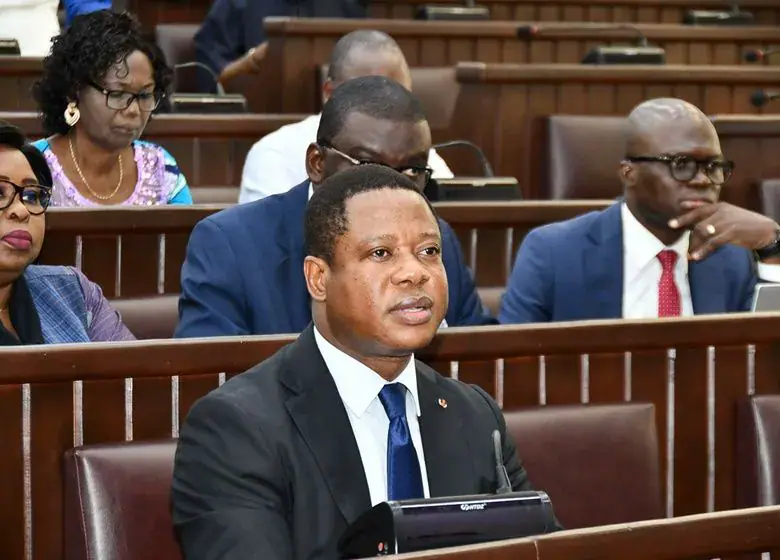
The Benin government has presented its 2027 budget, totaling 18.61 billion FCFA, with a focus on implementing key reforms and investments in public administration. Minister Delegate Rodrigue S. Chaou outlined the main priorities, which include revising the civil and military pension code, rewriting the transparency code in public finance management, and amending the organic law on finance laws. These reforms aim to improve the state's administration and financial management.
One of the primary reforms announced is the revision of the code of civil and military pensions. This change aims to strengthen the financial sustainability of the pension system while securing the rights of pensioners. The reform is part of the government's efforts to ensure a better balance between state obligations and retirees' rights. This issue is crucial for public agents, as their retirement conditions and pension payments are significant social protection concerns.
Another key reform is the rewriting of the code of transparency in public finance management. The goal is to facilitate citizens' access to budget information and enhance their participation in the budget preparation and monitoring process. This change is expected to consolidate accountability mechanisms and make public resource management more transparent for taxpayers. By doing so, the government aims to promote a culture of openness and accountability.
The third major reform involves revising the organic law on finance laws. This change seeks to consolidate result-based budget management and adapt the legal framework to new public finance management requirements. In addition to these reforms, the 2027 budget allocates funds for investments in modernizing public administration. Four major projects will receive priority funding: constructing the General Budget Directorate building, promoting digital transformation in public administration, monitoring administrative performance, and fostering open budget governance.
The 2027 budget prioritizes investment spending, with a focus on these four strategic projects. Minister Chaou emphasized the government's commitment to not only securing funding but also ensuring effective execution. He stated that the government is prepared to report on its progress throughout the year. This approach demonstrates a shift towards a more result-oriented and accountable management of public finances.
In addition to discussing budget allocations, Minister Chaou addressed several social issues, including the recruitment of teacher trainees and preparations for the fourth edition of professional elections. These topics highlight the government's focus on addressing pressing social concerns while implementing administrative reforms. By tackling these issues, the government aims to improve the overall quality of life for citizens and promote sustainable development.
The success of these reforms and investments will depend on the effective implementation of the announced changes and their ability to produce measurable improvements in state functioning and public agents' rights. The government's commitment to transparency and accountability will be crucial in achieving these goals. As the budget is approved and implemented, citizens and stakeholders will be watching closely to assess the impact of these reforms on the country's development trajectory.
Key points
- The 2027 budget focuses on key reforms, including revising the pension code, enhancing financial transparency, and adapting finance laws.
- The budget allocates 18.61 billion FCFA for investments in public administration modernization and strategic projects.
- The government aims to promote accountability, transparency, and result-oriented management of public finances through these reforms.
Reporting sources
- chaou-budget2027-parlement · Banouto