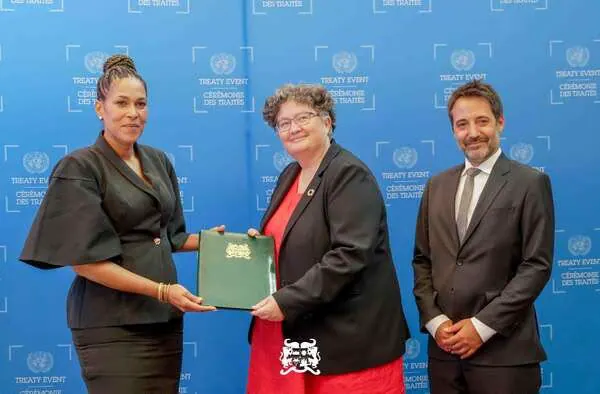
On September 22, 2026, in New York, Benin deposited its instrument of accession to the United Nations Convention on the Protection and Use of Transboundary Watercourses and International Lakes, also known as the 1992 Water Convention. This move reaffirms Benin's commitment to prioritizing dialogue, cooperation, and sustainable management of shared water resources. The goal is to contribute to peace, water security, and preservation of resources for future generations.
Benin's location at the heart of the Niger, Mono, Volta, and Ouémé river basins, which it shares with several sub-regional countries, makes this development particularly significant. The country's new step opens up fresh perspectives for strengthening cooperation with neighboring states, including Niger, Nigeria, Togo, and Burkina Faso, on concerted water management. This cooperation aims to promote a culture of peace and sustainable development in the region.
The Ministry of Energy, Water, and Mines welcomed the momentum generated by President Romuald Wadagni and the commitment of Minister Édouard Dahome to enhancing Benin's international cooperation in the water sector. The Ministry also congratulated Saïd Hounkponou, Director-General of Water, for his role in making this engagement a reality. These efforts reflect the government's dedication to harnessing water as a tool for cooperation, sustainable development, and solidarity.
Through its accession to the Water Convention, Benin aims to make water a lever for cooperation, sustainable development, and solidarity among nations. This approach underscores the country's willingness to strengthen dialogue around shared water resources and promote concerted management in the service of peace and regional development. By doing so, Benin is poised to play a more significant role in regional water diplomacy.
The 1992 Water Convention provides a framework for countries to manage transboundary water resources sustainably and equitably. By joining the Convention, Benin has committed to applying its principles and guidelines to its shared water resources. This commitment is expected to enhance cooperation among riparian states and contribute to the country's water security.
Benin's accession to the Water Convention has been hailed as a significant milestone in its water diplomacy efforts. The move is expected to have a positive impact on the country's relationships with neighboring states and its ability to manage shared water resources effectively. This development also highlights the importance of water as a strategic resource in regional cooperation and sustainable development.
As Benin begins to implement the Water Convention, it is expected to strengthen its institutional capacity to manage transboundary water resources. This will involve collaboration with relevant stakeholders, including government agencies, civil society organizations, and local communities. The goal is to ensure that the country's water resources are managed in a sustainable and equitable manner, contributing to the well-being of its citizens and the region as a whole.
Key points
- Benin deposited its instrument of accession to the UN Water Convention on September 22, 2026.
- The country's accession aims to promote dialogue, cooperation, and sustainable management of shared water resources.
- Benin's move is expected to strengthen cooperation with neighboring states, including Niger, Nigeria, Togo, and Burkina Faso.