Benin's National Assembly has made significant strides in female representation, increasing its number of female deputies from six in 2019 to 28 today. This progress reflects the effectiveness of legal mechanisms aimed at promoting gender equality in politics. However, President of the National Assembly Joseph Fifamin Djogbénou notes that mere representation is not enough to guarantee social, economic, and cultural transformation. He emphasizes that promoting women is crucial not only for their well-being but also for the country's overall development.
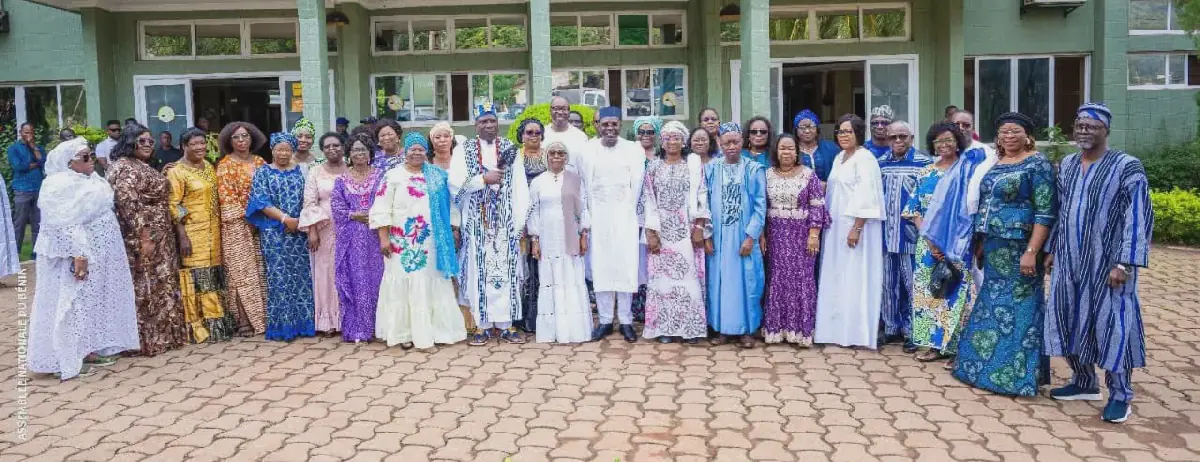
Djogbénou's approach to gender equality goes beyond categorial claims, viewing it as a collective progress requirement. He believes that no nation can fully utilize its potential by sidelining a portion of its human resources from responsibilities and economic opportunities. On October 25, 2026, during the elective general assembly of the Caucus of female deputies in Savalou, Djogbénou urged members to form a "public action group" to promote women and young girls beyond their parliamentary representation.
The Caucus could leverage its influence to support girls' education, economic empowerment, and access to responsibilities. One potential strategy is to allocate a portion of public markets to women-led enterprises within an appropriate legal framework. For example, Togo has implemented a mechanism to support young and female entrepreneurs, while Nigeria's Kaduna State has introduced measures to facilitate access to public contracts for women's businesses.
To ensure that political representation advances are accompanied by real economic opportunities, Benin must implement targeted measures. Examining international experiences can provide valuable insights, but solutions must be adapted to the country's specific context. Djogbénou's call to action highlights the need for a comprehensive approach that goes beyond institutional and economic measures.
The National Assembly president also emphasized the importance of engaging traditional authorities in efforts to strengthen the position of women and young girls within communities. He acknowledged the presence of Dada Gbaguidi XV, the king of Savalou, and invited traditional leaders to support initiatives aimed at promoting gender equality.
Djogbénou's initiative recognizes that advances in law cannot produce their full effects without a shift in attitudes and cultural norms. This approach underscores the need for a multifaceted strategy that addresses both institutional and social barriers to gender equality. By working together, Benin's government, civil society, and traditional leaders can help create a more inclusive and equitable society.
The road ahead will require sustained efforts and cooperation from various stakeholders. As Benin continues to build on its progress in female representation, it must prioritize the development of targeted policies and programs that promote women's empowerment and social change. By doing so, the country can unlock the full potential of its human resources and create a brighter future for all its citizens.
Key points
- Benin's National Assembly has increased its number of female deputies from six in 2019 to 28 today.
- President Djogbénou urges female deputies to form a "public action group" to promote women and young girls beyond their parliamentary representation.
- Benin can draw lessons from international experiences, such as Togo and Nigeria, to inform its own policies and programs aimed at promoting women's empowerment and social change.