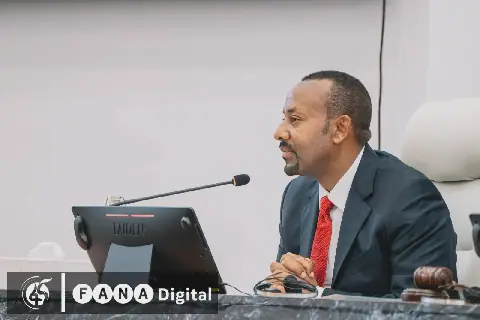
The sixth month of Romuald Wadagni's governance in Benin has been characterized by significant developments that outline the framework for the country's next seven years. The government action program for 2026-2033, approved on November 4, 2026, sets out a roadmap for the country's development, with an average growth rate of 7.7% targeted over the period. This program, dubbed "Le Bénin plus loin, ensemble," aligns with the Vision Bénin 2060 Alafia and the 2026-2035 National Development Plan.
A key component of the program is the creation of the Benin Industrial Development Fund, with an initial capital of 100 billion FCFA. This fund aims to strengthen the equity of enterprises, facilitate access to credit, and support the establishment of industrial units. The fund will operate through three specialized windows. Additionally, the government has launched the sixth phase of the Communal Development Support Fund, which covers 77 communes and focuses on investments and resilience in 27 communes in the north facing security challenges.
In the agricultural sector, the government has authorized the acquisition of 50 solar refrigeration units for seed conservation and four refrigerated trucks. These equipment are expected to improve storage and transportation conditions. The government has also created the National Observatory for Social Progress, tasked with monitoring extreme poverty and the situation of vulnerable populations. Furthermore, a unit to support the Presidential Program for Priority Social Infrastructures has been established.
On the diplomatic front, Benin has been designated as the first pilot country for an artificial intelligence initiative, with the support of UNESCO, and has signed a memorandum of understanding with the Sino-North Africa Education Innovation Association. This initiative includes training and capacity-building actions for young people. The country has also ratified the agreement establishing the African Legal Support Facility, and the Convention on the Elimination of Violence against Women and Girls has been transmitted to the National Assembly for ratification.
Benin has also been designated as vice-president of the Francophonie Ministerial Conference, during its 48th session held in Phnom Penh, Cambodia, from November 14 to 19. The country's governance, under Romuald Wadagni's leadership, is characterized by the consolidation of its programmatic framework and the establishment of new intervention instruments. The next step will be their operationalization, effective financing, and evaluation of their impact on territories and living conditions.
The government's focus on economic development is reflected in the identification of six priority sectors: agriculture, industry, tourism, logistics, education, and energy. The program's financing is expected to come 45% from the public sector and 55% from the private sector. The implementation of these initiatives is expected to have a positive impact on the country's economic growth and social development.
As the government moves forward with the implementation of these new initiatives, it will be crucial to ensure their effective operationalization and financing. The evaluation of their impact on the country's development will also be essential to assess the progress made towards achieving the targets set out in the 2026-2033 government action program.
Key points
- The government has approved the 2026-2033 government action program, which sets out a roadmap for the country's development.
- The Benin Industrial Development Fund has been created with an initial capital of 100 billion FCFA to support industrial development.
- Benin has been designated as the first pilot country for an artificial intelligence initiative, with the support of UNESCO.