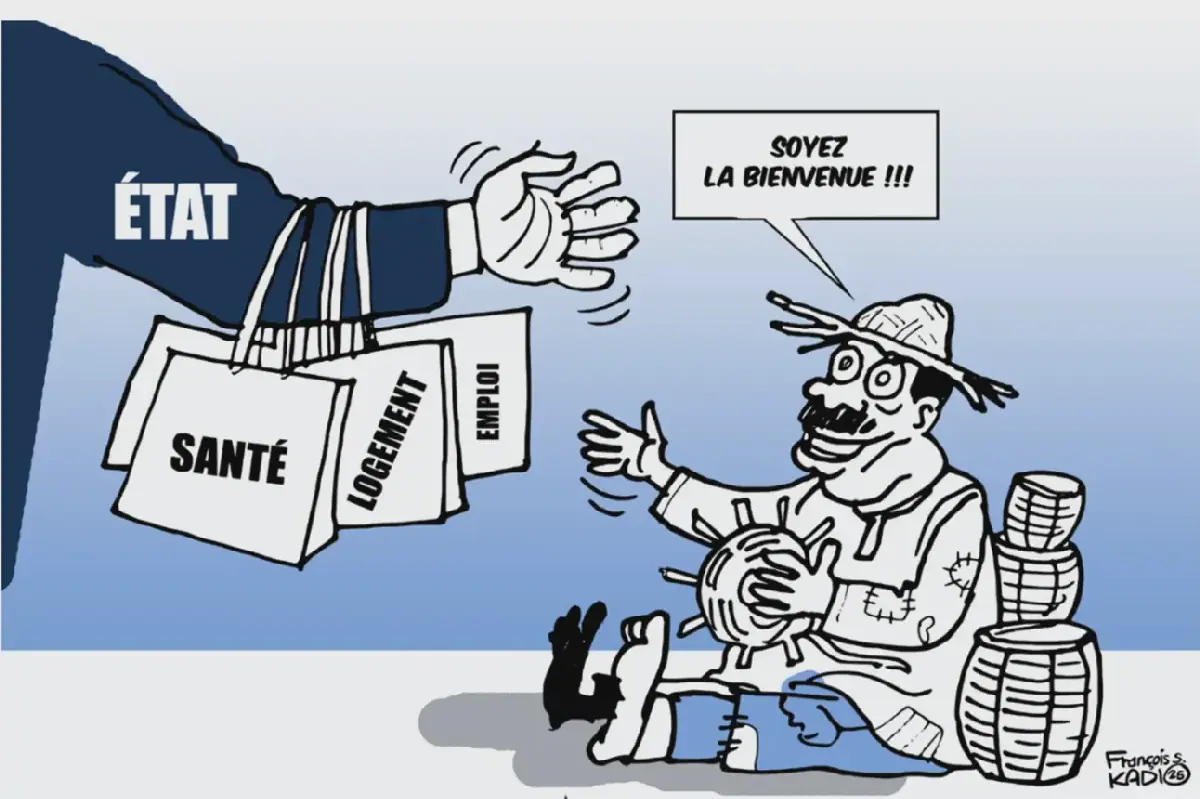
The Benin government's new economic program, PAG 2026-2033, or "Le Bénin plus loin, ensemble," was approved on November 4, 2026, in a cabinet meeting. This program is part of the Vision Bénin 2060 Alafia and the 2026-2035 National Development Plan. Its primary goals include eradicating extreme poverty, expanding the productive base and economic opportunities, and strengthening governance, national cohesion, and security.
The program sets a target of 7.7% average real growth and plans to finance 55% of its portfolio through private funding. A budget deficit of less than 3% of GDP is projected, with six priority sectors identified, including agriculture and energy. Compared to the previous PAG, which targeted 8.3% growth with a 12,011 billion FCFA portfolio financed 52% through public-private partnerships, this new program shows a measured evolution.
A significant development under the new program is the creation of the Benin Industrial Development Fund, with an initial capital of 100 billion FCFA. This fund aims to facilitate financing for industrial enterprises, share risks with banks, and promote the establishment of ready-to-use factories in development hubs. Three mechanisms are planned: financial support for enterprises, industrial guarantee facilities, and the provision of production units.
The program is structured into two phases: the implementation of projects from 2026 to 2029 and their consolidation until 2033. Annual performance contracts will be signed between each minister and the head of state. A results chain is also envisioned to link mobilized resources to achievements and their impacts. However, several uncertainties remain, including the detailed portfolio, its overall cost, and its distribution by project.
The credibility of the program will be measured by the actual financing mobilized, the projects implemented, and the effects on employment and national production. The program's success hinges on attracting investors willing to commit, given that 55% of financing is to come from private sources. This aspect will be crucial in determining the program's overall impact.
The new economic program builds on previous ambitions with some adjustments. The shift towards a higher private financing share and the establishment of the Industrial Development Fund indicate a strategic focus on industrial growth and private sector involvement. These changes reflect an effort to enhance economic resilience and competitiveness.
As the program unfolds, its effectiveness will be closely monitored through the implementation of projects and the achievement of set targets. The government's ability to mobilize private financing and the subsequent impact on the economy will be critical indicators of the program's success. The coming years will reveal the tangible outcomes of this ambitious economic strategy.
Key points
- The program aims for 7.7% average real growth and a deficit below 3% of GDP.