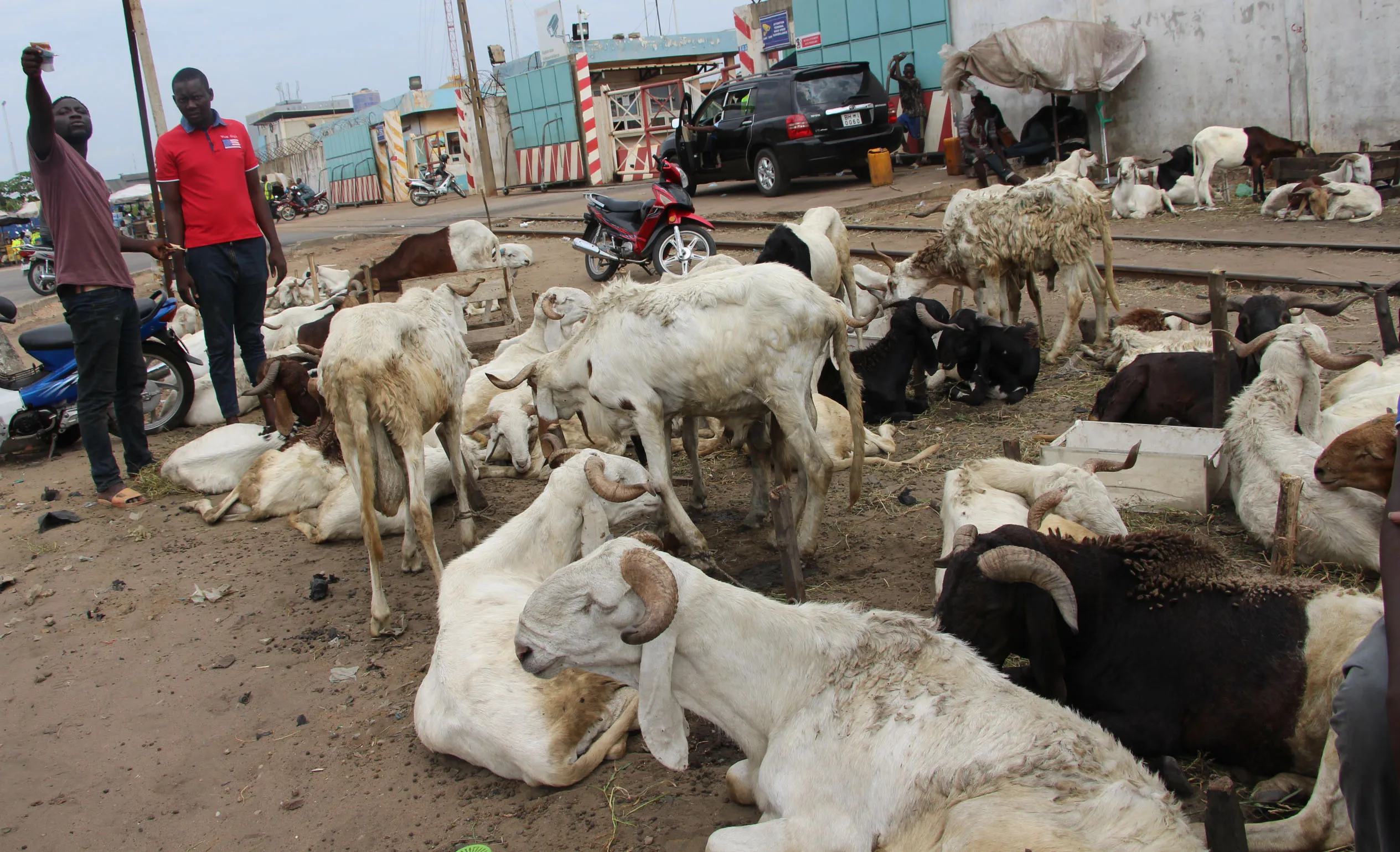
The livestock market in Benin has experienced significant changes in recent months. According to a report by La Nation, the prices of ovine and caprine have increased, while the prices of bovine have slightly decreased. In August 2026, the prices of bovine dropped by 2% compared to July, with a more notable decline in the prices of oxen and bulls.
The prices of ovine and caprine, however, have seen a considerable increase. The prices of ovine rose by 4% in August, with antenais, antenaises, belliers, and brebis experiencing a 5%, 6%, 5%, and 2% increase, respectively. On certain markets, the prices of ovine have surged significantly, with Tota à Dogbo, Guéné à Malanville, Ouèssè, and Nikki recording increases of 16%, 15%, 14%, and 12%, respectively.
Over the past 12 months, the prices of ovine have increased by 14% on average, attributed to the rise in transportation costs and external demand. Caprine prices have also seen a monthly increase of 8%, with boucs, chèvres, and chevrettes experiencing a 16%, 6%, and 10% increase, respectively. Some markets have recorded even higher increases, including Adjarra, Nikki, and Ouèssè.
The most significant development in the livestock market is the improvement in the terms of exchange for breeders. In August, a medium-conformation buck could acquire 2.8 sacks of 100 kg maize, compared to 2.2 sacks in July and 1.8 sacks in August 2025. This represents a 25% increase on a monthly basis and 52% on a yearly basis.
The improvement in the terms of exchange is due to the decline in maize prices, which has enhanced the purchasing power of breeders. Despite the fluctuations in livestock prices, the ability of breeders to exchange their products for essential goods has increased. This indicator is more relevant to the relative purchasing power of producers than the sole price of sale of animals.
The trend is less favorable on the consumption side, with the price of bovine meat increasing by 2% between July and August and 10% over the past year. The kilogram of bovine meat with bones sold for an average of 2,400 Fcfa. The price of ovine meat remained stable on a monthly basis but increased by 5% over the past year to around 2,700 Fcfa per kilogram.
Internationally, the FAO index of meat prices stood at 127.9 points in August, up 1% from July. The global prices of bovine meat declined, while those of ovine meat appreciated. The changes in the livestock market in Benin reflect the complexities of the global meat market and the local factors influencing the prices of livestock and meat.
Key points
- The prices of ovine have increased by 14% over the past 12 months.
- The terms of exchange for breeders have improved significantly due to the decline in maize prices.
- The price of bovine meat has increased by 10% over the past year.