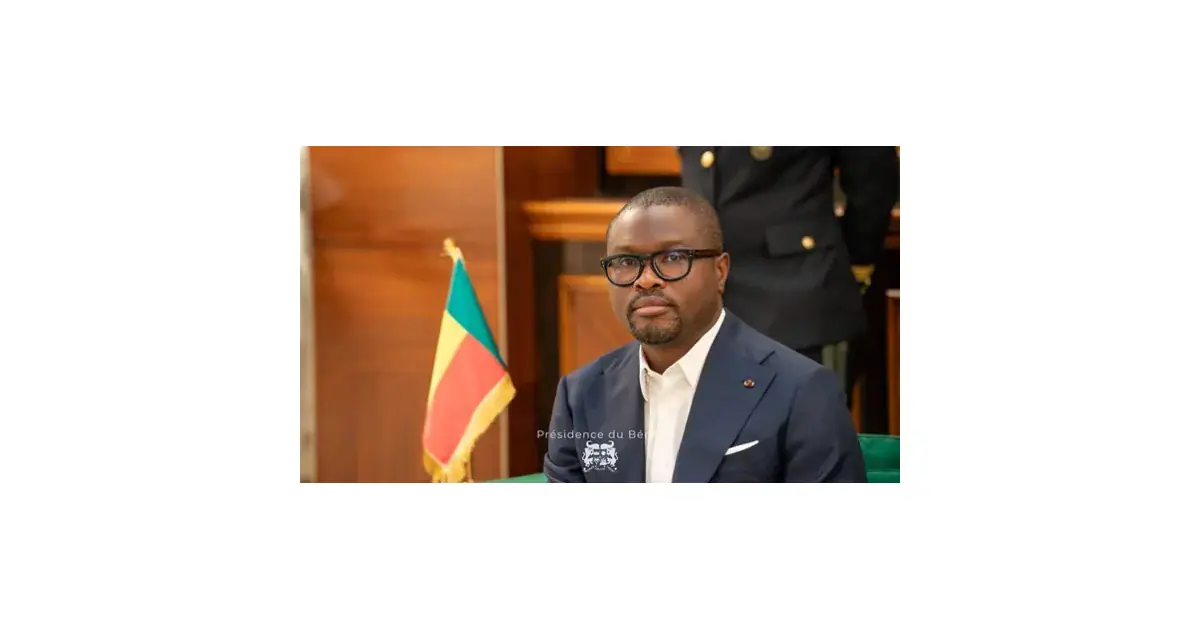
On November 4, 2026, the Beninese government, led by President Romuald Wadagni, adopted its 2026-2033 action program, which outlines the country's development goals for the next seven years. The program, dubbed "Le Bénin plus loin, ensemble," aims to consolidate previous progress and amplify its benefits for the population. It is part of the Vision Bénin 2060 ALAFIA and the 2026-2035 National Development Plan.
The program focuses on three main objectives: eradicating extreme poverty, expanding the productive base and economic opportunities, and strengthening governance, national cohesion, and security. The government plans to improve living conditions by strengthening healthcare and social protection systems, enhancing the living environment, and increasing access to essential services. This will help create an environment conducive to the well-being of all Beninese citizens, regardless of their place of residence.
To achieve these goals, the program identifies six key sectors: agriculture, industry, tourism, logistics, education, and energy. The government aims to create value locally, diversify the economy, and formalize activities. This will help increase the country's productive capacity and create new economic opportunities. The program also emphasizes the importance of technology in supporting public services, productivity, and access to markets.
The program sets a target of 7.7% average real economic growth between 2026 and 2033. It also aims to maintain a budget deficit below 3% of GDP. The program's financing will rely mainly on the private sector, with 55% of resources expected to come from private investors and 45% from the public sector. The program will be implemented in two phases: a first phase from 2026 to 2029, focused on project implementation, and a second phase from 2030 to 2033, focused on consolidation.
The program's implementation will be monitored through a modular portfolio of projects and annual performance contracts between ministers and the President. A results chain will link resources mobilized to achievements, results, and expected impacts. The program also emphasizes territorialization, adapting interventions to the strengths and needs of the country's six development poles.
The government plans to promote an effective, accessible, and citizen-friendly state. This will involve modernizing the public administration, strengthening accountability, and consolidating justice, security, and the country's international position. The program aims to create a more favorable business environment and increase access to services and opportunities for all citizens.
The action program is a key component of President Wadagni's vision for Benin's development. Its implementation will require close collaboration between government agencies, the private sector, and civil society. The program's success will depend on effective monitoring and evaluation, as well as the government's ability to mobilize resources and implement projects efficiently.
Key points
- The program aims to achieve 7.7% average real economic growth between 2026 and 2033.
- The program focuses on three main objectives: eradicating extreme poverty, expanding the productive base and economic opportunities, and strengthening governance.
- The program's financing will rely mainly on the private sector, with 55% of resources expected to come from private investors.