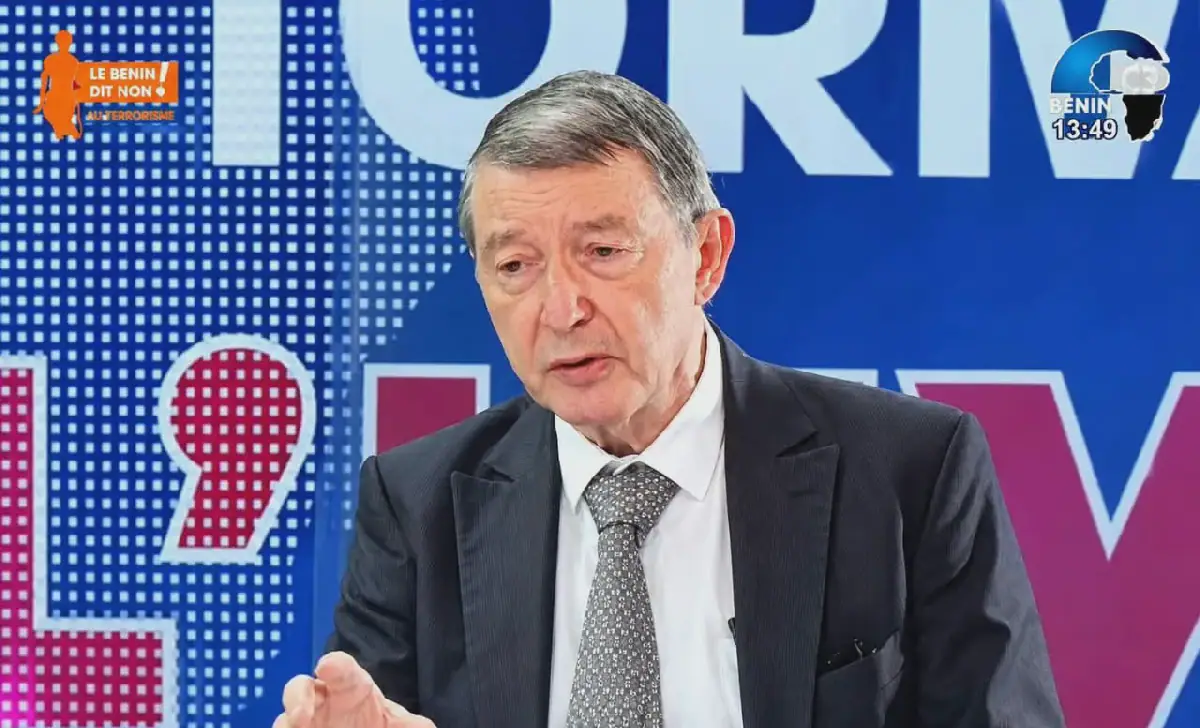
On November 29, 2026, Roland Riboux, president of the Private Investors Council of Benin, appeared on Canal3 Benin's Grand Format program to discuss the country's energy security and industrialization. He advocated for the adoption of civil nuclear energy to strengthen Benin's energy security. Riboux emphasized the need for the country to anticipate its future energy needs and explore the possibilities offered by nuclear energy. He cited the experiences of Ghana and Rwanda, which are preparing their nuclear programs, as examples for Benin to follow.
Riboux proposed the creation of a Beninese Atomic Energy Agency and the training of national skills to oversee the development of nuclear energy in the country. He believes that small modular reactors could gradually meet Benin's energy needs, producing electricity continuously and reducing dependence on fluctuations in gas and oil prices. According to Riboux, this approach requires a genuine national strategy and cooperation with countries already engaged in this path. The president of the Private Investors Council emphasized that nuclear energy could be a strategic option for Benin's industrialization and energy sovereignty by 2060.
Addressing concerns about nuclear safety, accidents, and radioactive waste, Riboux highlighted the technological progress in the sector, particularly in small modular reactors. He mentioned the safety devices of these reactors and the support of the International Atomic Energy Agency. Riboux also noted that ongoing research could improve the treatment of radioactive waste. On the financial front, he cited the example of a 50-megawatt module, which could cost up to 500 million euros, and proposed a public-private partnership financing model.
Riboux estimated that Benin would need five to ten years to fulfill the preparatory conditions for nuclear energy development. The construction and installation of equipment would then require two to four years. He stressed the importance of training human resources and suggested creating a chair dedicated to nuclear energy in Beninese universities, particularly in Ouidah. Riboux also recommended establishing a Beninese Atomic Energy Agency to oversee studies, coordinate partnerships, prepare the regulatory framework, and raise public awareness.
According to Riboux, the development of nuclear energy in Benin would require a significant investment of around 500 million euros for a 50-megawatt module. He proposed a financing model that would involve a partnership between the state, international investors, and constructors. This approach would allow Benin to benefit from the expertise and resources of international partners while developing its own nuclear energy capabilities.
The adoption of nuclear energy in Benin could have significant implications for the country's industrialization and energy sovereignty. Riboux believes that nuclear energy could provide a reliable and sustainable source of electricity, reducing Benin's dependence on imported fuels and promoting economic growth. He emphasized that the development of nuclear energy would require a long-term commitment from the government and the private sector.
As Benin considers its energy future, Riboux's advocacy for nuclear power highlights the need for a comprehensive strategy to address the country's energy needs. The government will need to weigh the potential benefits and risks of nuclear energy and engage in a national dialogue about the role of nuclear power in Benin's energy mix. With the right approach, nuclear energy could become a key component of Benin's energy security and industrialization strategy.
Key points
- Roland Riboux advocates for the creation of a Beninese Atomic Energy Agency to oversee the development of nuclear energy in the country.
- The development of nuclear energy in Benin could require an investment of around 500 million euros for a 50-megawatt module.
- Riboux proposes a public-private partnership financing model to support the development of nuclear energy in Benin.