The situation of domestic workers in Benin remains a pressing concern for trade unions. Appolinaire Affewe, Secretary General of the National Union of Workers of Benin (Unstb), recently spoke on national television about the working conditions of domestic workers and the challenges related to recognizing and protecting their rights. Domestic workers, including house employees, domestic helpers, cooks, guards, and other personnel assigned to domestic tasks, constitute a significant workforce in many households. Their contribution to household organization is substantial, but they also face essential questions regarding their employment conditions, remuneration, working hours, rest, and social protection.
The formalization of professional relationships is a major issue to ensure greater security for both workers and employers. According to Affewe, the issue of domestic workers cannot be addressed solely from the perspective of employment; it also relates to the dignity of work and the need to make known the rights and obligations of each party. Sensitization is crucial in this context, as workers must be aware of their rights and have mechanisms to assert them in case of difficulties. Employers must also be better informed about their responsibilities and the rules governing the employment relationship.
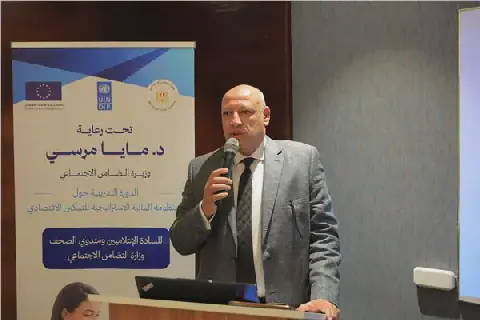
Affewe's intervention on national television, themed "domestic work, understanding its legal framework," contributed to the debate on improving working conditions in the domestic sector. It highlighted the need for continued dialogue between trade unions, public authorities, employers, and workers to strengthen protection for this professional category. The domestic work sector remains largely present in households, and its recognition and regulation constitute a significant social issue.
The lack of formal employment relationships often leaves domestic workers in informal settings, making it difficult for them to access their rights. Many domestic workers face challenges related to their working conditions, including long working hours, low remuneration, and limited access to social protection. The Unstb and other trade unions have been advocating for better working conditions and greater protection for domestic workers.
To address these challenges, Affewe emphasized the importance of collaboration between stakeholders, including trade unions, public authorities, employers, and workers. This collaboration aims to strengthen the protection of domestic workers and promote more balanced and respectful employment relationships. The issue of domestic workers' protection requires a comprehensive approach that takes into account the complexities of the sector.
The Beninese government has a crucial role to play in addressing the challenges faced by domestic workers. By working with trade unions and other stakeholders, the government can help establish a more favorable environment for domestic workers. This includes developing and implementing policies that promote formal employment relationships, protect workers' rights, and provide access to social protection.
Ultimately, the protection of domestic workers in Benin requires sustained efforts from all stakeholders. By prioritizing the rights and dignity of domestic workers, Benin can promote more equitable and respectful employment relationships in the domestic sector. This will not only benefit domestic workers but also contribute to the country's social and economic development.
Key points
- Appolinaire Affewe calls for greater protection and recognition of domestic workers' rights in Benin.
- The formalization of professional relationships is crucial to ensuring greater security for domestic workers and employers.
- Collaboration between stakeholders is essential to strengthening the protection of domestic workers in Benin.