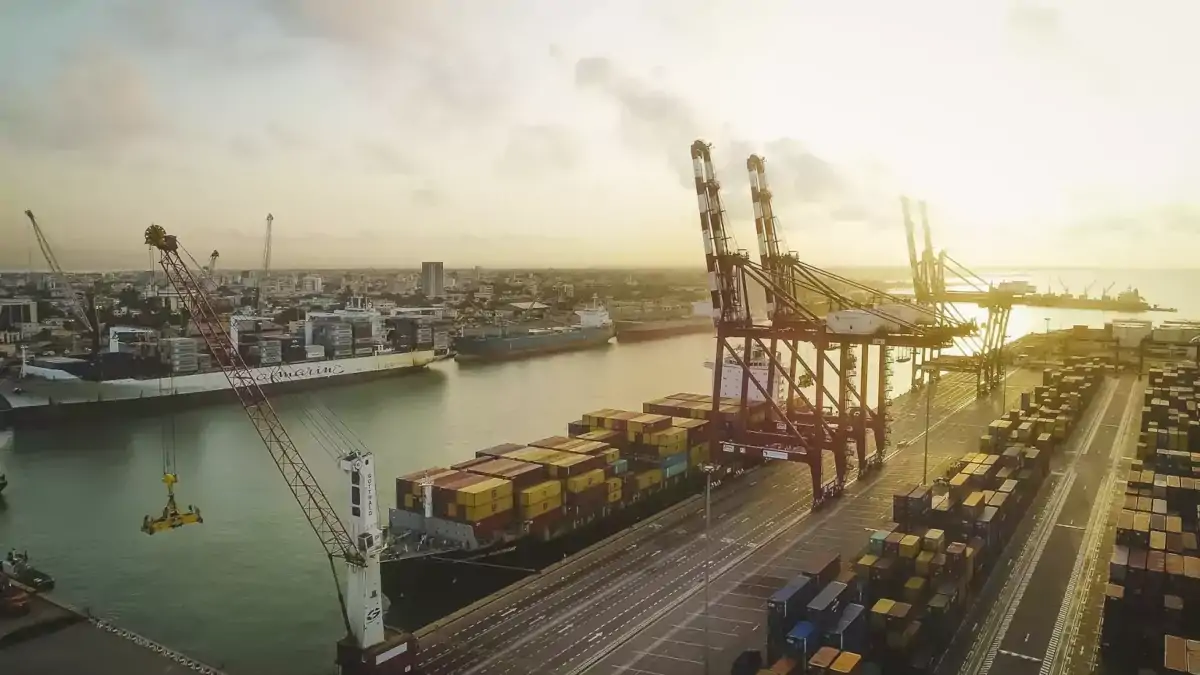
The Port autonome de Cotonou (PAC) in Benin has seen a significant shift in its transit trade, with Burkina Faso emerging as a key market. In 2025, the port handled nearly 1 million tonnes of goods destined for Burkina Faso, primarily hydrocarbons. This development was announced by Kévin Potier, director of commercial operations at PAC, during the Média Connect 2026 conference held in Cotonou from October 1-2, 2026.
The Cotonou Port plays a vital role in the region's trade, with approximately 90% of Benin's external trade passing through the port. It generates 45-50% of the country's tax revenue, according to the Ministry of Economy and Finance. In 2025, the port's traffic reached 14.7 million tonnes, a 52% increase from 9.6 million tonnes in 2024. This growth underscores the port's importance in facilitating trade for landlocked countries, including Burkina Faso and Niger.
The Média Connect 2026 conference, organized by PAC, aims to engage with the press and discuss key issues affecting the port. This event follows the first edition held in 2025, which focused on managing the crisis caused by the closure of Niger's borders in July 2023. The conference provides a platform for stakeholders to share insights and updates on the port's operations and developments.
According to the commercial director of PAC, 39.2% of the port's traffic was in transit last year, with 16% destined for Burkina Faso. The port's strategic location makes it an essential hub for trade in the region. Meanwhile, Niger's role in the port's transit trade has declined, although the country still utilizes the Sèmè-Podji platform, near Cotonou, to export its oil.
The Sèmè-Podji platform has handled significant volumes of Nigerien oil, with approximately 4.3 million tonnes of crude processed last year. While Niger's business at the Cotonou Port has decreased, the country remains a key player in the region's trade, albeit through alternative channels. The shift in trade dynamics highlights the evolving nature of regional commerce.
The growth of the Cotonou Port's transit trade with Burkina Faso has contributed to its increased traffic. The port's efficient operations and strategic location make it an attractive option for landlocked countries. As the regional trade landscape continues to evolve, the Cotonou Port is likely to maintain its position as a critical hub.
The developments at the Cotonou Port underscore the importance of adapting to changing trade patterns. With Burkina Faso emerging as a key market, the port is poised to continue its growth trajectory. The port's commercial director and other stakeholders will likely continue to engage with the press and trade partners to ensure the port remains a vital component of regional commerce.
Key points
- The Cotonou Port handled nearly 1 million tonnes of goods destined for Burkina Faso in 2025.
- The port's traffic reached 14.7 million tonnes in 2025, a 52% increase from 2024.
- Niger's oil exports have shifted to the Sèmè-Podji platform, near Cotonou.