Benin has emerged as one of Africa's stronger economic performers, with an estimated growth of 8.1% in 2025, according to the African Development Bank's 2026 Country Report. This growth represents an acceleration from 7.5% in 2024, highlighting the momentum generated by investment and expanding productive activity. The Bank expects growth to remain above 7% in both 2026 and 2027.
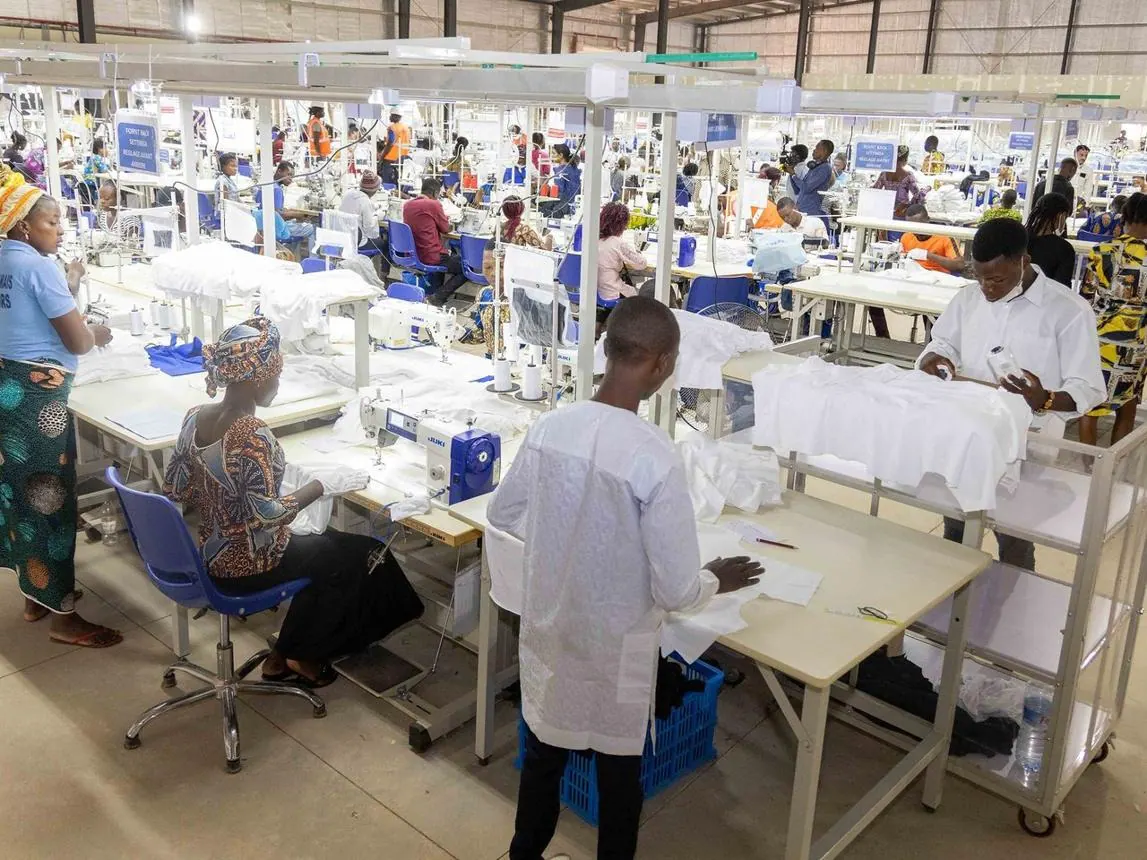
The country's strategic position in West Africa and access to regional markets make it an attractive destination for investors. The Glo-Djigbé Industrial Zone (GDIZ), the expansion of the Port of Cotonou, and emerging extractive opportunities are among the assets that could help deepen industrialisation and increase productive capacity. The GDIZ is crucial to Benin's ambition to move into value-added production.
Benin's position within the West African Economic and Monetary Union and ECOWAS markets provides investors with access to a wider regional consumer base. Improvements in transport, logistics, and trade infrastructure could further strengthen this advantage and support the movement of goods across West Africa. The country's improving economic framework is another factor attracting attention.
The African Development Bank reports progress in tax administration, digital public services, and budget transparency, reforms that can strengthen investor confidence and improve government service efficiency. However, the growth story comes with significant financing needs, with Benin requiring approximately $2.43 billion annually through 2030 to accelerate its economic transformation.
The financing requirements are major in transport, energy, education, and innovation. More than one-third of the population remains in poverty, while infrastructure, human capital, and industrialisation gaps still need to be addressed. The Bank has identified ways Benin could expand its financing capacity, including stronger domestic resource mobilisation and public-private partnerships.
Deeper integration with the pan-African banking system could help channel more long-term capital into productive investment. Benin's recent performance presents an opportunity to convert economic growth into broader structural transformation. The challenge is ensuring that investment reaches productive sectors, creates jobs, strengthens infrastructure, and expands opportunities for the wider population.
With growth projected to remain above 7% through 2027, Benin has a strong platform to pursue its next phase of development. The country's ability to mobilise the capital required for industrialisation will determine how effectively its current economic momentum can translate into lasting and inclusive prosperity.
Key points
- Benin's economy grew by 8.1% in 2025, driven by construction, manufacturing, and strong public and private investment.
- The country requires approximately $2.43 billion annually through 2030 to accelerate its economic transformation.
- Benin's strategic position in West Africa and access to regional markets make it an attractive destination for investors.