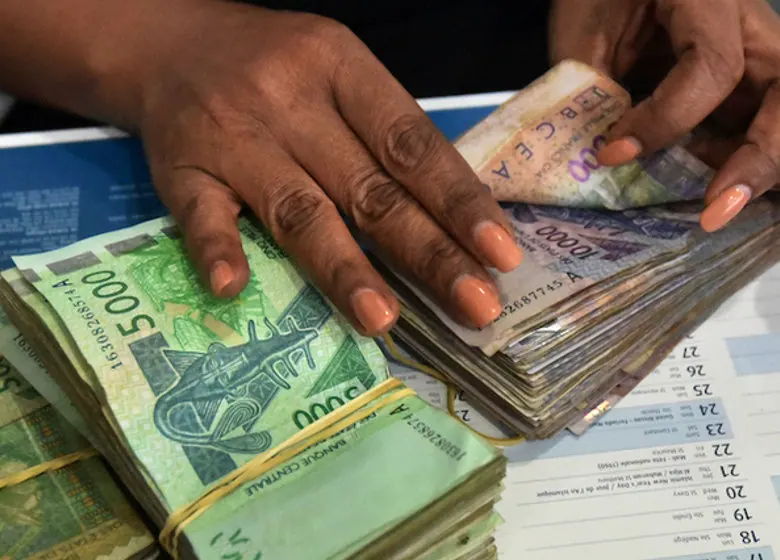
The government of Benin has adopted its 2027 budget plan, with a total expenditure of 4,757.029 billion FCFA ($4.76 billion). This represents a 14.7% increase from the 2026 revised budget of 4,148.357 billion FCFA. The budget plan was approved by the Council of Ministers on October 7, 2026, and transmitted to the National Assembly for review. The government's goal is to maintain strong economic growth while continuing to fight poverty.
The 2027 budget plan is based on an economic growth rate of at least 8%, a budget deficit of 2.8% of GDP, and an inflation rate of 2%, which is below the 3% ceiling set by the West African Economic and Monetary Union (UEMOA). To achieve these objectives, the government has identified five key areas to focus on: modernizing agriculture, promoting industry, valorizing tourism and culture, accelerating technological innovation, and strengthening human capital.
The government plans to prioritize investments in sectors that can have a lasting impact on the economy and living conditions. These sectors include education, healthcare, social protection, agriculture, energy, water, digital transformation, industry, and tourism. The goal is to create a high-quality physical and human capital to support the structural transformation of the economy and facilitate access to basic social services and job insertion for young people.
The 2027 budget plan places a strong emphasis on social development. Expenditures with a social impact are expected to reach 1,597.533 billion FCFA, up from 1,285.37 billion FCFA in 2026. The government plans to continue and expand the ARCH program, introduce free tuition for girls in general and technical secondary education, and universalize school canteens. Additionally, the GBESSOKE program will be scaled up to provide cash transfers to extremely poor households to support their income-generating activities.
The government also plans to establish a national platform for social benefits and an emergency social assistance program. In the healthcare sector, priorities include vaccination, malaria control, and maternal health. Five new zone hospitals will be built, and departmental hospitals and university hospitals will be rehabilitated and equipped.
The budget plan also includes initiatives to improve education, employment, and decentralization. The government plans to continue building and rehabilitating high schools, equipping institutions with furniture, and deploying tele-education. The recruitment of teacher trainees on a competitive basis is also planned, as well as the reform of the automatic career advancement system for state agents. Furthermore, the government aims to give more resources to local authorities through the Communal Investment Fund and new financing mechanisms.
The 2027 budget plan aims to achieve a dual objective: accelerating economic growth without neglecting social development. The National Assembly will now review the budget plan and its underlying choices and means. The government's goal is to implement the budget plan in a way that benefits the population and supports the country's economic and social development.
Key points
- The 2027 budget plan focuses on economic growth and social development, with a strong emphasis on education, healthcare, and social protection.
- The government plans to prioritize investments in sectors that can have a lasting impact on the economy and living conditions.
- The budget plan aims to achieve a dual objective: accelerating economic growth without neglecting social development.