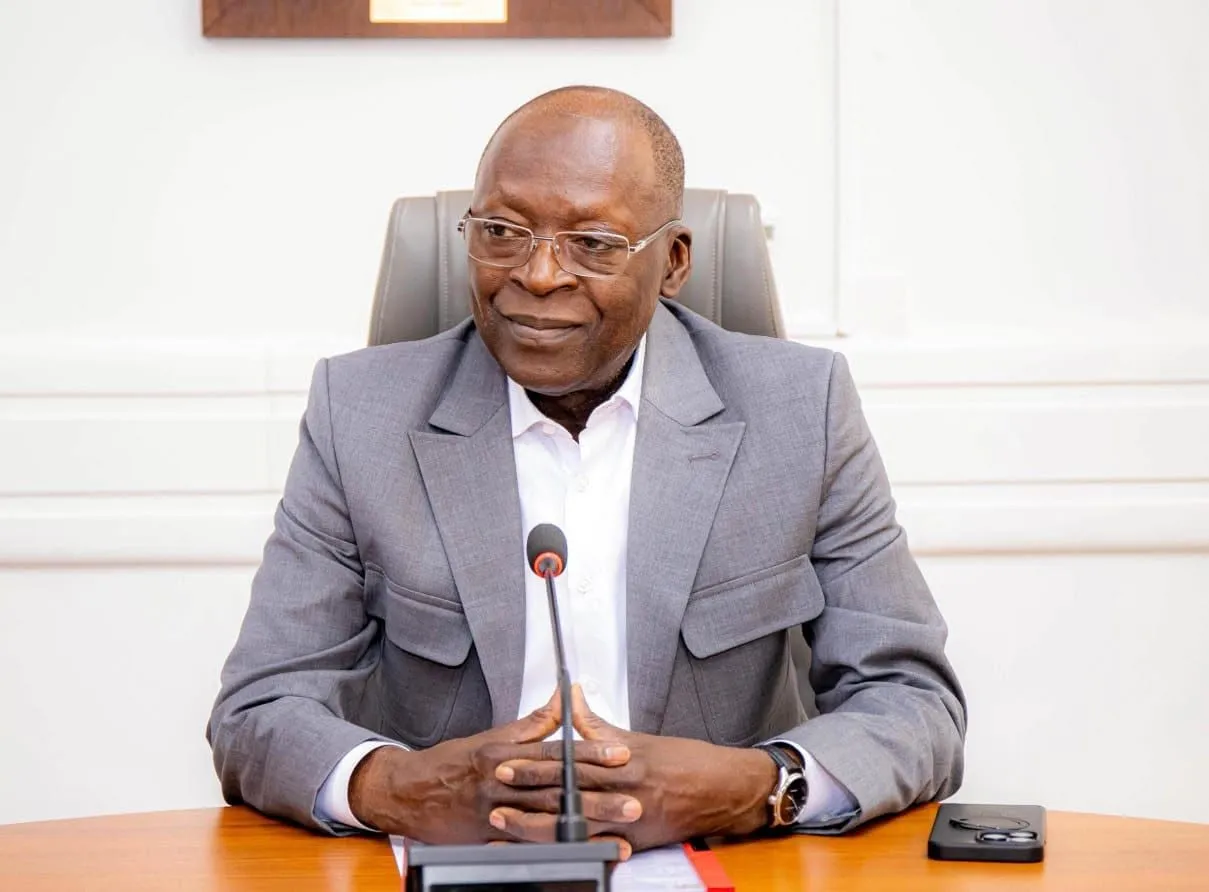
The Beninese government, led by Abdoulaye Bio Tchané, has presented its 2027 budget plan, totaling 4,757.029 billion FCFA, marking a 14.7% increase from the revised 2026 budget of 4,148.357 billion FCFA. This growth aims to support an economic expansion of at least 8%, while maintaining a budget deficit of 2.8% of the Gross Domestic Product, in line with the West African Economic and Monetary Union (UEMOA) convergence criterion.
The 2027 budget focuses on five key sectors: modernizing agriculture, promoting industry, valorizing tourism and cultural heritage, technological innovation, and strengthening human capital. Public investments will prioritize education, healthcare, water, energy, agriculture, digital development, and economic infrastructure. A significant portion of the budget, 1,597.533 billion FCFA, will be dedicated to social spending, up from 1,285.37 billion FCFA in 2026, to support households and vulnerable populations.
The government's social spending plan includes continuing and expanding programs for vulnerable groups, such as the Assurance for Human Capital Reinforcement (ARCH) and the free tuition policy for girls in general and technical secondary education. Additionally, the government will consolidate the Gbessoké program, which provides cash transfers to extremely poor households to support their income-generating activities.
The healthcare sector will receive significant attention, with plans to build five new zone hospitals, rehabilitate and equip departmental and university hospitals, and strengthen nutrition, vaccination, and maternal health programs. The government also aims to improve living conditions and employment prospects by constructing and rehabilitating high schools, upgrading university infrastructure, and developing e-learning.
To enhance education, the government plans to recruit aspirant teachers based on their qualifications, reform the automatic promotion system for state agents, and improve school infrastructure. Locally, the government will strengthen commune financing through the operationalization of the Communal Investment Fund (FIC) and the territorial economic division mechanism, enabling local authorities to mobilize resources and access diversified financing.
The 2027 budget plan also focuses on improving the business environment and supporting economic growth. The government aims to create a favorable climate for private sector development, while ensuring the continuity of public services. The budget will be submitted to the National Assembly for examination and approval.
With a significant allocation of over a third of the budget to social spending, the 2027 budget plan reflects the government's commitment to improving the well-being of Beninese citizens. The plan's implementation will be closely monitored to ensure its effectiveness in achieving the desired economic and social outcomes.
Key points
- The 2027 budget plan allocates 1,597.533 billion FCFA for social spending, up from 1,285.37 billion FCFA in 2026.
- The budget plan aims to support an economic expansion of at least 8%, while maintaining a budget deficit of 2.8% of the Gross Domestic Product.
- The government will prioritize investments in education, healthcare, water, energy, agriculture, digital development, and economic infrastructure.