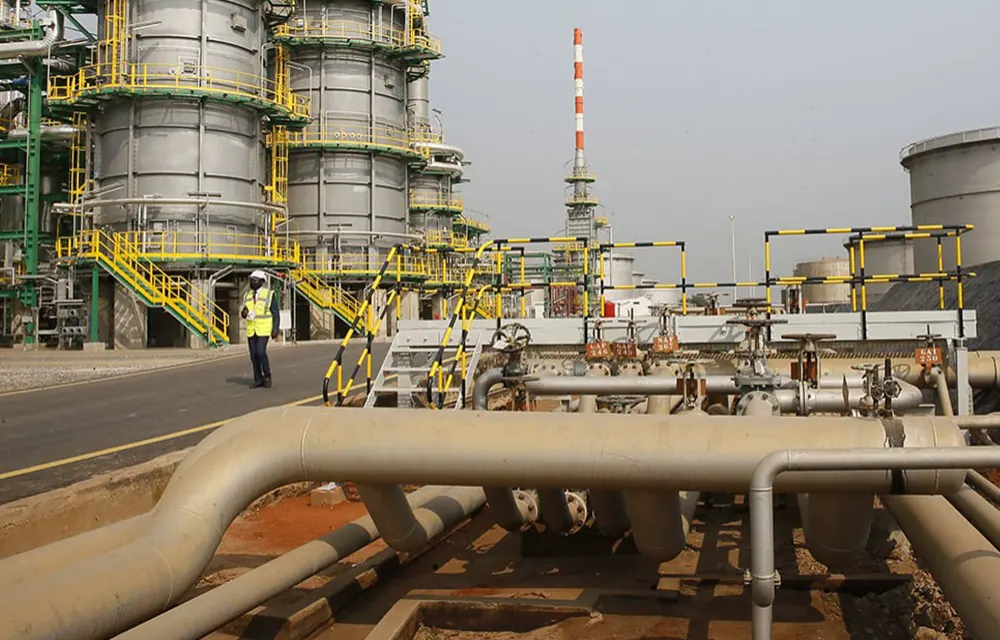
Benin is set to revive its oil production with a shipment of 250,000 barrels of crude oil expected in October 2026. The country's economy is anticipated to benefit from this development, which marks a return to an activity that was once a part of its economic history. The Sèmè oil field, where the oil will be extracted, was previously exploited from the 1980s until the late 1990s.
The revival of oil production comes at a time when Benin is seeking to consolidate its economic momentum, enhance its attractiveness, and diversify its revenue streams. The country already has several growth drivers, including agriculture, infrastructure, services, trade, logistics, and industry. The oil sector is expected to provide an additional source of revenue, foreign exchange, and industrial opportunities.
However, experts caution that Benin should not be considered a major oil power with this shipment. The volume of 250,000 barrels is significant for the country but relatively modest compared to other African producers. The focus should be on leveraging this resource to accelerate the country's ongoing economic transformation rather than building the economy around oil.
The Sèmè oil field has been exploited before, and its production began in the early 1980s. The field's previous experience offers valuable lessons that can be applied to the current revival. The return of oil production presents an opportunity for Benin to structure its economy and ensure that the benefits of the oil sector are maximized.
The financial benefits of oil production are a significant interest for Benin. The commercialization of crude oil can generate revenue for the state and contribute to financing public policies. It can also improve foreign exchange inflows and support the balance of trade. However, the actual revenue available for the national budget will be a portion of the value created, after deducting production costs, contractual obligations, and other expenses.
The debate should focus on Benin's ability to capture a significant share of the value generated by oil exploitation. The issue of local content becomes crucial in this context. A thriving oil industry involves various sectors, including engineering, maintenance, logistics, transportation, security, insurance, law, finance, environment, port services, and training. If these services are primarily provided by foreign companies, the benefits to the Beninese economy will be limited.
To maximize the benefits of the oil sector, Benin needs to develop its local industry and ensure that the various services required for oil production are provided by local companies. This approach will enable the country to retain a larger share of the revenue generated and create more jobs and opportunities for its citizens.
Key points
- The shipment of 250,000 barrels of crude oil marks a significant milestone in Benin's economic development.
- The country's focus should be on leveraging the oil sector to accelerate its ongoing economic transformation.
- The development of local content is crucial to maximizing the benefits of oil production for the Beninese economy.