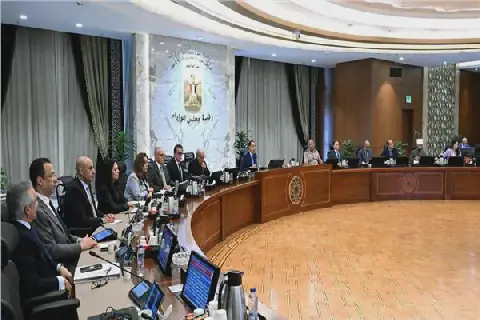
A meeting was held at the Cotonou city hall on October 6, 2026, between Benin's College of Ministerial Advisors, the Mayor of Cotonou, Luc Gnacadja, the Prefect of the Littoral, Gilbert Déou Malè, and community relays from the Littoral department. The discussion focused on the government's measure to provide emergency care in public hospitals. The Ministerial Advisors, comprising Jeanne Adanbiokou Akakpo, Rosine Dagniho, Paulin Gbénou, and Patrice Nombime Agbodranfo, aimed to inform and gather feedback on the implementation of this measure.
The meeting was part of the government's efforts to engage with stakeholders and ensure the effective implementation of public reforms. The College of Ministerial Advisors sought to assess the progress of emergency care in health centers and hospitals, and gather proposals for improvement. According to Jeanne Adanbiokou Akakpo, the objective was to monitor and evaluate the implementation of emergency care with community relays and hospital coordinators in the Littoral department.
Rosine Dagniho, Ministerial Advisor for Health, emphasized that the meeting would enable community relays to play a vital role in informing, orienting, and reporting concerns from the field. She outlined the expectations for community relays, including disseminating simple and harmonized messages on emergency care, strengthening their capacity for orientation, and providing attention to vulnerable individuals.
The government has already made significant progress in implementing emergency care in public hospitals. According to Josiane Azé, Director of the Littoral Departmental Health Service, over 2000 patients have benefited from this measure in public hospitals within the Littoral department. The Ministerial Advisors aim to build on this progress and address any challenges in providing emergency care.
The meeting also provided an opportunity for community relays to share their experiences and provide feedback on the implementation of emergency care. The Ministerial Advisors encouraged community relays to go beyond simply transmitting information and to take a more proactive role in promoting emergency care. By engaging with community relays, the government aims to ensure that emergency care is accessible and effective.
The government's measure to provide emergency care in public hospitals is part of its efforts to improve healthcare services and protect vulnerable populations. By strengthening the capacity of community relays and improving emergency care, the government aims to reduce mortality rates and improve health outcomes. The meeting marked an important step in this process.
The College of Ministerial Advisors will continue to engage with stakeholders to ensure the effective implementation of emergency care in public hospitals. The government remains committed to improving healthcare services and protecting the well-being of its citizens.
Key points
- Over 2000 patients have benefited from emergency care in public hospitals within the Littoral department.
- The government aims to strengthen the capacity of community relays to promote emergency care.
- The meeting marked an important step in improving healthcare services and protecting vulnerable populations.