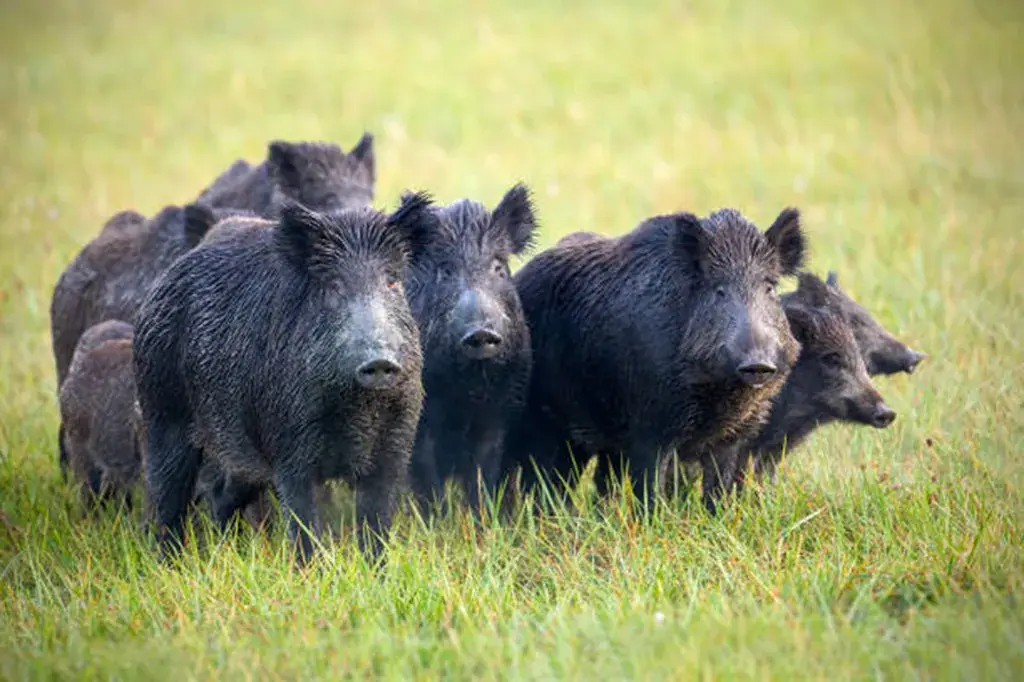
The Beninese government has taken a step towards addressing the concerns of rural communities affected by wildlife damage. The new Forest and Wildlife Code, adopted on July 23, 2026, provides for the principle of reparations for damages caused by wild animals outside protected areas. This development aims to mitigate the impact of human-wildlife conflicts, which have been a longstanding issue in the north and central regions of Benin.
The country's rural populations have long suffered from the ravages of wild animals, such as elephants and buffaloes, which can destroy crops and compromise farmers' livelihoods. In some cases, these encounters can also put people's lives at risk. According to Article 176 of the new code, victims of such damages are entitled to reparations, but the specifics of the compensation process remain to be defined by a decree yet to be issued.
While the new code provides a legal basis for reparations, it does not automatically guarantee compensation for victims. The modalities for implementing this provision, including the conditions to be met, procedures to follow, and compensation mechanisms, are still pending. This clarification is crucial to enable victims to access support and ensure that the reparations are effectively provided.
In addition to providing for reparations, the code introduces measures to address situations deemed hazardous. Article 174 allows the Minister of Water and Forests or prefects to order administrative culling after a field investigation to remove or eliminate animals considered a threat. Furthermore, Article 177 stipulates that individuals cannot be prosecuted for killing a wild animal in self-defense.
The code aims to better regulate human-wildlife conflicts, but the effectiveness of this measure depends on the forthcoming decree, which will outline the practical aspects of the reparations process. This decree is expected to clarify the procedures for victims to access compensation and ensure that the support is provided in a fair and transparent manner.
Human-wildlife conflicts are a pressing concern in Benin, particularly in areas near national parks. The new code is an attempt to address this issue and provide relief to affected communities. However, the implementation of this provision will require careful planning and coordination among relevant stakeholders, including government agencies, local communities, and conservation organizations.
The adoption of the Forest and Wildlife Code is a significant step towards mitigating human-wildlife conflicts in Benin. The code's provisions for reparations and measures to address hazardous situations demonstrate the government's commitment to addressing the concerns of rural communities. As the decree outlining the reparations process is awaited, stakeholders will be watching closely to ensure that the new code achieves its intended objectives.
Key points
- The new Forest and Wildlife Code in Benin allows for reparations for damages caused by wild animals outside protected areas.