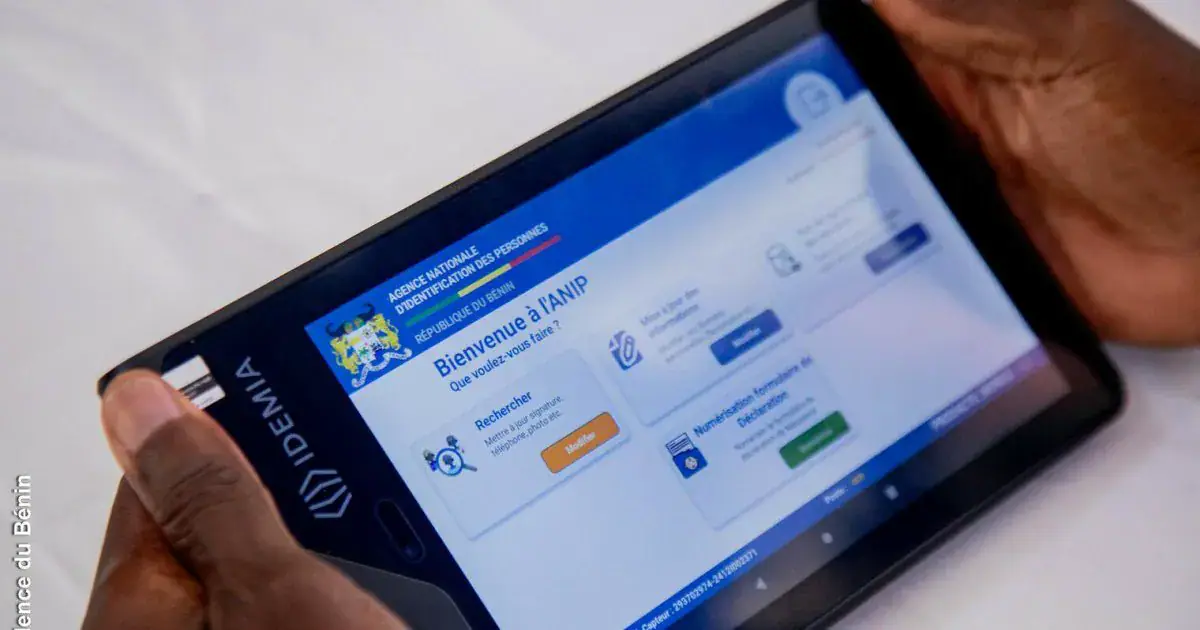
The Benin's National Identification Agency (ANIP) has initiated a special operation to provide birth certificates to children aged 0 to 13 years. This pilot program, which began on November 2, 2026, aims to reduce the number of children without a legal existence. The program was announced by ANIP's Director General, Aristide Guy Adjinacou Gnahoui, during a meeting with prefects in Pobè.
The new mechanism is based on testimony, allowing the registration of children whose births were not regularly declared to the civil registry. This initiative is part of a broader effort to modernize the civil registry and address the issue of children without birth certificates. According to ANIP, over 90% of Benin's population is now enrolled, and the agency has issued 10.5 million services in 2025, with 75% provided online or remotely.
The ANIP director general has requested the support of prefects to mobilize local elected officials and facilitate public awareness campaigns. The goal is to generalize the program nationwide by the end of November 2026. In September 2026, 50,109 people obtained their first birth certificate. This new enrollment program for children under 14 aims to continue reducing the number of unregistered births and bring identification services closer to the population.
The program is expected to benefit thousands of children who may face difficulties in administrative procedures and accessing certain rights and services without a birth certificate. The ANIP's efforts are part of a larger dynamic to improve the country's civil registry system.
According to data presented by the ANIP director, the agency has made significant progress in recent years, including the issuance of 10.5 million services in 2025. The program's success will depend on the collaboration of local authorities and the engagement of the population.
The Benin government has been working to improve the civil registry system and provide identification documents to all citizens. The ANIP's initiative is a step towards achieving this goal and ensuring that all children have access to essential services and rights.
The program's impact will be closely monitored, and its success could serve as a model for other countries in the region. The ANIP's efforts to provide birth certificates to children under 14 are a significant step towards reducing the number of unregistered births and promoting the rights of all citizens.
Key points
- The program aims to provide birth certificates to children aged 0-13 years.
- The initiative is part of a broader effort to modernize the civil registry system.
- The program is expected to benefit thousands of children who may face difficulties without a birth certificate.