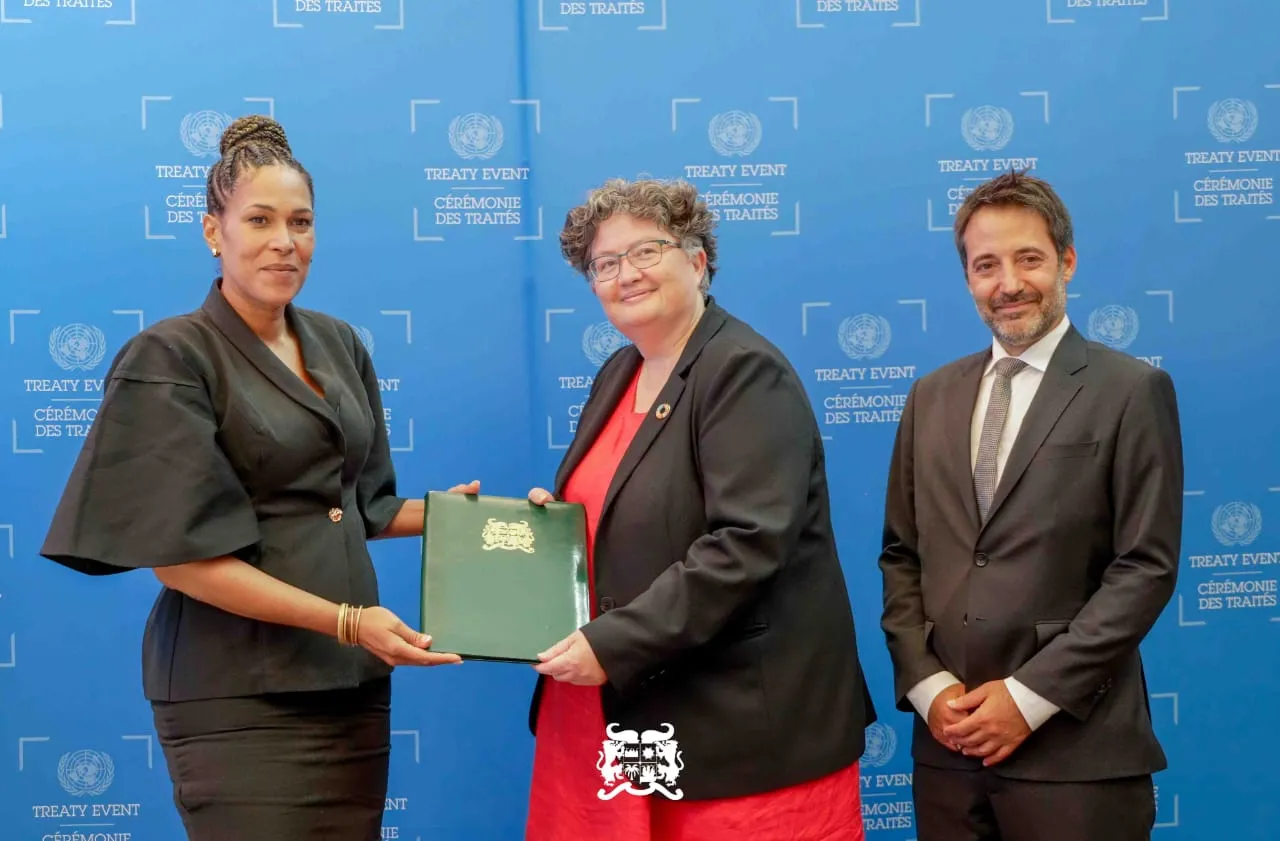
The Republic of Benin has taken a significant step towards sustainable management of its water resources by depositing its instrument of accession to the 1992 United Nations Convention on the Protection and Use of Transboundary Watercourses and International Lakes, also known as the Water Convention, on September 22 in New York. This move demonstrates Benin's commitment to concerted management of water resources and cooperation with neighboring countries. The country's decision to join the convention is expected to enhance its security, preserve water resources, and foster peace among riparian states.
Benin's accession to the Water Convention is particularly crucial given its strategic location within several shared hydrographic basins, including the Niger, Mono, Volta, and Ouémé basins. The country's participation in the convention is anticipated to open up new avenues for cooperation with neighboring countries, such as Niger, Nigeria, Togo, and Burkina Faso. By joining the convention, Benin aims to strengthen consultation mechanisms with riparian states to promote sustainable and equitable use of transboundary water resources.
The Ministry of Energy, Water, and Mines has welcomed the development, citing the support of President Romuald Wadagni and the commitment of Minister Édouard Dahome to enhancing international cooperation in the water sector. The ministry also acknowledged the contribution of Dr. Saïd Hounkponou, Director-General of Water, to the realization of Benin's accession to the convention. This move is seen as a significant step towards achieving sustainable development and regional solidarity.
Benin's decision to join the Water Convention reflects its choice in favor of dialogue and concerted management of transboundary waters, with a focus on promoting peace and regional development. The country's participation in the convention is expected to facilitate the exchange of information, data, and best practices in water management, ultimately contributing to improved water security and sustainable development.
The Water Convention, which came into force in 1996, currently has 72 member states. Benin's accession brings the total number of West African countries that have joined the convention to six, including Ghana, Mali, Niger, Senegal, and Togo. The convention provides a framework for countries to cooperate on the management of shared water resources, with a focus on promoting sustainable use, preventing pollution, and protecting ecosystems.
The Ministry of Energy, Water, and Mines has emphasized that Benin's participation in the Water Convention is a key component of its efforts to promote sustainable development and regional cooperation. The country's accession to the convention is seen as a significant step towards achieving the Sustainable Development Goals (SDGs), particularly SDG 6, which focuses on ensuring access to clean water and sanitation for all.
Benin's commitment to sustainable water management is also reflected in its national policies and strategies, which prioritize the conservation and efficient use of water resources. The country's participation in the Water Convention is expected to enhance its capacity to manage its water resources effectively, ultimately contributing to improved economic development, social well-being, and environmental sustainability.
Key points
- Benin has deposited its instrument of accession to the 1992 UN Water Convention to promote sustainable management of shared water resources.
- The country's participation in the convention is expected to enhance cooperation with neighboring countries, including Niger, Nigeria, Togo, and Burkina Faso.
- Benin's accession to the Water Convention reflects its commitment to sustainable development, regional solidarity, and peace.