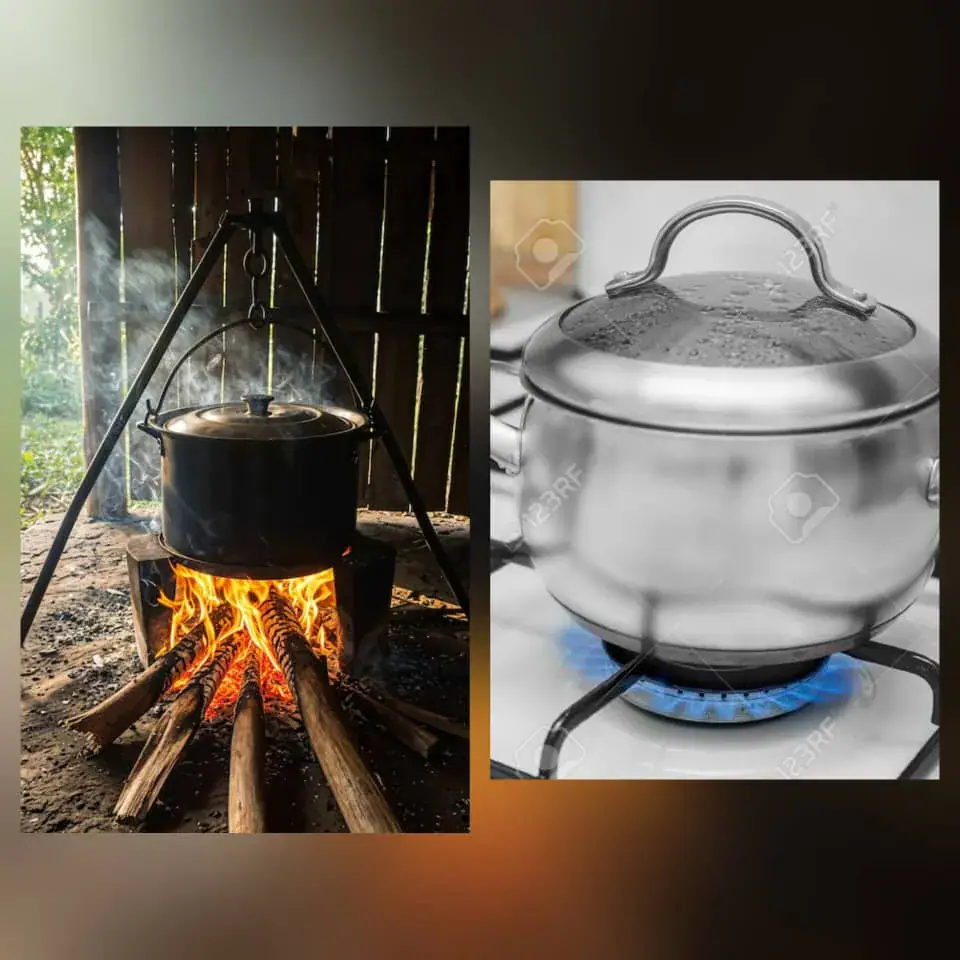
In Benin, households have traditionally relied on wood fires for cooking, but a shift towards domestic gas is underway. This change is driven by the desire for a more efficient, comfortable, and healthier cooking experience. Sylvère L., a resident, shared his experience with wood fires, highlighting the difficulties of adjusting temperatures, managing wood, and dealing with smoke and soot.
The traditional wood fire method requires a significant amount of time and effort to prepare and maintain. The intense heat and smoke often cause discomfort, and the soot and particulate matter can damage cooking utensils and surfaces. In contrast, domestic gas offers a more convenient and efficient cooking solution. With a simple rotation of the tap and a spark, gas cooktops provide instant heat and precise flame control.
The adoption of domestic gas for cooking has several benefits, including reduced air pollution and improved health outcomes. According to Sylvère L., gas cooktops eliminate the problems of smoke and soot associated with wood fires, creating a cleaner and healthier cooking environment. This transition also contributes to environmental conservation by reducing the demand for firewood and minimizing deforestation.
The shift towards domestic gas is also driven by changes in urban living and apartment designs. Modern urban apartments often have limited space and are not suitable for traditional wood fires. As a result, domestic gas has become a popular choice for cooking, offering a practical and efficient solution for households.
While domestic gas offers several benefits, its use requires careful attention to safety precautions. The risk of accidents, such as explosions and gas leaks, is a concern, particularly in households with children. To mitigate these risks, it is essential to follow safety guidelines and ensure that gas appliances are installed and maintained properly.
The transition from traditional wood fires to domestic gas in Benin reflects a broader trend towards modernization and improved living standards. As households adopt more efficient and convenient cooking solutions, they are also contributing to environmental conservation and improved health outcomes. This shift is expected to continue, driven by urbanization and changing lifestyles.
The use of domestic gas for cooking in Benin is becoming increasingly popular, with many households making the switch. This change is driven by the desire for a more efficient, comfortable, and healthier cooking experience. As the country continues to urbanize, the demand for domestic gas is likely to grow, driving further changes in the way households cook and live.
Key points
- The adoption of domestic gas for cooking in Benin has improved air quality and reduced health risks associated with traditional wood fires.